Have you ever wondered how a small electrical signal can control a much higher power circuit? The answer lies inside the power relay. A power relay is an electrical switching device that uses an electromagnetic coil to mechanically open or close contacts, enabling remote control and protection of high-current circuits. It is widely used in industrial automation, power equipment, automotive electronics, and household appliances. Power relays are key components in modern electrical control systems.
In this article, we’ll take you on a deep dive into the core parts and design principles of a power relay to help you understand how it operates stably and efficiently in various environments. Let’s start our exploration!
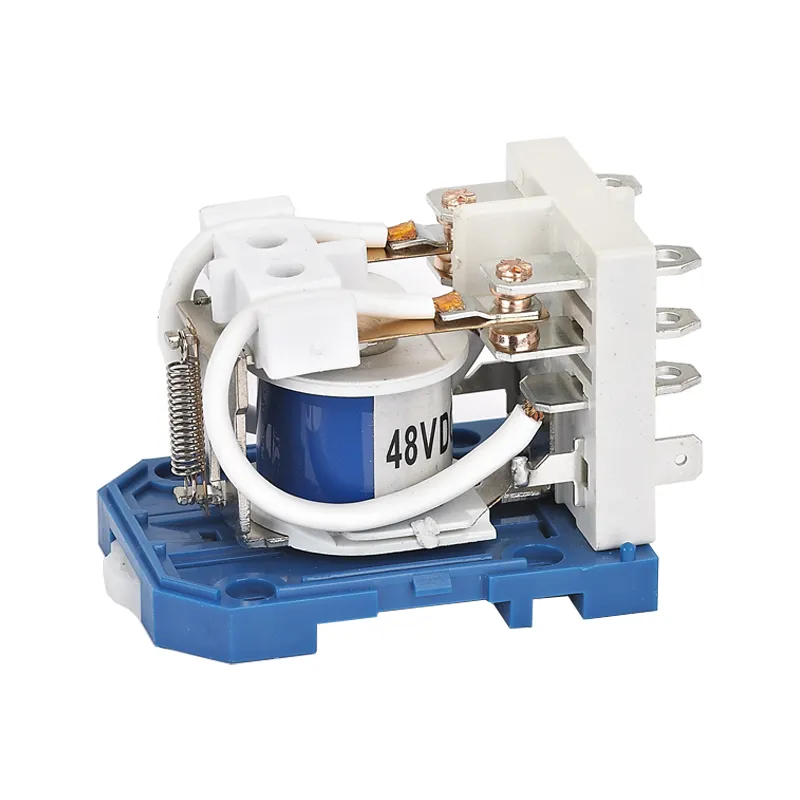
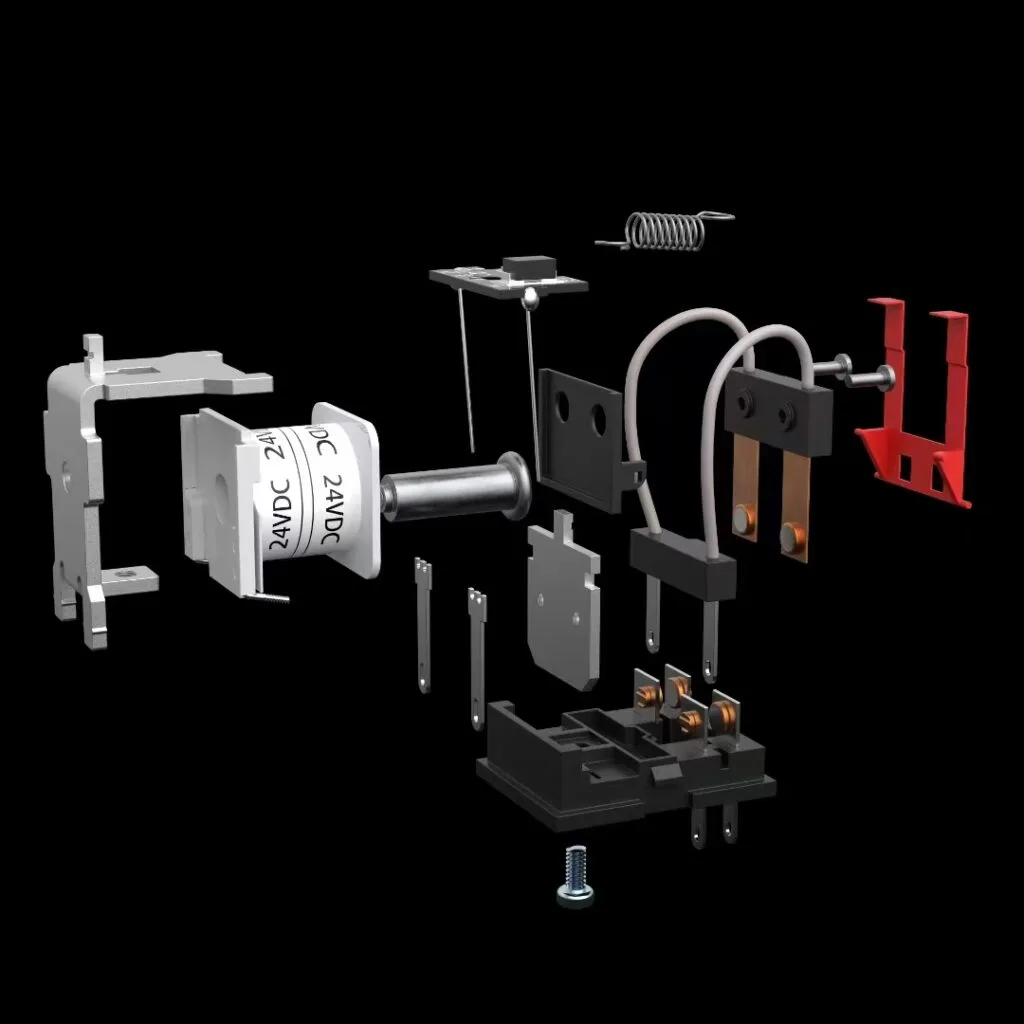
Overview of Power Relay Internal Structure
A power relay’s interior is a combination of miniature mechanical and electromagnetic systems. The table below summarizes the main components and their functions:
Component
Function
Related Keywords
Electromagnetic Coil
Generates magnetic field to drive mechanical switching
power relay coil, how relay coil works
Iron Core & Magnetic Circuit
Concentrates and enhances magnetic field, boosting response speed
power relay magnetic circuit
Contact System
Connects and disconnects electrical circuits
relay contacts, normally open relay
Armature / Movable Lever
Mechanical part moved by magnetic force to operate contacts
armature in power relay
Return Spring
Quickly resets the armature after power-off
relay return spring
Input / Control Terminals
Connect coil power and control signals
power relay terminal
Enclosure & Insulation
Protects components and insulates electrically and environmentally
industrial relay enclosure
Detailed Analysis of Key Internal Components
Let’s explore each core part and its role in relay performance.
The coil is the “engine” of the power relay. When energized, it produces a magnetic field that attracts the armature, causing the contacts to open or close. Coil material and winding count directly affect response time and power consumption.
Feature
Description
Material
Fine copper wire for good conductivity
Voltage Range
Typically 5V to 220V depending on application
Power Consumption
Impacts efficiency and heat generation
Function
Converts electrical signals into magnetic force
Think of the coil as the command center, commanding a magnetic army to act swiftly and precisely.
2. Iron Core & Magnetic Circuit
The core is made of high-permeability materials like silicon steel sheets. It focuses the coil’s magnetic field so the armature can quickly be pulled, improving relay speed and stability.
Parameter
Effect
Core Material
High magnetic permeability, reduces energy loss
Magnetic Circuit
Controls magnetic flux for precise operation
Interference Resistance
Shields against external magnetic fields
3. Contact System
Contacts handle the direct switching of electrical current. Typically, there are Normally Open (NO) and Normally Closed (NC) contacts. Silver alloy is the preferred material because of its excellent conductivity and wear resistance. Contact quality directly affects relay lifespan and maximum load current.
Contact Type
Function
Material
Durability
Normally Open
Circuit open at rest, closes when energized
Silver alloy
High, suitable for heavy loads
Normally Closed
Circuit closed at rest, opens when energized
Silver alloy
High, prevents welding
Contacts are the relay’s “switch hands” — their quality is essential for safety and reliability.
4. Armature / Movable Lever
The armature is the mechanical part moved by the coil’s magnetic field to actuate contacts. Its weight and stability affect the relay’s responsiveness and accuracy. Lightweight yet durable materials are preferred.
Aspect
Description
Material
Iron or special alloys
Weight
Light for quicker response
Mechanical Life
Must endure frequent switching
5. Return Spring
This spring resets the armature promptly after coil power is off, ensuring consistent operation. Its tension is critical—too weak or stiff impacts response and reliability.
6. Input / Control Terminals
The relay’s “nerve connections” that link power and control signals to the coil. Good terminal design ensures signal integrity and easy installation.
7. Enclosure & Insulation
The enclosure protects against mechanical damage and environmental factors like moisture and dust. Modern industrial relays feature dustproof, moisture-proof, and heat-resistant cases.
Tailored solutions
Explore our expert power relay guides and get in touch for custom product recommendations. Let’s power up your projects together!
Common Auxiliary Components in Power Relay Modules
Beyond core parts, auxiliary components also play vital roles:
Component
Function
Driver Transistor
Amplifies control signal to switch the coil
Flyback (Freewheeling) Diode
Protects components from voltage spikes when coil switches off
Resistors & Capacitors
Reduce electromagnetic interference, stabilize circuits
LED Indicator
Shows relay activation status for easy monitoring
These elements ensure the module operates safely and efficiently as a whole.
How Internal Parts Affect Relay Performance
Internal parts directly influence key performance metrics: reliability, lifespan, response speed, and voltage endurance.
Performance Metric
Affected By
Reliability
Contact materials and mechanical parts
Lifespan
Contact wear resistance, spring strength
Response Speed
Coil design and magnetic circuit structure
Voltage Endurance
Insulation and enclosure materials
Understanding these details helps you choose high-performance power relays suitable for your needs.
Advanced and Innovative Power Relay Designs
With evolving technology, relay offer new features:
Miniaturization: Smaller size for easy integration
High current capacity: Suited for heavy-duty applications
Energy-efficient design: Optimized coil structures to reduce power loss
Smart monitoring: Built-in sensors to detect status and prevent faults
Innovation
Benefit
Miniaturization
Saves space, better for automated systems
High Current Load
Durable and reliable under heavy loads
Energy Saving
Lower operating costs and less heat
Smart Monitoring
Increases safety, reduces unexpected downtime
Choosing the right power relay protects your projects. After reading this, you should have a solid understanding of relay internal structures and components. Whether for industrial automation or heavy-load power switching, knowing these basics helps you pick the best fit.
If you are looking for reliable relay, contact us for customized solutions that make your equipment safer and more efficient!
FAQ
Why do power relays fail?
Mainly due to contact wear, coil overheating, or mechanical jamming.
How to choose a power relay?
Consider load current, voltage, environment, and response speed requirements.
Looking for a reliable solution to manage your vehicle’s electrical system? The ECM power relay is a key component in modern automotive and industrial applications, ensuring efficient power delivery and control. Whether you’re sourcing parts for fleet maintenance, automotive repair, or industrial automation, understanding the role and benefits of ECM power relays can help you make smarter […]
What is a Miniature Relay? A miniature relay is a small electromagnetic device designed to control circuit switches, allowing low-power signals to manage high-power loads. Unlike traditional relays, these devices are compact and lightweight, making them indispensable in modern electronics. With the growing demand for miniaturized and integrated systems, miniature relay have become critical components […]
Schneider Electric Company type: Multinational electrical and automation company Basic information: Schneider Electric is a global leading provider of energy management and automation solutions headquartered in France and founded in 1836. The company focuses on providing efficient electrical equipment, automated control systems and energy management solutions, and is committed to promoting sustainable development and digital […]
We use cookies to enhance your browsing experience, serve personalised ads or content, and analyse our traffic. By clicking "Accept All", you consent to our use of cookies.
Get a Free Quote
Your email information is completely secure and will not be disclosed to third parties for any reason.
Interested In Our Relay Products?
Get the latest product brochures and technical data.