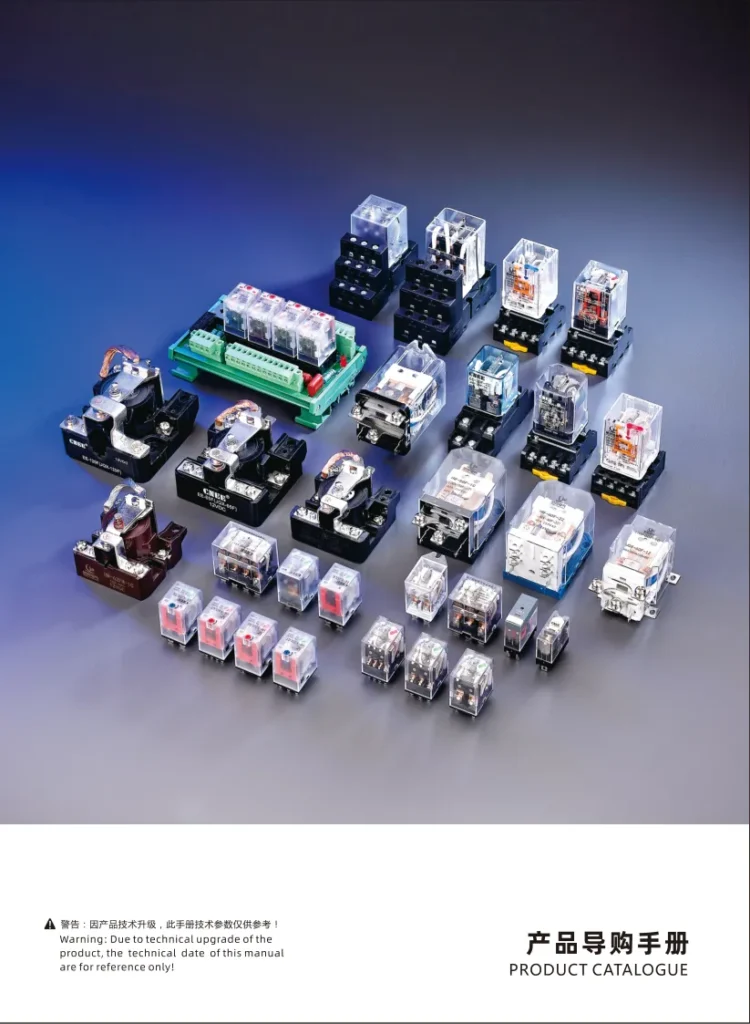
Have you ever wondered what kind of “switch” behind large and complex industrial equipment makes motors start smoothly and machines stop safely? The answer is the power relay. Although power relays seem inconspicuous, they play a critical role in ensuring industrial automation systems run smoothly and efficiently.
In this article, we will take you deep into understanding what a power relay is, how it works, what its key components are, and where it is commonly applied. More importantly, we will show you how to select the best relay for your factory’s needs. Even if you are not an electrical expert, you will find everything easy to understand!
If you are a manufacturer or a procurement manager, this guide will help you save time and effort in finding the optimal solution. Don’t forget to check the custom service and purchasing advice at the end!
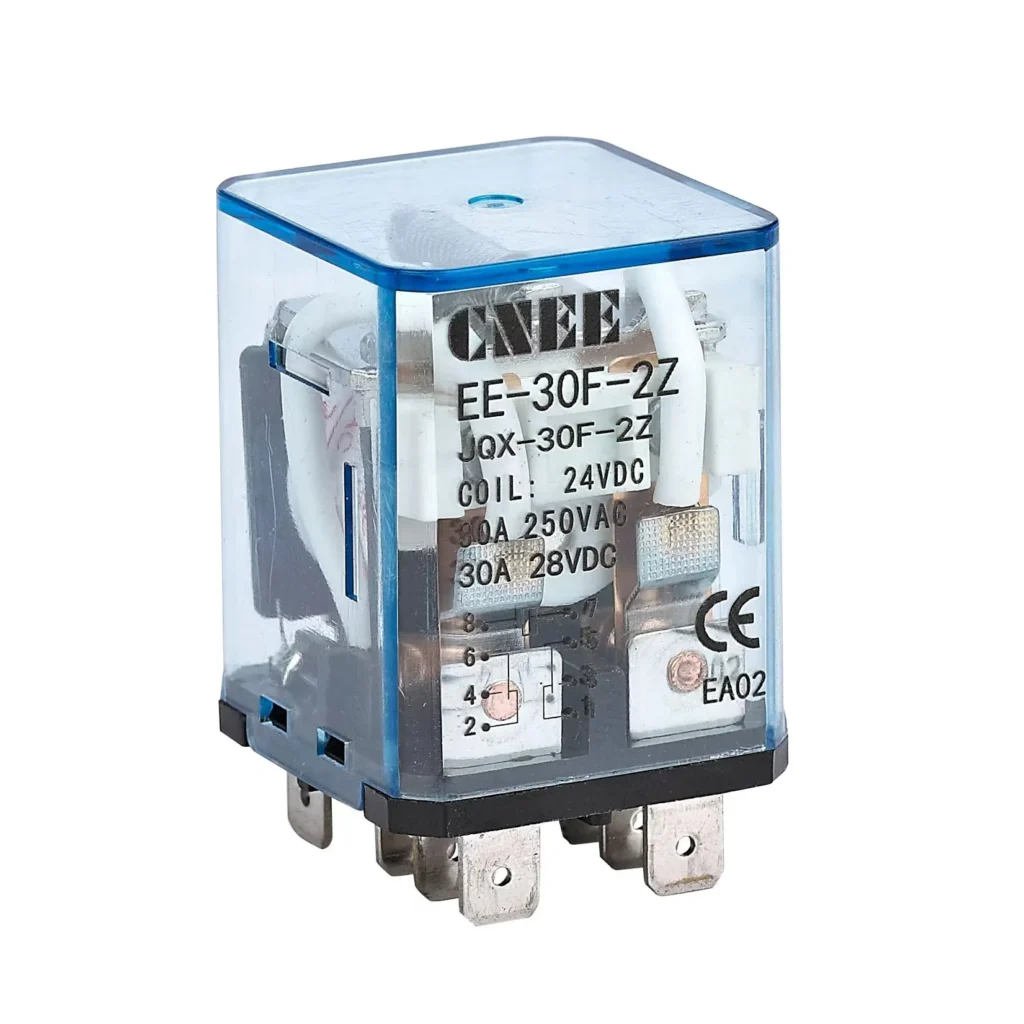
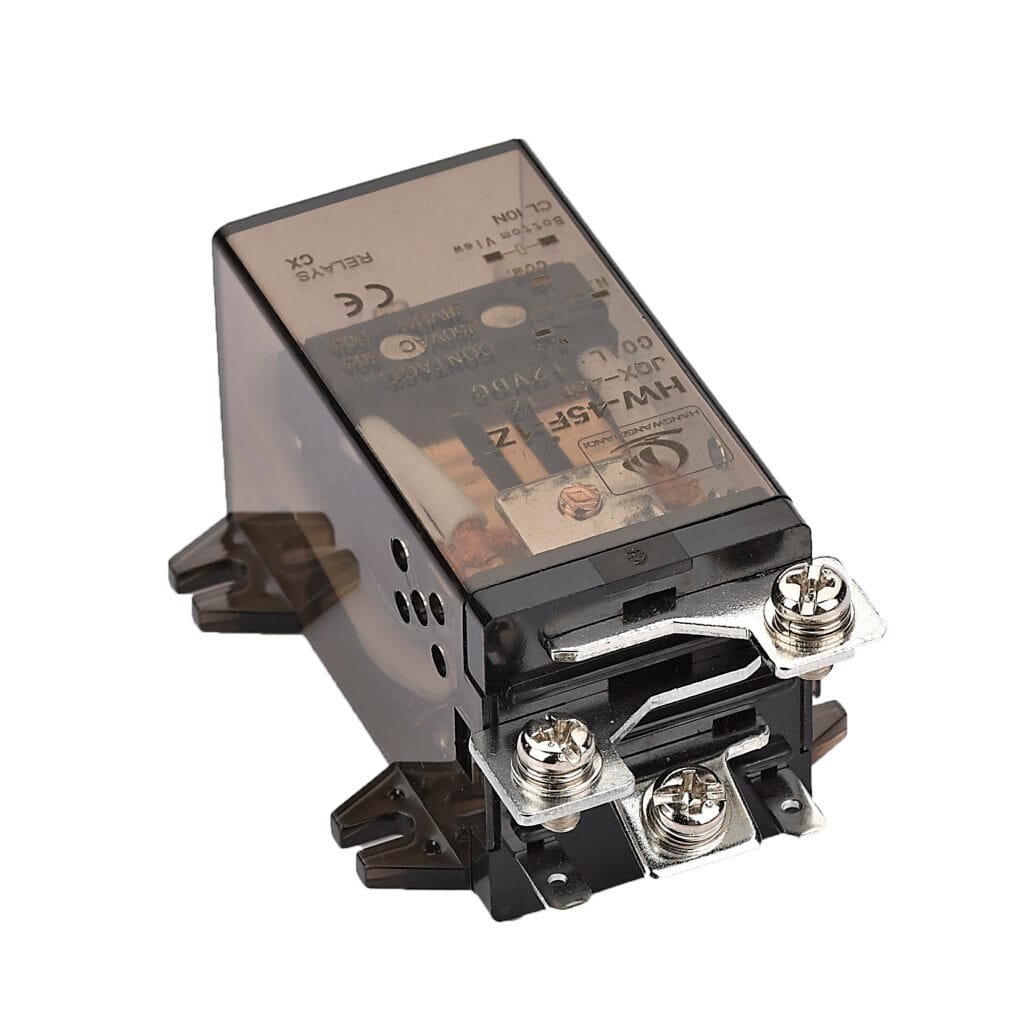
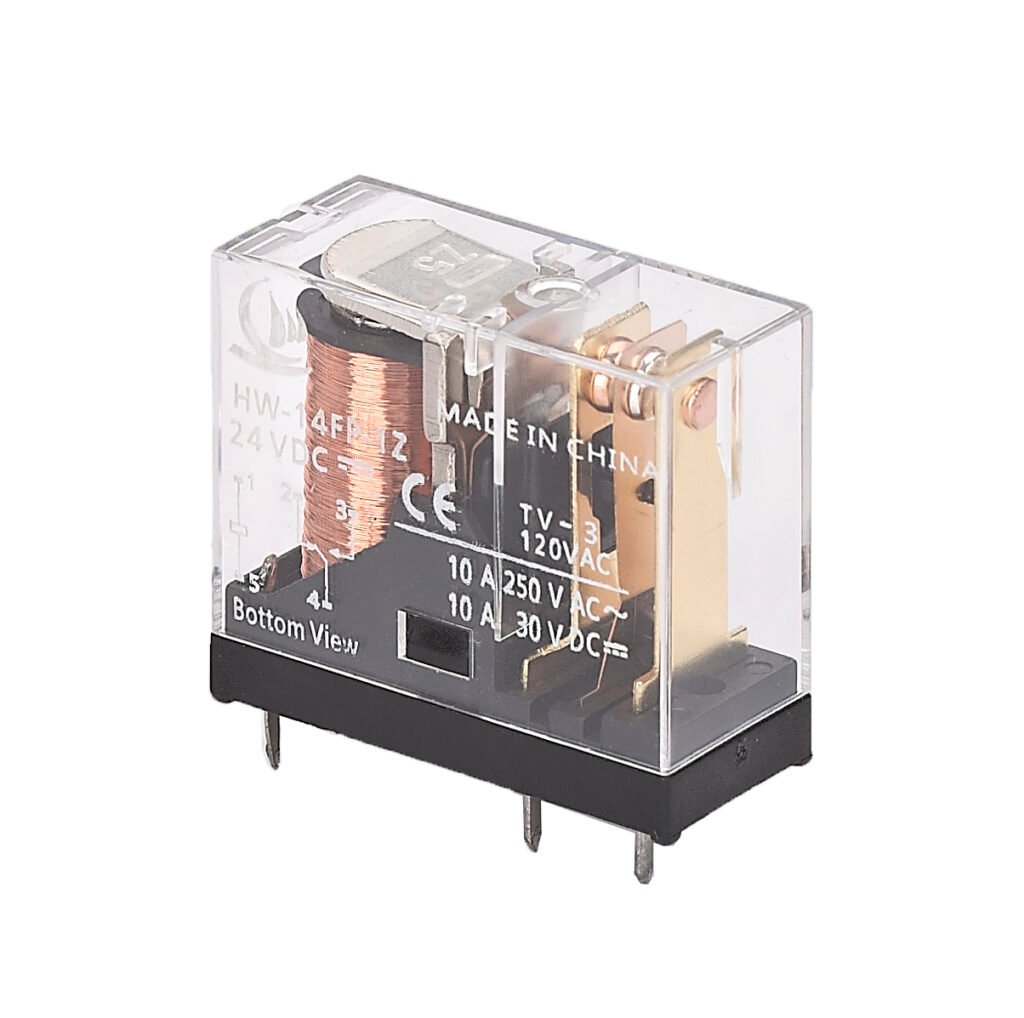
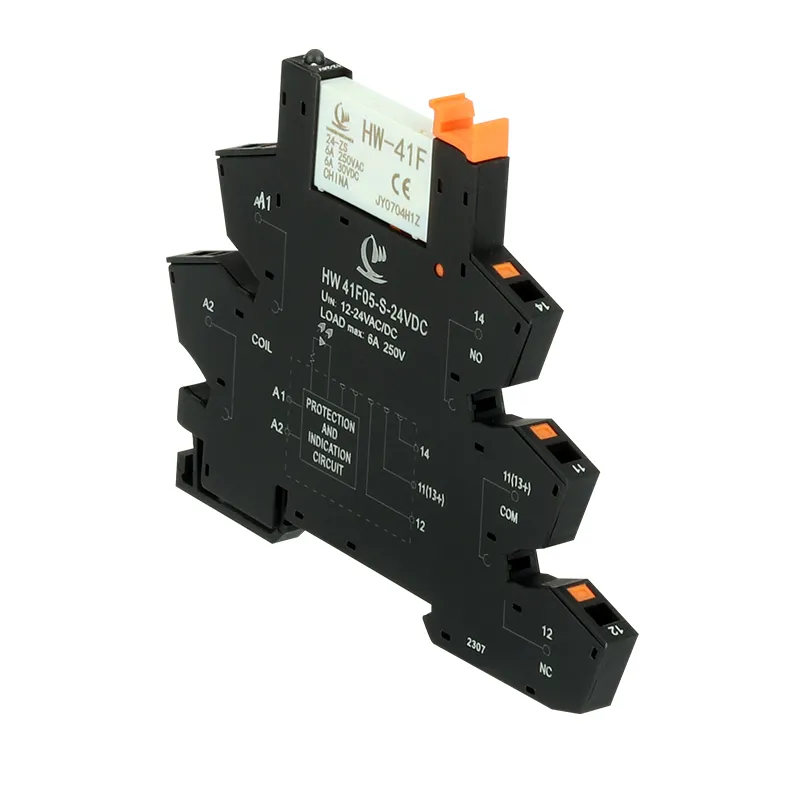
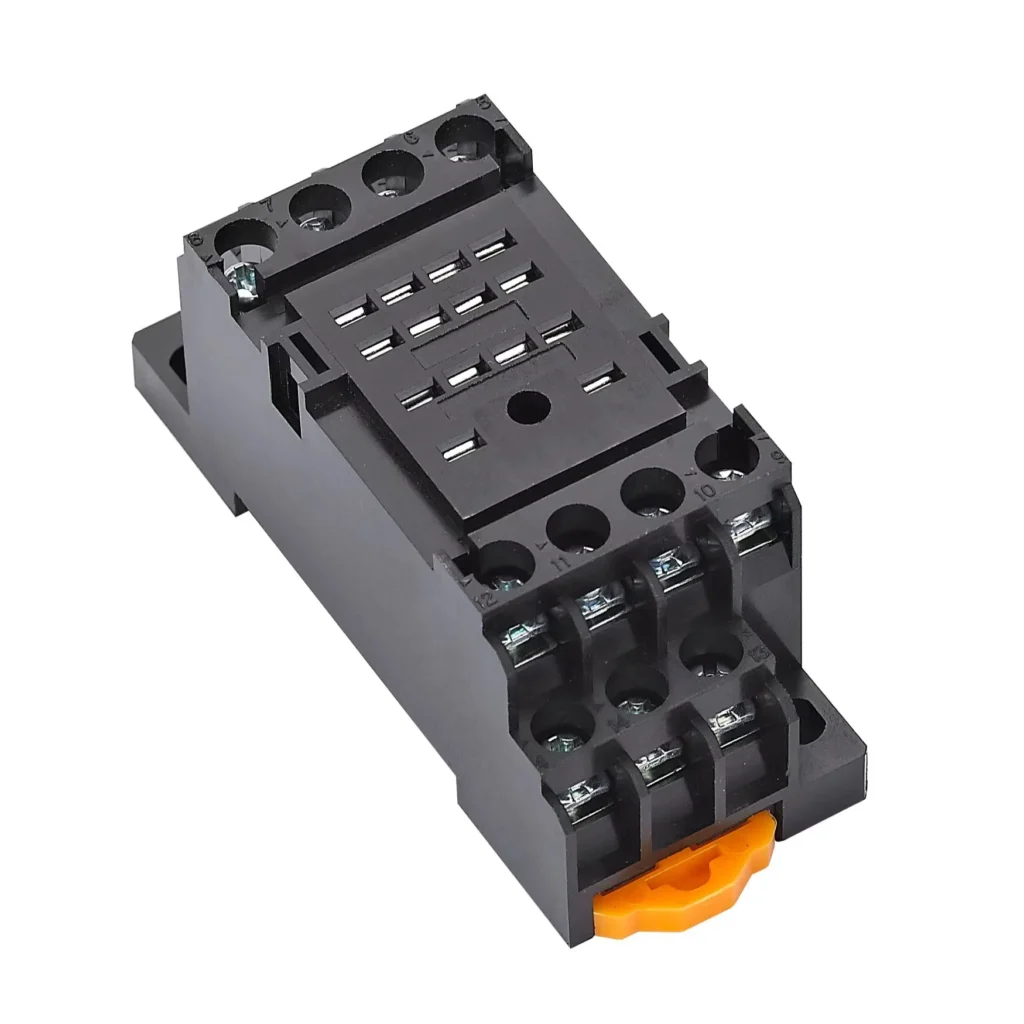
Simply put, a power relay is a switch device that can control high-current circuits by using a small control current. It accepts a low-voltage control signal through a coil, which then drives internal mechanical or electronic contacts to switch high-power loads.
How Does a Power Relay Work?
Imagine a power relay as a “remote switch” in the circuit. When the coil is energized, it generates a magnetic field that attracts the internal contacts, closing the circuit. When de-energized, springs or gravity help the contacts open, breaking the circuit.
The operation is straightforward:
Control signal input: A low-power current activates the relay coil.
Magnetic field generation: The coil produces magnetic force that moves the contacts.
Contact response: Contacts close or open the high-current load circuit.
Reset: When power is cut off, the spring restores the contacts to their original position.
Operation Stage
Description
Control signal input
Coil is energized, generating a magnetic field
Contact action
Switches the load circuit on or off
Reset
Coil power off, contacts return to default state
Main Components
Knowing the parts helps you better evaluate relay performance and lifespan.
Coil: Receives control current; the relay’s “engine”.
Contacts: Makes or breaks the power circuit, affecting switching quality and durability.
Spring: Holds and returns contacts to their original position.
Housing: Protects internal parts; essential for dust, moisture resistance, and insulation.
Power Relay are indispensable components in industrial manufacturing, mainly:
Motor control: Start, stop, and reverse motors to support automated production lines.
Safety protection: Quickly cut off power during overload or faults, protecting equipment and personnel.
Load switching: Control heaters, fans, pumps, precisely regulating production processes.
Automation control systems: Critical actuators for PLCs and other control systems, enabling efficient automation.
Industry Sector
Application Examples
Machinery
Industrial robots, machine tool motor control
HVAC
Compressor, fan, and heater control
Power Automation
Substations, protective circuit switches
Home Appliances
Motor control in washing machines, refrigerators
Discover the perfect power relay for your industrial need
We specialize in manufacturing various relays, offer customizations, and quick delivery. Send your inquiry now and let’s build a stable, reliable automation solution together!
High-frequency switching and noise-sensitive environments
Selection Tips:
Define your load current and voltage requirements first.
Decide if you need quick response or quiet operation.
Balance budget versus long-term maintenance costs. SSRs are recommended for long-term use.
Common Power Relay Applications
Application Scenario
Description
Motor Control
Starting, stopping, reversing motors
Heavy Equipment
Industrial casting machines, conveyors, cutters
Safety Systems
Emergency power cut-off, automatic fault shutdown
Automation Modules
Integrated with PLCs for precise process control
HVAC Systems
Controlling compressors, fans, heating elements
Key Parameters to Consider When Choosing
Check these specs carefully when buying:
Parameter
Meaning
Suggestion
Voltage Rating
Max voltage coil and contacts can handle
Should exceed working voltage with margin
Current Capacity
Max current contacts can carry
Should meet or exceed load max current
Contact Type
Normally Open (NO), Normally Closed (NC)
Choose according to circuit needs
Manufacturer & Certification
Quality assurance and certification
Select reputable suppliers with certifications
Latest Trends and Innovations
Power Relay technology is evolving toward better performance, energy savings, and smarter features:
Higher current capacity: Support for bigger loads as devices upgrade.
Energy-efficient materials & design: Lower power consumption, higher efficiency.
Smart relays: Embedded communications for remote monitoring, Industry 4.0 compatibility.
Modular customization: Tailored to industry-specific needs, faster response to market changes.
These innovations make factory equipment smarter, more reliable, and help save energy and maintenance costs.
Though small, power relay are the unsung heroes of modern industrial automation. Choosing the right relay ensures safe, efficient operation and helps avoid downtime — boosting product competitiveness.
Planning to upgrade your equipment or expand your production line? We specialize in manufacturing various relays, offer customizations, and quick delivery. Send your inquiry now and let’s build a stable, reliable automation solution together!
FAQ
Q1: How to test if a power relay is working properly?
Use a multimeter to check coil resistance for continuity; energize and observe whether contacts actuate properly; specialized testers can measure contact resistance and switching times.
Q2: What are common relay faults?
Contact erosion, weak relay pull-in, coil open or short circuit.
Q3: Where can I buy reliable industrial power relays?
Choose suppliers with certifications and experience. We welcome you to contact us at our website (https://hwrelay.com/) for custom solutions and bulk orders, guaranteed quality and professional support.
A Power Relay is a critical electrical device that acts as a switch, allowing a low-power circuit to control a high-power circuit safely and efficiently. Think of it as a middleman that controls heavy machinery or electrical loads without needing you to manually flip a switch every time. Power relays are extensively used in industrial […]
Learn how to evaluate a power relay manufacturer, compare relay types, understand pricing factors, and choose the right relay for OEM, export, and industrial sourcing projects.
Relays utilize different types of Relay Contacts to control circuits based on specific conditions. The main contact types include Conversion Type, Normally-ON Type, and Normally-OFF Type. Here’s a detailed explanation of each: Description of contact forms: Type Default State Energized State Relay contact structure Conversion Type C to NC connected C switches to NO Normally-ON […]
We use cookies to enhance your browsing experience, serve personalised ads or content, and analyse our traffic. By clicking "Accept All", you consent to our use of cookies.
Get a Free Quote
Your email information is completely secure and will not be disclosed to third parties for any reason.
Interested In Our Relay Products?
Get the latest product brochures and technical data.