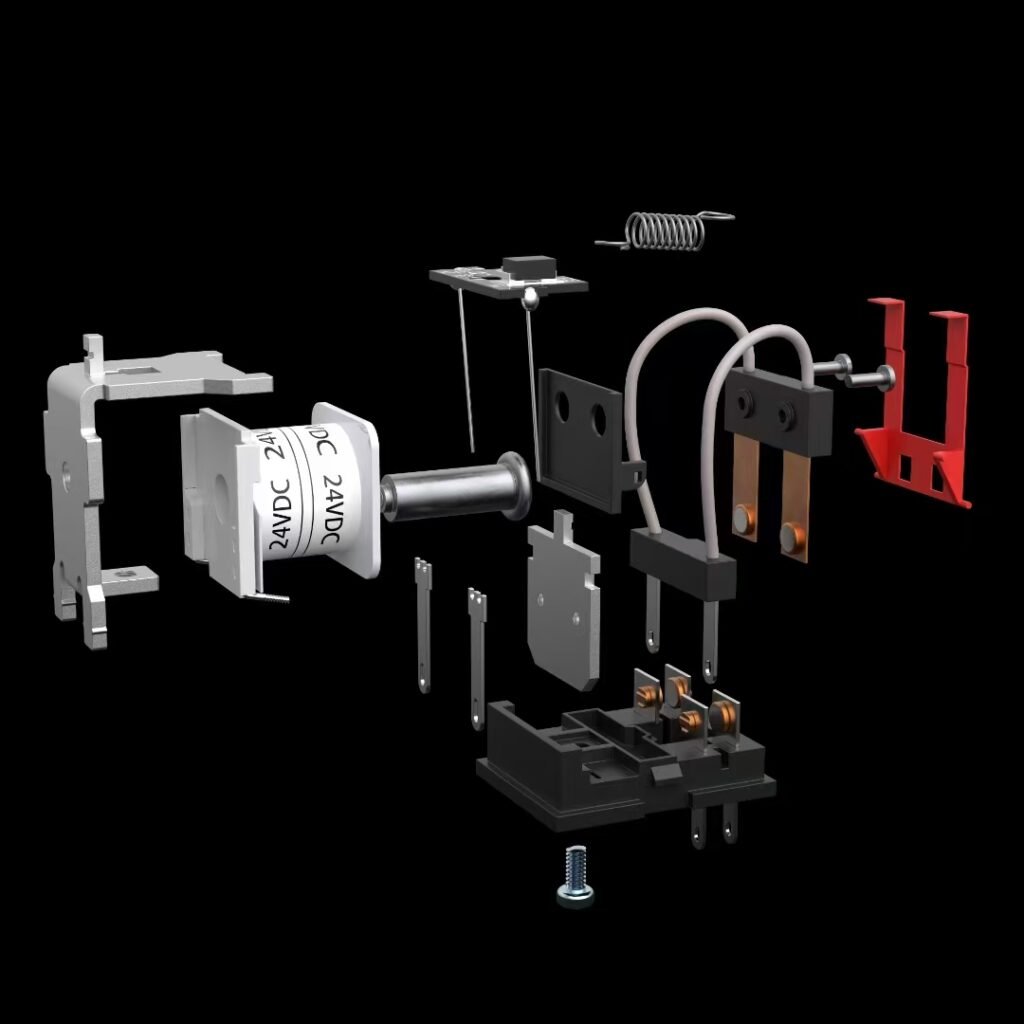
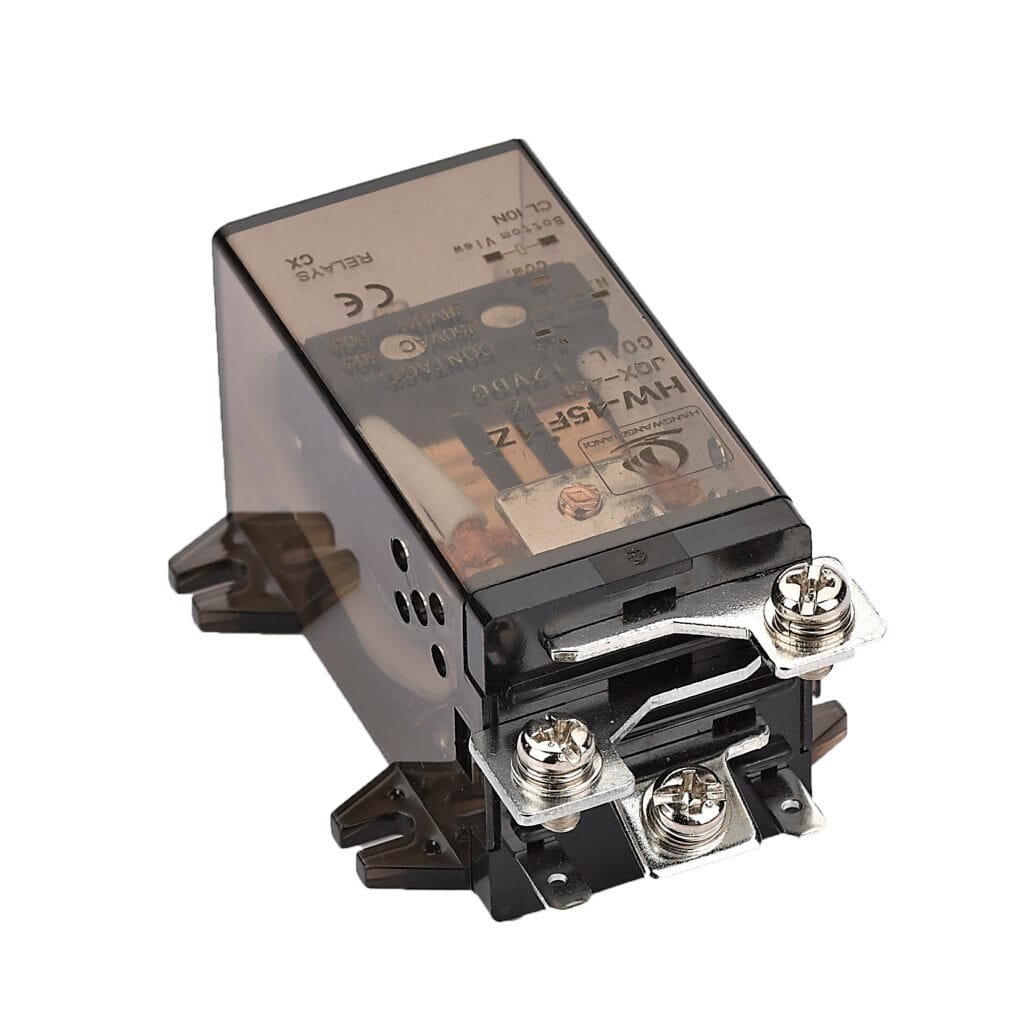
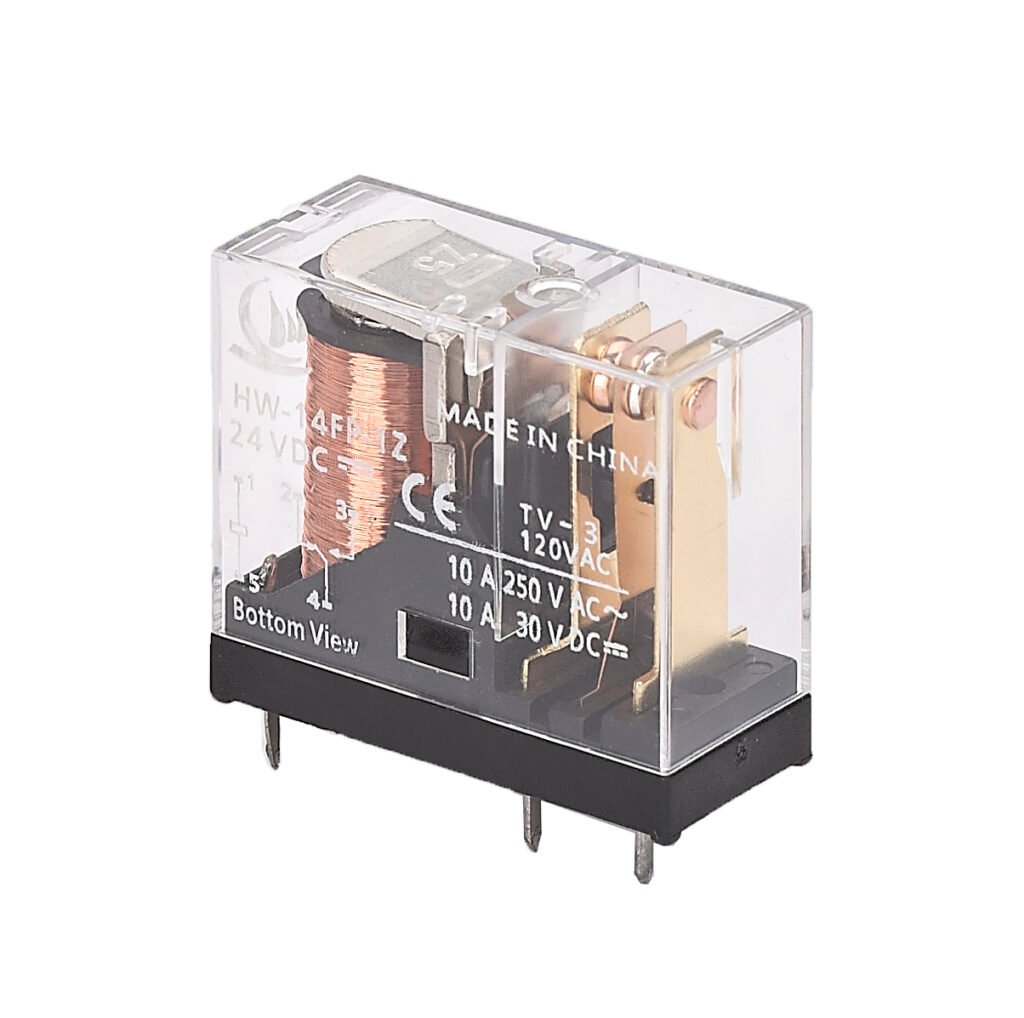
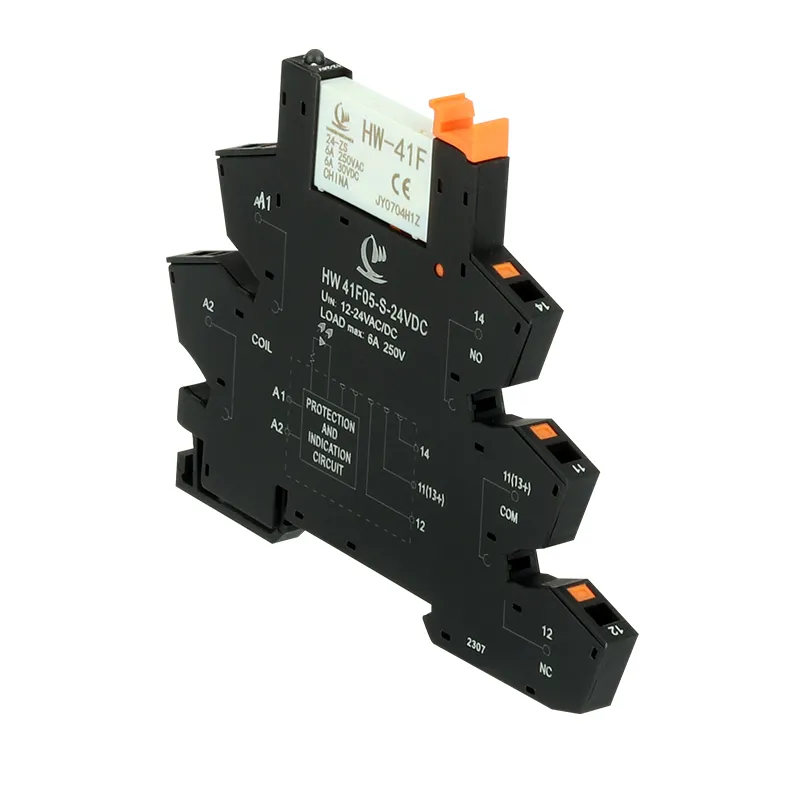
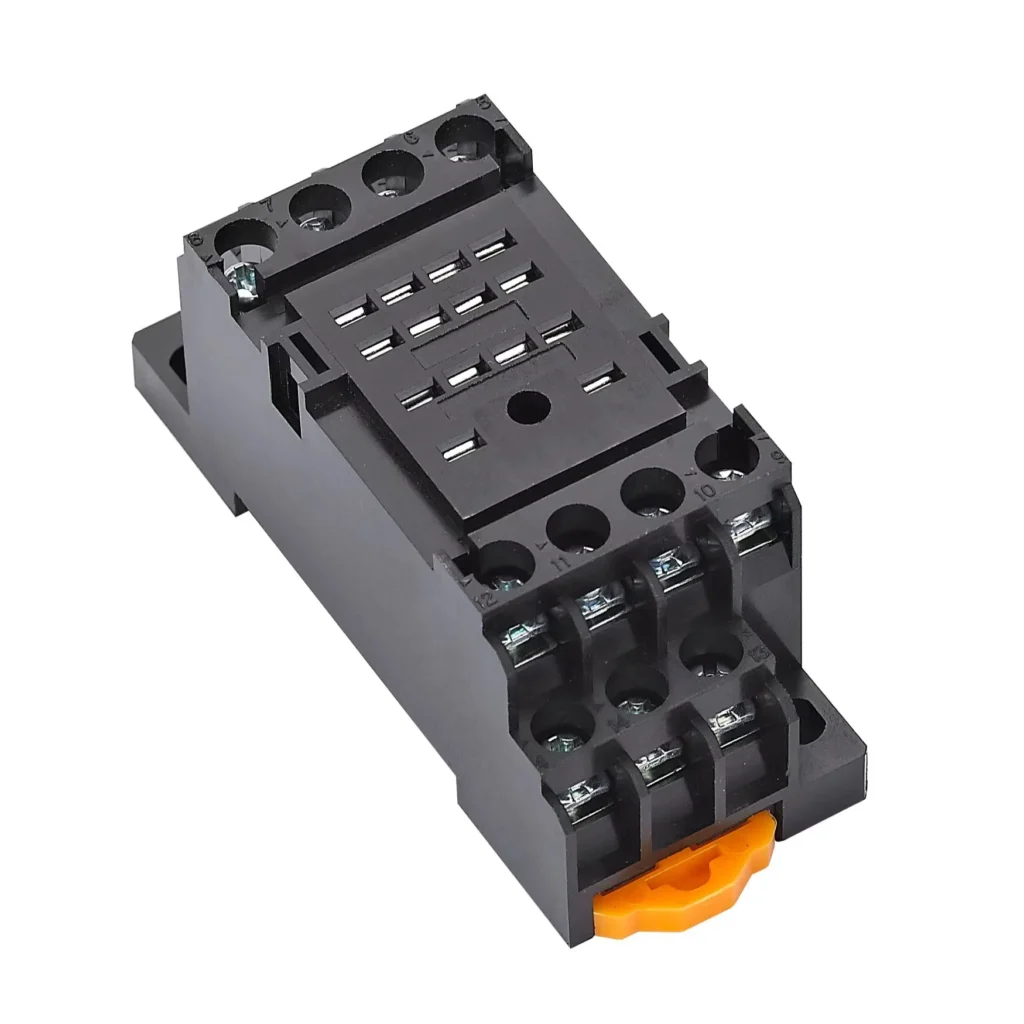
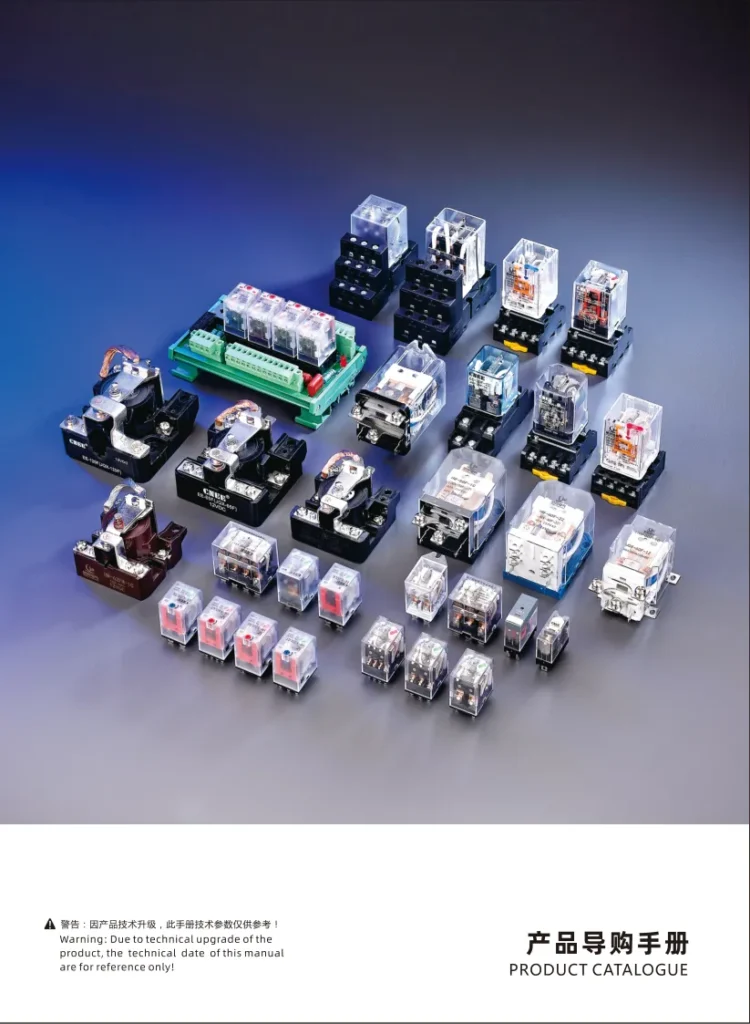
An automotive electromagnetic relay is an electromechanical switch that uses electromagnetic induction to control electrical circuits. At its core, a relay consists of several key components: a coil, an iron core, an armature (or lever), and contacts. When an electric current flows through the coil, it generates a magnetic field that attracts the armature, causing it to move and either open or close the contacts. This action allows the relay to control a larger electrical load with a smaller control signal, making it essential for various applications in modern vehicles.
Relays are crucial in automotive systems because they enable the management of high-power devices such as lights, motors, and heating elements without requiring large switches or direct human intervention. Their design allows for safe operation and efficient control of multiple electrical circuits from a single point.
The Role of Automotive Electromagnetic Relays
The primary function of automotive electromagnetic relays is to act as a switch that can control high-current circuits using low-current signals. This capability is particularly important in vehicles where space and safety are paramount. Here are some key roles they play:
Circuit Isolation: Relays provide isolation between high-voltage and low-voltage circuits, enhancing the safety of the vehicle’s electrical system.
Automated Control: They enable automated functions, such as turning on headlights when it gets dark or activating windshield wipers during rain.
Load Management: By controlling high-power components like fuel pumps and starter motors, relays help manage the overall electrical load on the vehicle’s battery and alternator.
Advantages and Disadvantages
Advantages
High Safety: By isolating high-voltage components from low-voltage controls, relays reduce the risk of short circuits and electrical fires.
Flexible Control: Relays allow small control signals to manage large loads, making them suitable for various applications.
Reliability: Well-designed relays can operate for many years with minimal failure rates, providing consistent performance.
Disadvantages
Mechanical Wear: Since relays rely on moving parts (contacts), they can suffer from wear over time, leading to potential failures.
Slower Response Time: Compared to solid-state relays, electromagnetic relays can have slower switching times due to their mechanical nature.
Size Constraints: Traditional electromagnetic relays can be bulkier than other types of switches, which may pose challenges in compact automotive designs.
Key Components of Automotive Electromagnetic Relays
Understanding the components of an automotive relay helps appreciate its functionality:
Coil: The coil is responsible for generating a magnetic field when energized. It is typically made of copper wire wound around a core.
Iron Core: The iron core enhances the magnetic field strength produced by the coil, allowing for more efficient operation.
Armature: This movable part acts as a lever that opens or closes the contacts when attracted by the magnetic field.
Contact System: The contact system includes normally open (NO) and normally closed (NC) contacts that dictate whether the circuit is completed or interrupted.
These components work together seamlessly to ensure that the relay performs its intended function effectively.
Application Examples of Automotive Electromagnetic Relays
Automotive electromagnetic relays are utilized in various systems within vehicles. Here are some specific examples:
Ignition Systems: In ignition systems, relays control the ignition coil’s operation, ensuring that the engine starts reliably and efficiently.
Lighting Systems: Relays manage power to headlights, taillights, and turn signals, protecting wiring from overloads and allowing for more complex lighting functions (like automatic headlights).
Window and Mirror Adjustments: Relays facilitate electric window lifts and power mirror adjustments by controlling motors with minimal effort from the driver.
Alarm Systems: Time-delay relays are often used in alarm systems to activate warning signals after a set period, providing time for users to disarm their systems.
These applications illustrate how automotive electromagnetic relays enhance vehicle functionality by improving safety, efficiency, and convenience in everyday driving scenarios.
Looking for a reliable solution to manage your vehicle’s electrical system? The ECM power relay is a key component in modern automotive and industrial applications, ensuring efficient power delivery and control. Whether you’re sourcing parts for fleet maintenance, automotive repair, or industrial automation, understanding the role and benefits of ECM power relays can help you make smarter […]
Relay symbols are the cornerstone of electrical engineering, the universal language for designing, troubleshooting, and maintaining electrical systems.
A Power Relay is a critical electrical device that acts as a switch, allowing a low-power circuit to control a high-power circuit safely and efficiently. Think of it as a middleman that controls heavy machinery or electrical loads without needing you to manually flip a switch every time. Power relays are extensively used in industrial […]
We use cookies to enhance your browsing experience, serve personalised ads or content, and analyse our traffic. By clicking "Accept All", you consent to our use of cookies.
Get a Free Quote
Your email information is completely secure and will not be disclosed to third parties for any reason.
Interested In Our Relay Products?
Get the latest product brochures and technical data.