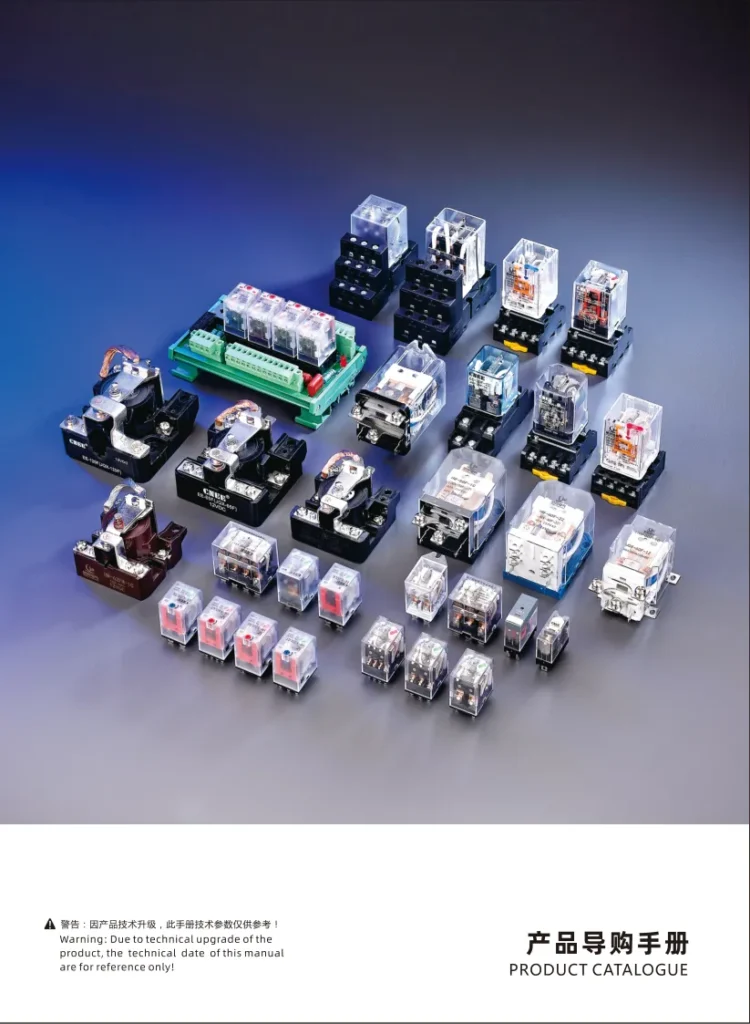
Choosing between a 30A, 40A, and 50A power relay is not a simple matter of picking the biggest number. A power relay is an electrically operated switch, but in real B2B projects the current class must match the load type, switching duty, coil supply, and installation context, or the result can be excessive contact stress, unnecessary cost, or a relay that does not fit the control design you actually need.
For buyers searching for a Power Relay factory, the real question is broader than “Which relay is stronger?” A factory-level decision usually involves current range coverage, socket and accessory support, export capability, OEM or ODM flexibility, and whether the supplier can support industrial automation, machine tools, power systems, communications equipment, and other application-driven requirements in volume procurement.
This article helps you compare 30A, 40A, and 50A selection logic, understand where a high power relay differs from a low power relay or miniature power relay, and identify what should be confirmed before sending an RFQ to a manufacturer, supplier, Power Relay Factory in China.
What 30A, 40A, and 50A Really Mean
A power relay switch is defined by more than its printed current rating. The practical selection result also depends on contact form, coil voltage, load category, and whether the relay will switch AC or DC in an industrial control system.
In market terms, 30A, 40A, and 50A are best understood as current classes rather than universal guarantees. A 40A relay, for example, can be listed around 40A at 28VDC or 250VAC in one series, but the correct use still depends on the contact design and the actual circuit conditions rather than the number alone.
A 30A class relay is often a sensible fit when the load is known and the switching condition is relatively controlled. General-purpose 30A relay families are commonly associated with equipment such as heaters, compressors, and similar machine-side loads, which makes them a common starting point for Power Relay Factory industrial OEM and replacement sourcing.
A 40A class relay usually enters the discussion when the buyer wants more switching margin or expects a heavier duty profile than a standard 30A application. That does not automatically make 40A the better choice, because higher capacity can also bring a different footprint, different coil characteristics, and different cost implications.
A 50A class relay should usually be treated as a higher-capacity option for loads that demand more continuous current headroom or more conservative allowance around starting conditions. The important point is that a 50A label still does not remove the need to check duty cycle, load behavior, coil supply, and thermal conditions at the application level.
Current class
Best fit
What it usually solves
What buyers should still check
30A
Standard machine loads, heaters, compressors, and controlled switching duties
Good balance of capacity, availability, and common industrial use
Inrush current, contact form, coil voltage, and socket compatibility
40A
Heavier AC or DC switching conditions that need more margin than a typical 30A class relay
Higher rated switching capacity in the same decision framework
Size, coil power, heat, and whether the extra rating is actually necessary
50A
Higher-capacity applications where 30A or 40A margin may be too tight
More current headroom when the load profile truly justifies it
Panel space, duty cycle, and whether the circuit should use a different relay architecture altogether
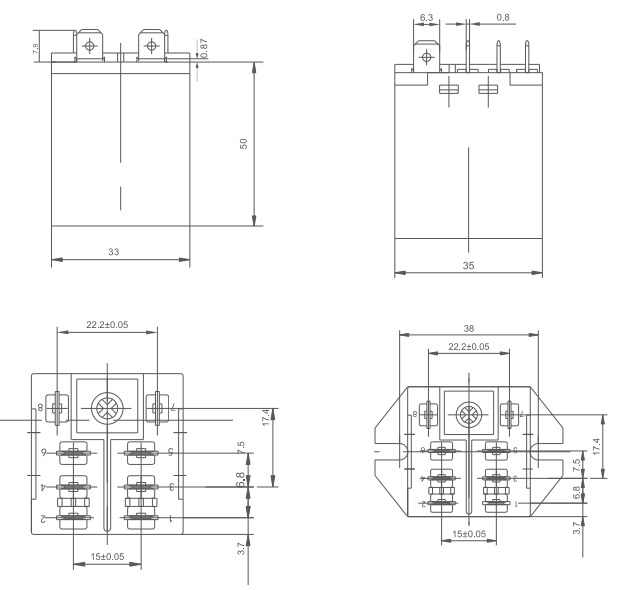
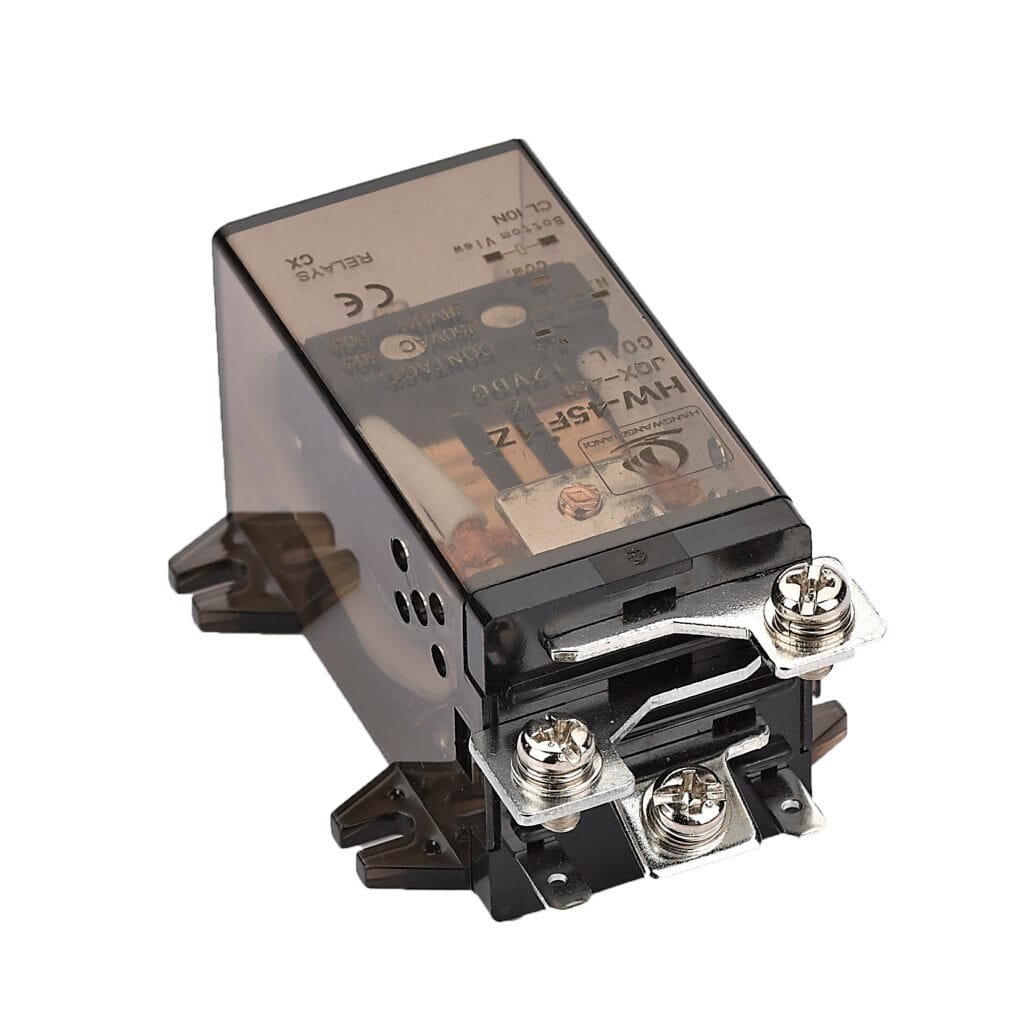
For a concrete 30A reference, a model such as HW-30F-2Z is useful because this current class is commonly discussed with multiple coil options and socket-related configurations in the broader JQX-30F style market, which helps buyers compare structure, contact arrangement, and mounting expectations before moving to larger current classes.
Which Rating Fits Your Load
If your equipment uses a stable resistive load and the control environment is straightforward, 30A is often enough. This is why 30A class power relays appear so often in heating, compressor, and general equipment switching discussions rather than only in niche high-current systems.
If the application includes stronger start-up demand, more frequent switching, or a need for more operating margin, HW-45F Power Relay becomes a more conservative option. In practice, this can matter in industrial automation, machine control, or power-control assemblies where the load behavior is harder to predict from nameplate current alone.
If the project team is comparing 50A, the better question is not “Can it switch more current?” but “Does the application truly need more current class and more safety margin than 30A or 40A can reasonably provide?” That approach is more useful for procurement, because it connects the rating to real system demand instead of using relay size as a shortcut.
Application condition
30A direction
40A direction
50A direction
Controlled machine load with known switching behavior
Often a practical first choice
May be unnecessary if the load is well within range
Usually excessive unless current headroom is clearly required
Inductive or higher inrush load
Only if margin is confirmed carefully
Often safer when more switching margin is needed
Consider when the load profile remains severe after 40A review
OEM panel with limited space
Often easier to integrate
Acceptable if footprint still fits the panel layout
Must be justified by actual load demand because capacity alone does not solve space limits
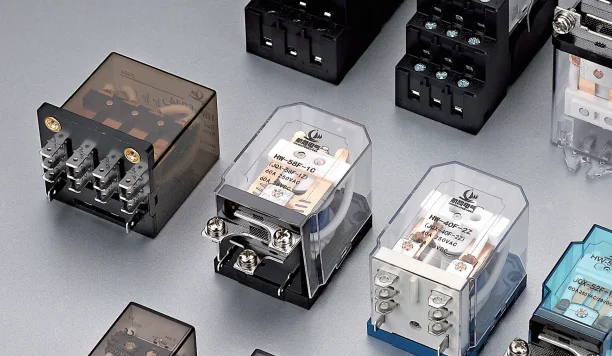
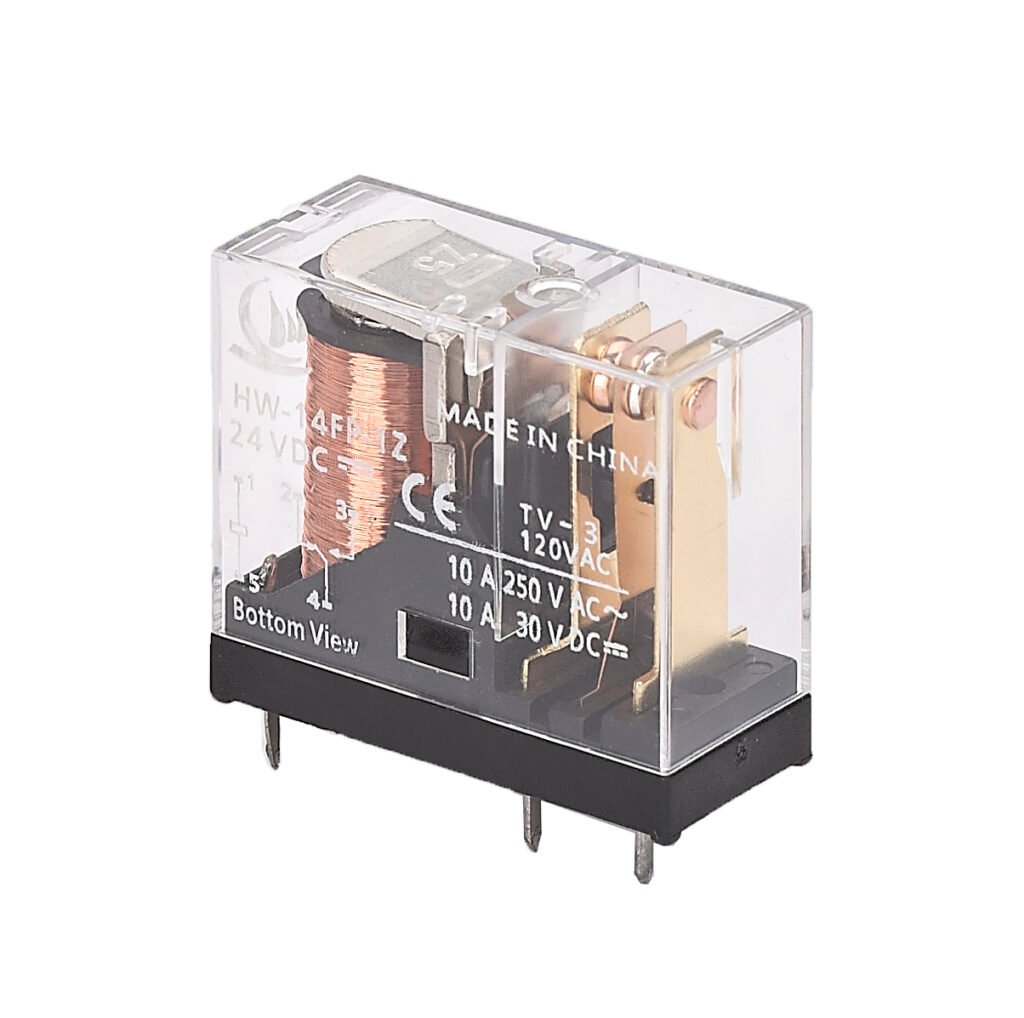
This is also where the search term high power relay becomes more useful than the exact number by itself. HW-14F-2Z High power relays are meant for heavier switching duties than low power relay, mini power relay, or miniature power relay designs, so the load side of the application should decide the class before price comparison begins.
Selection Factors Buyers Often Miss
The first missed factor is inrush current. A relay may look acceptable on nominal current, but motors, compressors, and other inductive loads can create much harder switching conditions than a simple steady-state figure suggests.
The second missed factor is AC versus DC. An AC power relay and a high power DC relay should not be treated as interchangeable just because the headline current numbers look similar, because DC interruption in demanding systems has its own switching difficulty and design requirements.
The third missed factor is the relay power supply side. A buyer should confirm the relay power supply or power supply for relay early, because coil voltage options such as 12VDC, 24VDC, and 220VAC directly affect how the relay integrates into the control cabinet or power control module relay design.
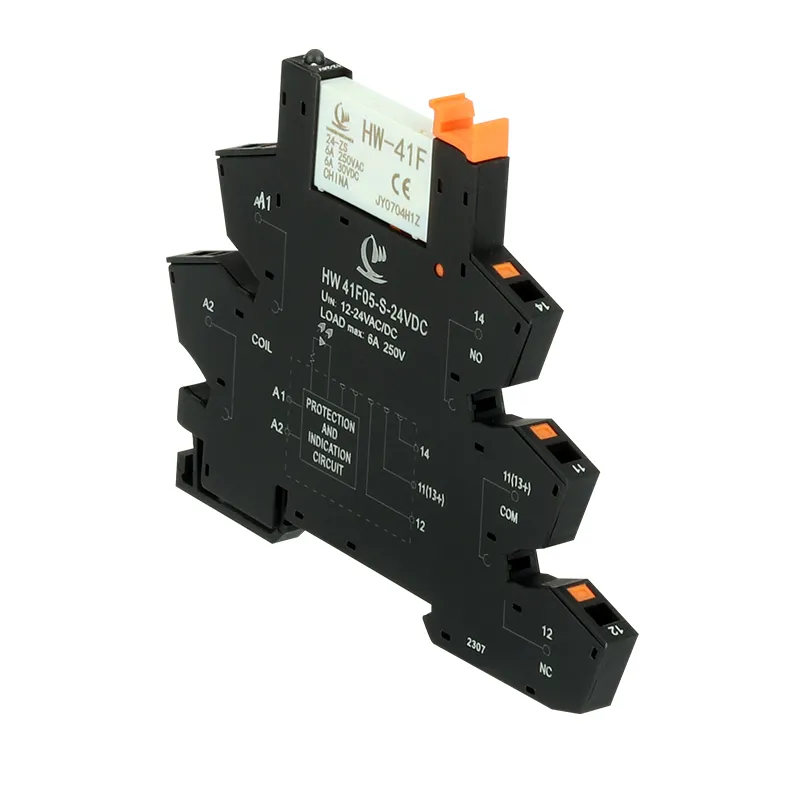
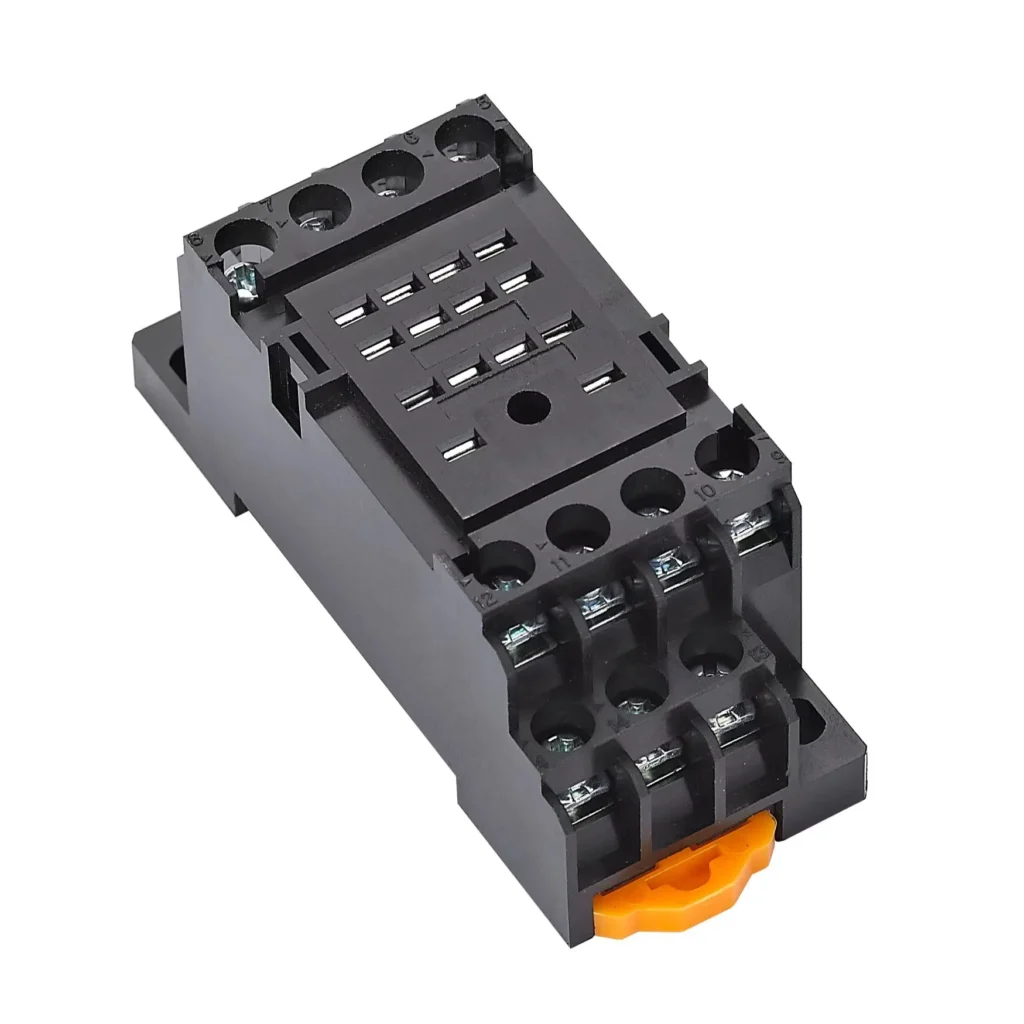
The fourth missed factor is accessory matching. Socket options, wiring style, and relay accessory power considerations matter when the relay has to be installed, replaced, or serviced in an industrial panel rather than simply tested on a bench.
This is why a compact low power relay or miniature power relay should not be used as a shortcut substitute for a higher-current power relay switch. Small control relays may fit signal or logic tasks, but load switching still has to match the current class and duty profile of the real equipment.
If your project also includes a power supply with relay assemblies or control modules, check the relay and power supply as one system instead of as separate line items. That habit usually reduces redesign risk later, especially for OEM, white-label, and private-label projects where panel logic and switching hardware must match from the start.
How to Evaluate a Power Relay Factory
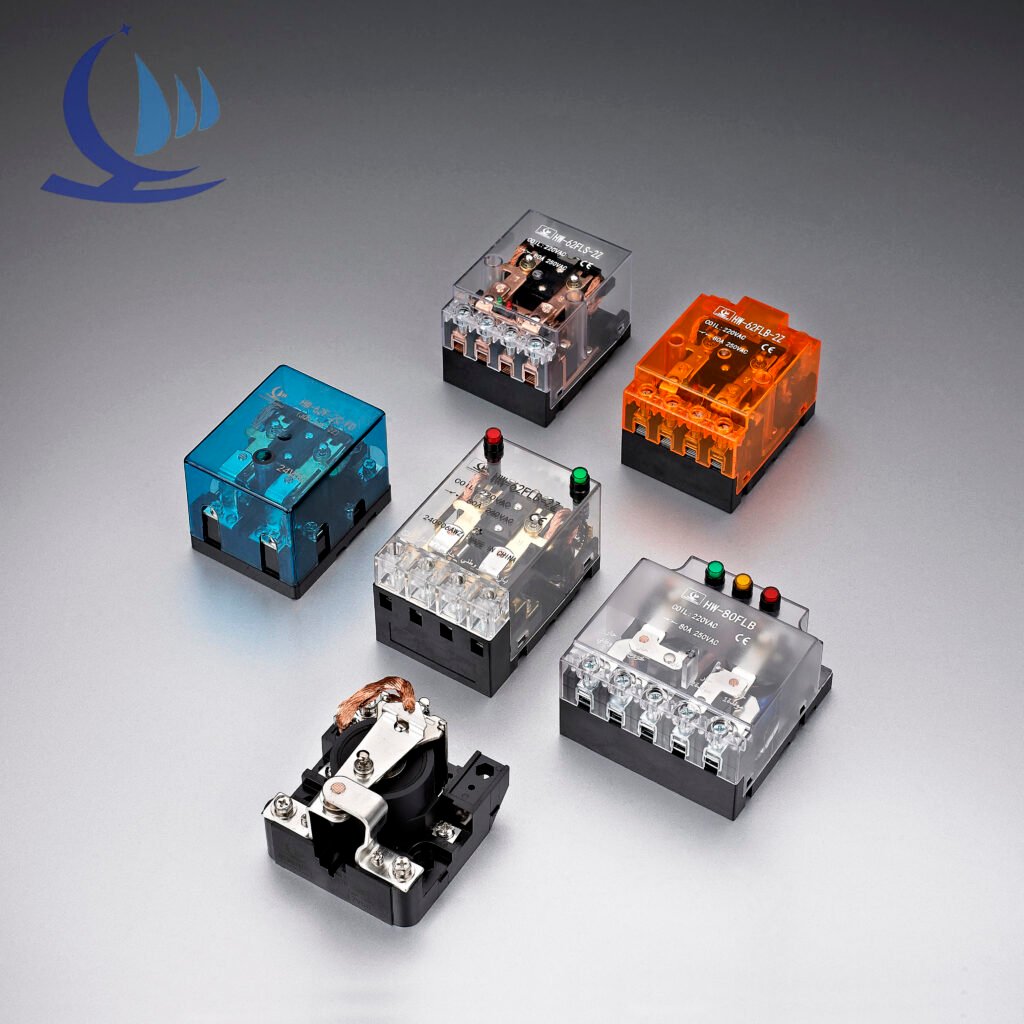
A true Power Relay factory should be evaluated on product range before unit price. Hangwang Electrical presents itself as a Chinese relay manufacturer and exporter with product coverage across new energy relays, high-power relays, extra-high-power relays, general-purpose relays, and small relays for overseas markets, which is exactly the kind of range B2B buyers should verify when comparing suppliers for wholesale, distribution, or bulk procurement.
For OEM and ODM projects, ask whether the Power Relay Factory can support different current classes, coil voltages, packaging requirements, and model variations across the same sourcing program. That matters more than a single low quotation, because a supplier that can only support one relay class may create extra qualification work when the project later needs a 40A or 50A option.
For export procurement, buyers should also review whether the company behaves like a manufacturer with stable technical support or only like a trading intermediary. In long-term sourcing, Power Relay Factory level advantages usually show up in specification depth, accessory coordination, sample validation, customization, lead-time control, and consistency between pilot orders and mass production.
Price still matters, but price should be the last filter after the electrical fit is confirmed. A cheaper relay is not a better procurement result if it forces redesign, increases failure risk, or cannot support your distributor, wholesaler, or private-label plan at volume scale.
If you are preparing an RFQ, Please contact us confirm the load type, inrush condition, current class target, coil voltage, mounting method, accessory requirement, and order volume before asking for a final quotation. That one step usually makes technical review faster and gives the supplier a fair chance to recommend the right 30A, 40A, or 50A direction instead of sending a price for the wrong relay first.
For sourcing, the better factory choice is usually the one that can support technical fit and supply continuity at the same time. In B2B procurement, a strong manufacturer is not just a company that quotes fast, but one that can align current class, relay power supply, accessories, customization, and export execution with the way your equipment will actually be built and used.
What is the difference between a 30A, 40A, and 50A power relay?
The main difference is the current class they are intended to handle, but selection should also account for contact design, coil specification, load type, and switching duty. In practice, a 40A or 50A option is only better when the application really needs more margin than a 30A class relay can provide.
Can I replace a 30A power relay with a 40A relay?
Sometimes yes, but only after checking footprint, coil voltage, socket style, and the real circuit condition. A higher current rating does not guarantee drop-in compatibility or better system performance by itself.
How do I choose a relay for motor or compressor loads?
Start with the actual load behavior, not just the nominal running current. Motor and compressor applications can involve stronger inrush and more demanding switching conditions, so buyers often need more margin than they first expect.
Does the relay power supply matter in selection?
Yes, because the relay power supply determines how the coil is driven inside the control system. Common coil options such as 12VDC, 24VDC, and 220VAC affect integration, wiring, and model compatibility from the beginning.
Is an AC power relay the same as a high power DC relay?
No, and buyers should not treat them as direct substitutes. DC switching in high-capacity systems has different interruption demands, so AC and DC relay selection should be reviewed separately.
What should buyers ask a power relay factory before bulk purchase?
Ask about current range coverage, coil voltage options, contact form, accessory support, OEM or ODM capability, export handling, and sample consistency. Those points help you compare a manufacturer, supplier, exporter, or distributor on long-term sourcing value instead of unit price alone.
When buyers search for a high current relay, they usually do not want a lecture on electromagnetism. They want three things: what it can switch, how it should be connected, and which version belongs in a real panel instead of a nice-looking catalog page. I agree. A relay that survives the datasheet but dies in the […]
Working principle of small relay A small relay is an electrical switch that operates using the principle of electromagnetic induction to control the on and off states of a circuit. It typically consists of four main components: a coil, an iron core, an armature, and contacts. When the coil is energized, current flows through it, generating a magnetic field. […]
As a core component in industrial control and power systems, the performance and reliability of electromagnetic relays directly affect the safety and stability of equipment. With the increasing demand for automation and intelligence in modern industry, the selection and testing of electromagnetic relays have become a key link in engineering design. However, faced with complex […]
We use cookies to enhance your browsing experience, serve personalised ads or content, and analyse our traffic. By clicking "Accept All", you consent to our use of cookies.
Get a Free Quote
Your email information is completely secure and will not be disclosed to third parties for any reason.
Interested In Our Relay Products?
Get the latest product brochures and technical data.