Modern vehicles and off-highway machines are basically rolling (or crawling) networks. Sensors talk, actuators respond, and the control unit keeps everything coordinated. But none of that matters if the control unit never wakes up.
That is why the Powertrain Control Module power relay deserves more attention than its small size suggests. For engineers, it is a gatekeeper for stable power delivery. For procurement teams, it is a low-cost component with an outsized impact on warranty returns, downtime, and brand reputation. And for aftermarket wholesalers, it is one of those “tiny parts” that can trigger very expensive troubleshooting if quality is inconsistent.
In this article, we will stay close to real B2B decisions: how the relay behaves in the vehicle power architecture, which specifications truly reduce field failures, what documentation to request from suppliers and manufacturers, and how to think about prices, lead time, and customization without stepping into hidden risk.
What the relay really does in a PCM/ECU power-up sequence
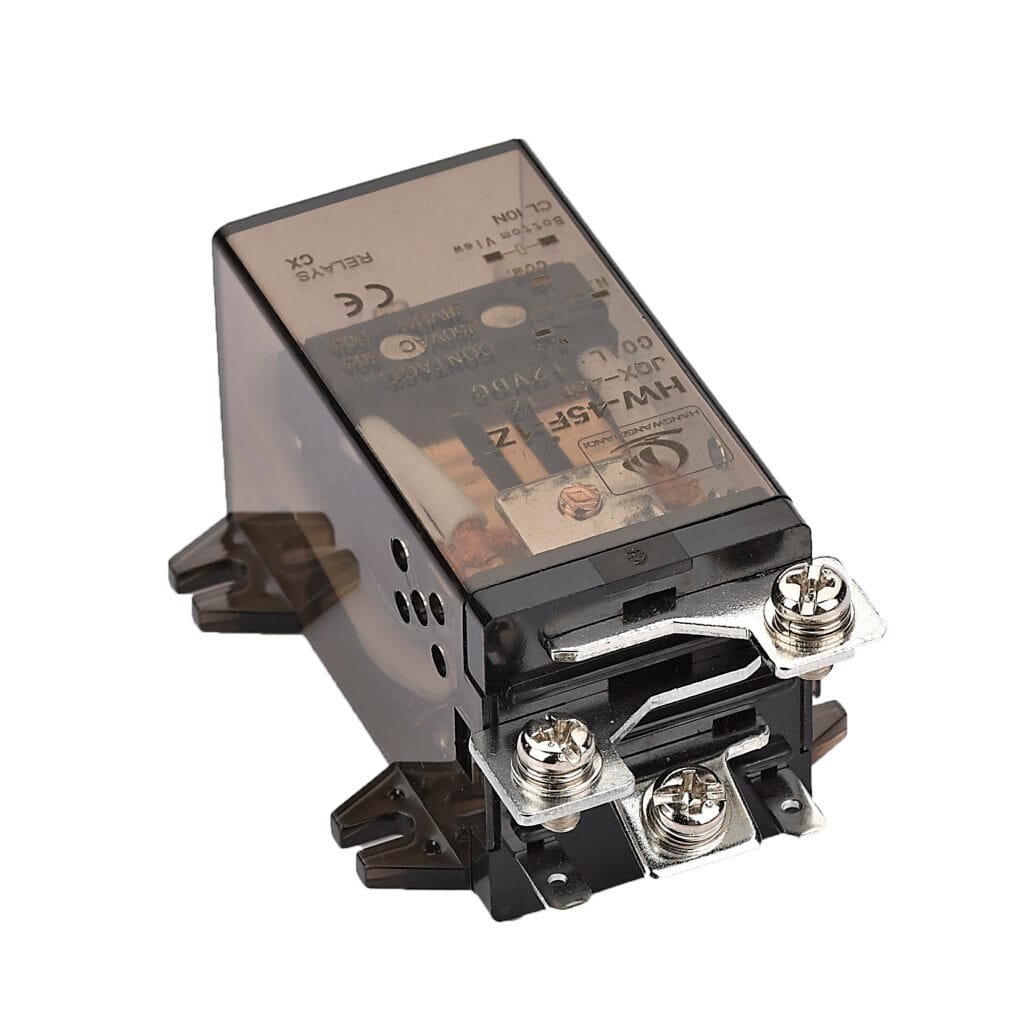
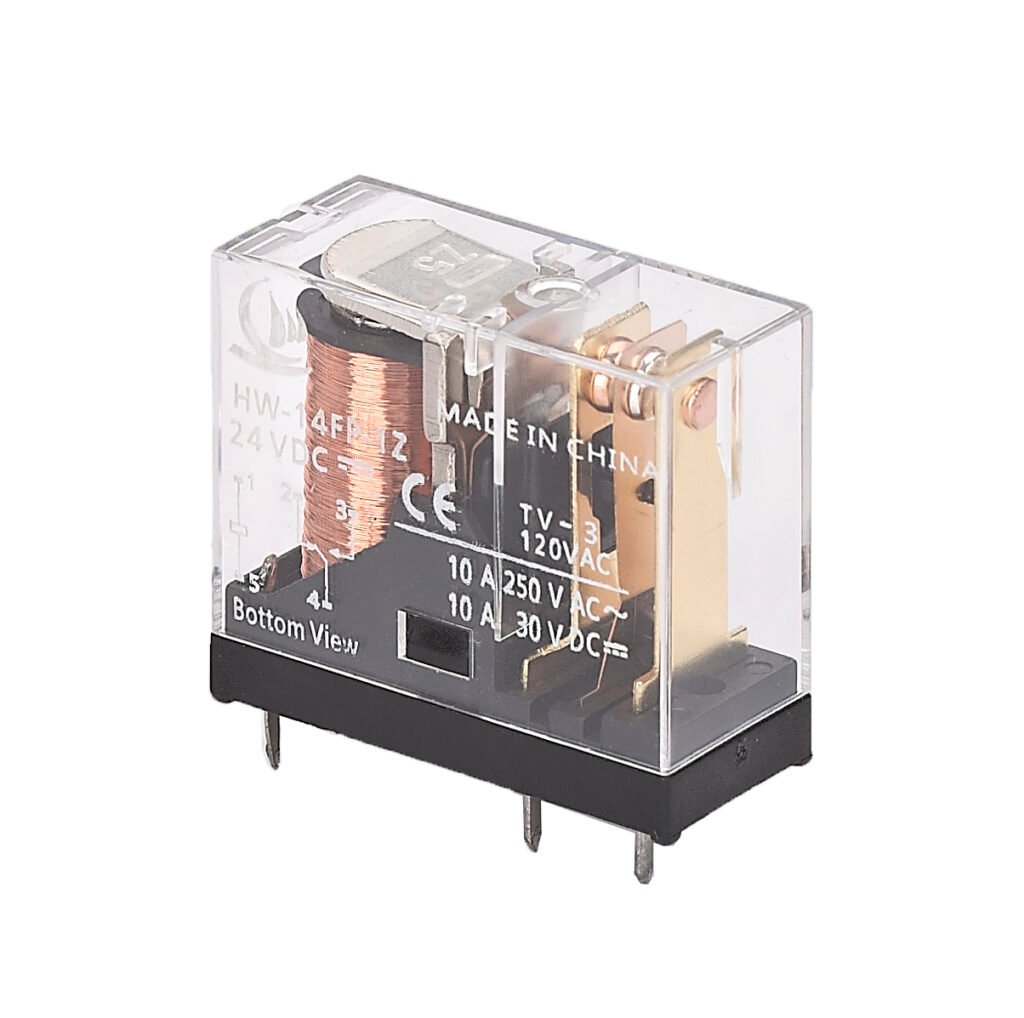
In many platforms, the HW-38F-3Z Power Relay is the controlled switch that connects battery power to the PCM (or ECM/ECU). When the ignition is turned on, a low-current control signal energizes the coil, and the contacts close to supply power to the controller. When the ignition turns off, the relay opens and isolates the module to reduce unwanted battery drain. This “battery-to-controller handshake” is the basic job description you will see across service and parts channels.
However, from an engineering and sourcing viewpoint, the important part is how it does that job: contact stability, voltage drop, bounce behavior, and durability under heat and vibration. Those factors can decide whether the module sees clean power—or confusing brownouts that look like software problems.
Function in the system
Why it matters to engineers
Why it matters to buyers
Connects battery power to PCM/ECU
Enables deterministic boot and stable logic supply
Prevents “no start” and intermittent faults that cause returns
Electrically isolates control electronics
Protects sensitive electronics from noisy high-current paths
Reduces warranty claims tied to electrical overstress
Controls when the module is powered
Limits unintended battery drain
Reduces comebacks for “dead battery” complaints
Acts as a high-current switch with low-current control
Allows safe control from ignition/BCM/ECU outputs
Keeps harness and switchgear cost under control
A quick reality check: if your customers report “intermittent no-start,” the root cause is often not the relay alone—but a marginal relay combined with heat, connector fretting, or a harness ground issue. That is why relay selection is rarely “just pick the same amperage.”
Where it sits in the power distribution architecture
Most PCM/ECU power relays live in the under-hood fuse/relay box or an integrated power distribution module. That placement is not cosmetic—it subjects the relay to temperature cycles, moisture risk, engine vibration, and load switching noise.
One more detail that helps cross-functional teams communicate: many automotive relays follow common terminal numbering conventions (for example, 85/86 for coil and 30/87/87a for contacts, depending on configuration). That consistency helps engineering, QA, and service teams align on pinout requirements during replacement or redesign.
Architecture element
Typical relay interaction
Practical sourcing implication
Under-hood fuse/relay box
Relay receives battery feed and distributes power to PCM
Higher heat exposure; specify temperature and sealing correctly
Integrated power distribution module (PDM)
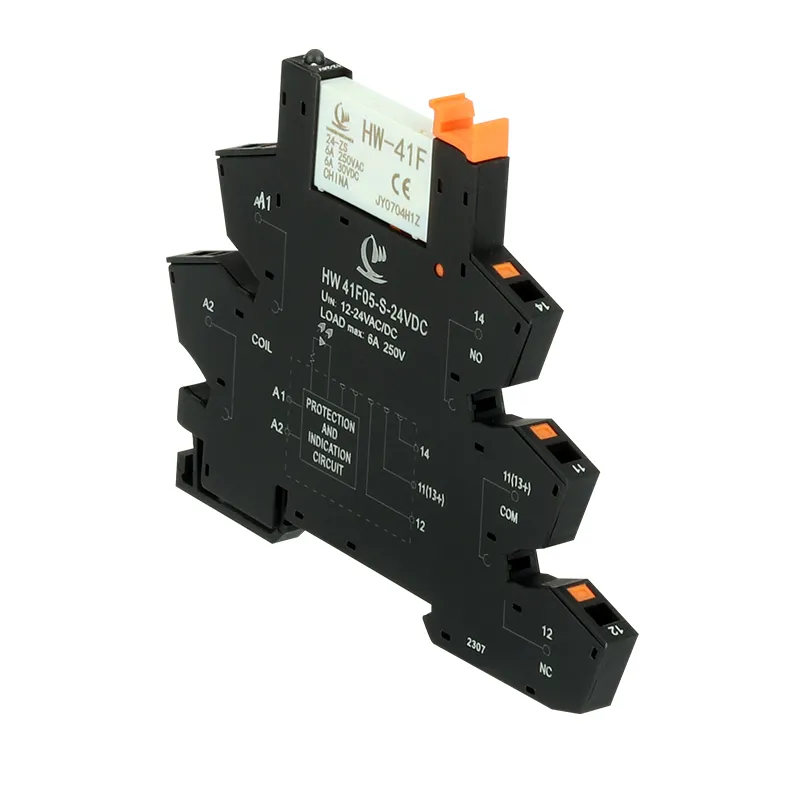
Relay may be socketed or integrated into a module
Integration can reduce assembly cost but raises validation burden
Ignition/BCM/ECU control output
Provides coil trigger
Coil power and suppression strategy must match controller limits
Fusing strategy
Protects harness and load path
Relay contact rating must align with fuse coordination, not only steady current
If you are supporting multiple vehicle platforms, you will also see naming differences: “ECU main relay,” “ECM power relay,” “PCM relay,” and similar. From a procurement perspective, do not let naming drive the PO—pinout + ratings + environment + validation evidence should.
Specifications that actually reduce field failures
Datasheets often highlight current rating first, but the most common quality disputes in B2B supply chains come from second-order specs: contact resistance drift, coil stability at low voltage, and endurance under real switching conditions.
Here is a practical way to frame your requirement sheet for a Powertrain Control Module power relay without drowning in unnecessary detail.
Spec category
What to define (buyer-friendly)
Why it matters in the field
Load profile
Steady current and inrush events (what turns on with the PCM?)
Inrush and transient loads drive contact wear and welding risk
Voltage window
12 V or 24 V system range; low-voltage crank behavior
Prevents “boots sometimes, sometimes not” during cold cranks
Contact configuration
SPST NO / SPDT, dual contacts, etc.
Wrong configuration causes functional miswires and returns
Contact material & resistance
Target max contact resistance (initial and aged)
Voltage drop can cause module brownouts and hidden faults
Coil power & suppression
Coil resistance/power, and whether you need a diode/resistor
When procurement asks, “Is a generic 40A relay good enough?” the honest answer is: sometimes—but only if the contact system, sealing, and validation match the duty cycle. A relay that is perfect for a cooling fan circuit may be a poor choice for powering control electronics because the tolerance for voltage instability is much lower.
Failure modes and how to prevent expensive “ghost” issues
Powertrain Control Module Power Relay fail in ways that are easy to describe but costly to diagnose. Contacts can stick open (no power), weld closed (battery drain or unintended power), or become intermittent (the worst case: hard-to-reproduce faults).
What makes this B2B-relevant is that the same symptom can be caused by multiple upstream issues. That means your supplier’s failure analysis capability and traceability are not “nice-to-have”—they can decide whether you can close an 8D fast.
Define coil voltage tolerance; confirm suppression strategy
High voltage drop
Rising contact resistance over life
Require initial/aged contact resistance limits and life test evidence
If you are a wholesaler serving fleets, the hidden cost is repeat labor. A relay that fails “intermittently” can lead to multiple service visits before the true cause is found. That is why consistent manufacturing control matters as much as the BOM price.
Powertrain Control Module Power Relay Validation and compliance
Many organizations treat relays as commodity items. That approach breaks down quickly once you are dealing with under-hood transients and OEM-level expectations.
Two references to keep in mind:
ISO 7637-2 is commonly used to evaluate conducted electrical transients on vehicle power lines (12 V/24 V), simulating disturbances such as load switching effects.
Automotive input protection discussions often explicitly reference the interaction of ignition switches and main relays in transient environments.
You may not need every test for every program, but you should require a coherent validation story.
Validation item
What evidence to request
Procurement value
Electrical life test
Conditions, cycles, pass/fail criteria, failure distribution
Predicts warranty risk better than a simple “life rating”
Thermal cycling
Temperature range + dwell + cycles
Screens material mismatch and seal degradation
Vibration robustness
Axis, g-level, duration, mounting method
Reduces intermittent failures that cause high service cost
Contact resistance monitoring
Initial + post-life resistance statistics
Helps prevent brownout complaints and “ECU resets”
Transient/EMC considerations
System-level compliance approach aligned to ISO 7637-2
Reduces electrical overstress disputes and field anomalies
Traceability
Lot coding, process control records, retention period
Enables containment and fast root-cause investigations
If you buy from a manufacturer that serves the automotive chain, you will also hear about IATF 16949, the automotive QMS framework built on ISO 9001 with emphasis on defect prevention and variation reduction. For B2B buyers, that matters because it signals maturity in process control—not perfection, but a higher baseline.
Contact us for custom high-performancepower relays solutions tailored to your needs.
Requires stronger supplier management and clearer specs
Multi-tier supply (manufacturer + regional stock)
Global programs with localized demand
Alignment required on revision control and labeling
If your business relies on consistent fitment and low return rates, you should prefer partners who can provide stable revision control and measurable quality evidence—even if the piece price is not the lowest.
Prices, lead time, and the “total cost” equation
It is tempting to evaluate prices only by unit cost. In practice, the highest costs come from variability: inconsistent plating, drifting resistance, or uncontrolled substitutions. A slightly cheaper Powertrain Control Module Power Relay can become very expensive if it triggers 2% returns and long troubleshooting.
Here is a clean way to explain pricing drivers internally.
Cost driver
What changes the price
How to manage it
Contact system
Material choice, contact size, endurance rating
Tie spec to load profile; avoid over-spec that adds cost without value
Sealing and housing
Open vs sealed, resin choices, molding complexity
Specify sealing only if environment demands it
Terminals and plating
Tin vs other plating systems; thickness; corrosion performance
Align to environment and expected life; validate with salt/corrosion tests
Documentation level
PPAP-like packs, extended traceability, extra testing
Pay for documentation when warranty exposure is high
Volume (MOQ)
Larger orders reduce per-unit cost
Use forecast + blanket PO to stabilize prices
Lead time
Tooling, capacity, raw materials
Negotiate capacity reservation for critical SKUs
If you are negotiating with suppliers, the most productive discussion is often: “What are the cost adders for our requested validation and traceability, and where can we simplify without increasing risk?”
And yes—if you are comparing multiple suppliers, ask each one to quote in the same structure: unit price, MOQ, sample policy, tooling (if any), lead time by volume tier, and change-notification terms.
Customization options that matter
Customization is a powerful lever in B2B procurement, but only when it improves integration or reduces failure risk. Cosmetic changes alone rarely justify program complexity.
Customization type
Practical benefit
Typical scenario
Coil voltage / coil characteristics
Better compatibility with ECU driver limits and low-voltage cranks
Platform shift from 12 V to 24 V, or tight driver margins
Footprint / pin layout
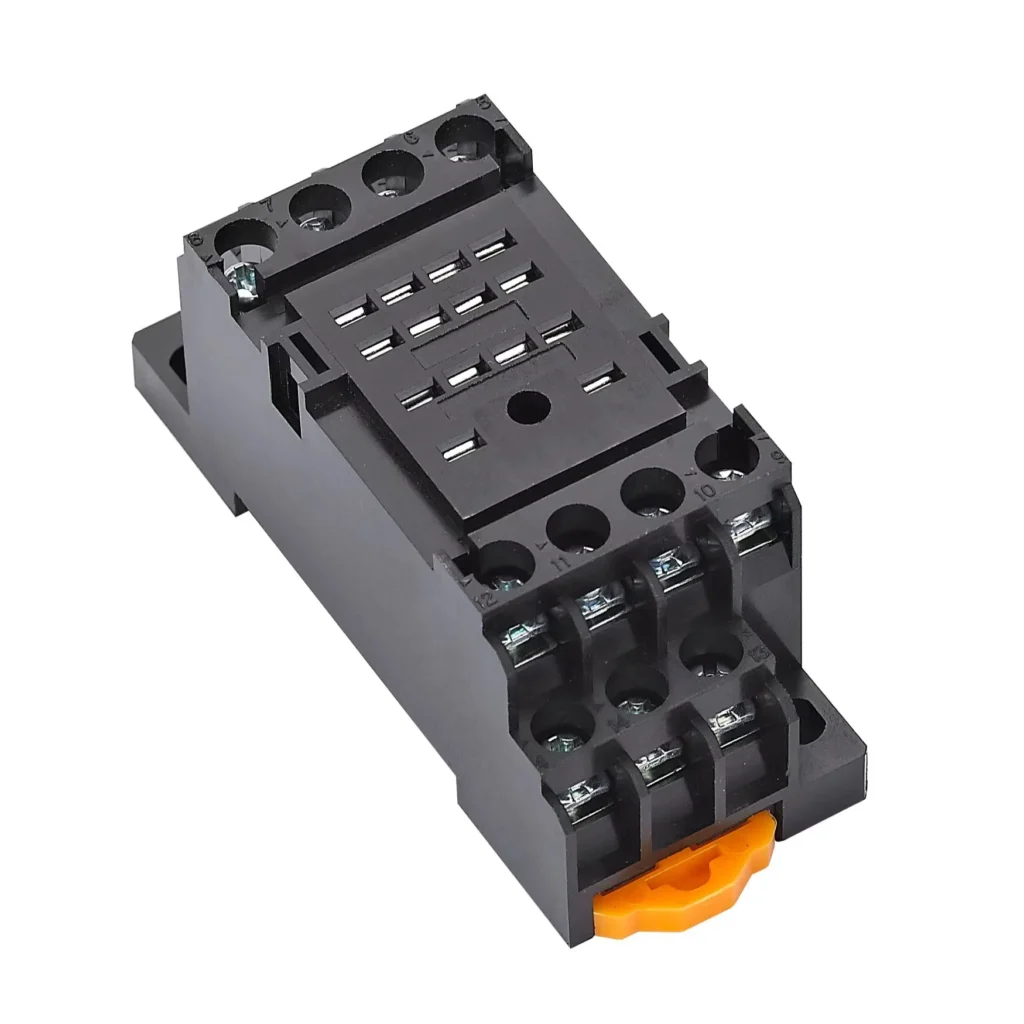
Drop-in compatibility with existing sockets or PDM
Redesign avoidance during platform refresh
Sealing level
Improved reliability in harsh environments
Off-highway, marine, high-humidity regions
Contact configuration
Enables dual feed or auxiliary sensing
Designs needing additional diagnostic logic
Marking and labeling
Faster warehouse handling, fewer picking errors
Wholesalers managing many similar SKUs
Module integration
Reduced assembly time, harness simplification
High-volume OEM programs optimizing system cost
If you are considering customization, include change-control language up front: how revisions are approved, how long the old revision remains available, and how the supplier prevents mixed shipments.
If you are ready to source at scale, this is also the moment to send a short inquiry with your annual volume, operating environment, and pinout requirement—suppliers and manufacturers can respond much faster when the technical intent is clear.
Integration tips engineers appreciate
Even when the Powertrain Control Module Power Relay itself is good, integration can create failures: undersized traces, weak sockets, inadequate suppression, or poor thermal placement in the fuse box.
Integration topic
What to confirm
Why it helps
Socket and terminal fit
Insertion force, retention, plating compatibility
Reduces fretting corrosion and intermittent power loss
Coil suppression strategy
Diode/resistor placement and thermal effects
Protects controller outputs and stabilizes EMI behavior
Thermal placement
Distance to hot zones, airflow, enclosure design
Prevents accelerated aging and coil drift
Harness coordination
Fuse sizing and wiring gauge alignment
Limits fault energy and reduces contact welding risk
Serviceability
Clear labeling and consistent part numbering
Reduces wrong-part replacement and returns
A simple question buyers can ask suppliers is: “Do you have application notes or field feedback specific to under-hood controller Powertrain Control Module Power Relay?” A supplier who can answer that calmly is usually more capable than one who only quotes amperage and price.
A controller power relay is easy to underestimate because it is small, familiar, and inexpensive. But in the real world, it sits at the intersection of harsh under-hood conditions, electrical transients, and “must-start” customer expectations. That is exactly why the Powertrain Control Module power relay should be treated as a managed component, not a last-minute commodity.
If you are an engineer, focus on load profile, voltage stability, and validation evidence—not only nameplate amperage. If you are in procurement, treat traceability, change control, and supplier capability as part of the price. And if you are a wholesaler, prioritize consistency; it is the fastest path to fewer returns and a stronger reputation.
When you are ready, the most efficient next step is simple: send your pinout, operating environment, target quantity, and any customization needs to your shortlisted suppliers or manufacturers and request a structured quotation (unit price tiers, MOQ, lead time, and documentation scope). That one step usually saves weeks of back-and-forth later.
FAQ
Is a Powertrain Control Module power relay the same as a “main relay”?
Often it is functionally similar, but naming varies by platform. Confirm by pinout and circuit role, not by label.
What are common symptoms of relay problems?
No-start, intermittent stalling, or unexplained battery drain are common symptom categories when controller power is unstable.
Should we buy from wholesalers or direct manufacturers?
Wholesalers are strong for speed and multi-brand availability. Direct manufacturers are better for customization, stable revision control, and deeper quality documentation.
What documents should we request for B2B sourcing?
At minimum: datasheet, test summary, traceability method, and change-notification policy. For automotive programs, many buyers also prefer IATF 16949-aligned quality systems.
What drives prices the most for these relays?
Contact system, sealing, terminal plating, and documentation/testing requirements are the usual drivers—volume and lead time strategy then shape the final quote.
Can we request customization for branding and part marking?
Yes. Many suppliers support marking customization, and it can reduce picking errors for wholesalers handling similar SKUs—just ensure revision control is well-defined.
Table of Contents
Contact us for custom high-performancepower relays solutions tailored to your needs.
What is a Relay? Hangwang Electrical HW-14F-1Z Relay is an electric switch, Understanding Relay & Wiring Diagrams, used to control the flow of current in a circuit. It uses a small electrical input to manage a larger electrical load, making it a crucial component in various applications. Relays are commonly found in household appliances, industrial […]
Industrial relay are indispensable components in automation control systems, and understanding Industrial Relay Symbol system is crucial for ensuring design quality, operational safety, and efficient troubleshooting. This guide offers a deep dive into the structure, application rules, and development trends of relay symbols. It draws on international standards (IEC 60617), domestic regulations (GB/T 4728), and […]
In this article, I’m going to walk you through one of the most practical workhorses in industrial control panels: the Power Relay power control module relay family that includes the HW‑30F‑2Z. You’ll get clear wiring guidance, selection rules, and real‑world tips that you can actually plug into your next project. If you’ve ever stared at an 8‑pin relay […]
We use cookies to enhance your browsing experience, serve personalised ads or content, and analyse our traffic. By clicking "Accept All", you consent to our use of cookies.
Get a Free Quote
Your email information is completely secure and will not be disclosed to third parties for any reason.
Interested In Our Relay Products?
Get the latest product brochures and technical data.