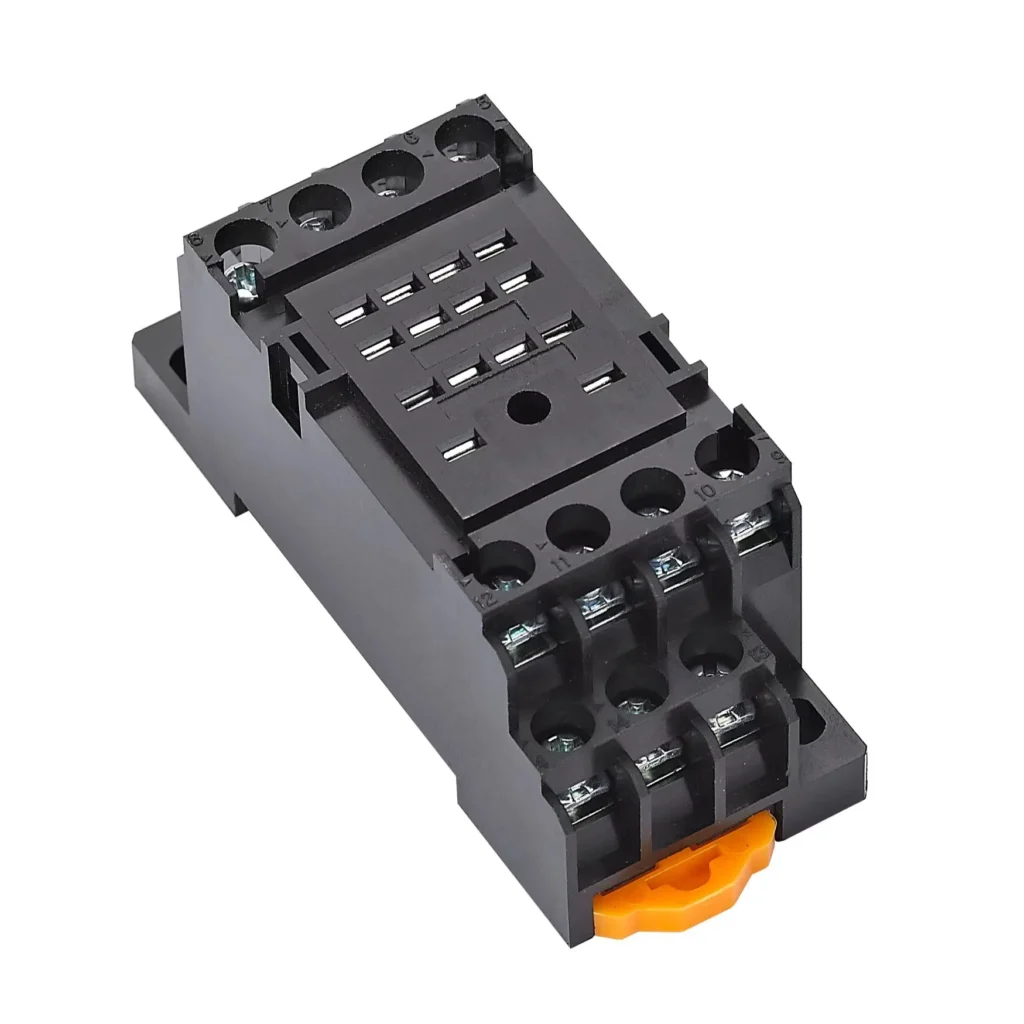
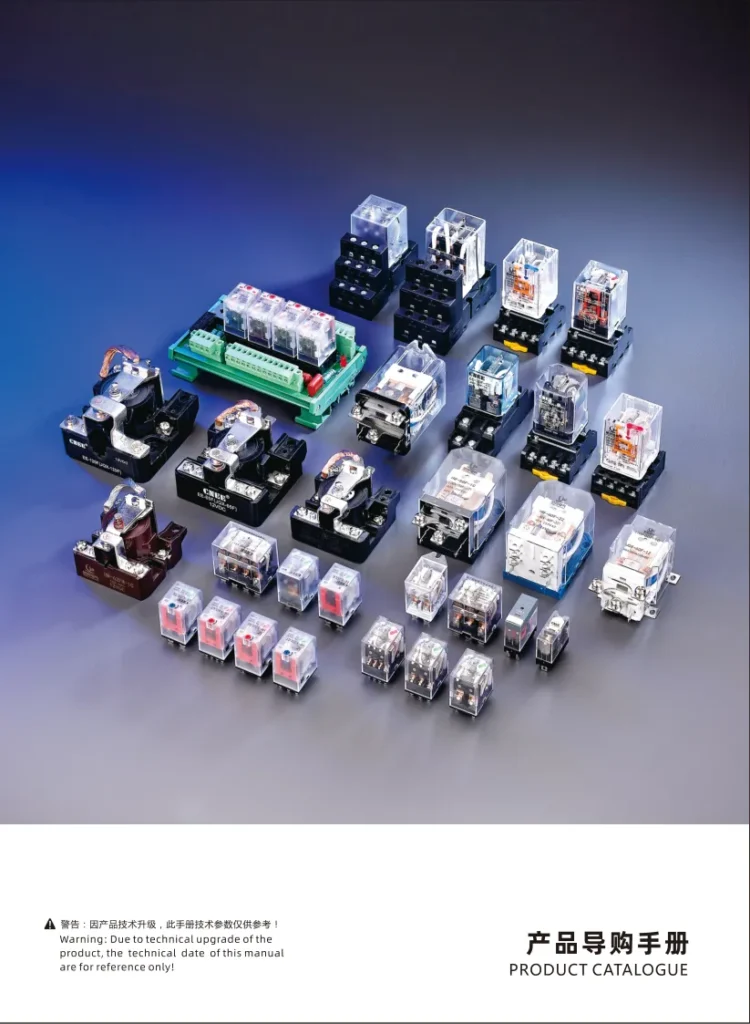
A Power Relay is a critical electrical device that acts as a switch, allowing a low-power circuit to control a high-power circuit safely and efficiently. Think of it as a middleman that controls heavy machinery or electrical loads without needing you to manually flip a switch every time. Power relays are extensively used in industrial automation, motor control, and power management systems. They help protect circuits and ensure operations run smoothly without direct human intervention.
If you’re managing industrial equipment or electrical systems, understanding HW-58F-1Z relays can help optimize your controls and improve safety. Thinking about integrating a reliable power relay into your system? Reach out for expert advice and customized solutions tailored to your operational needs.
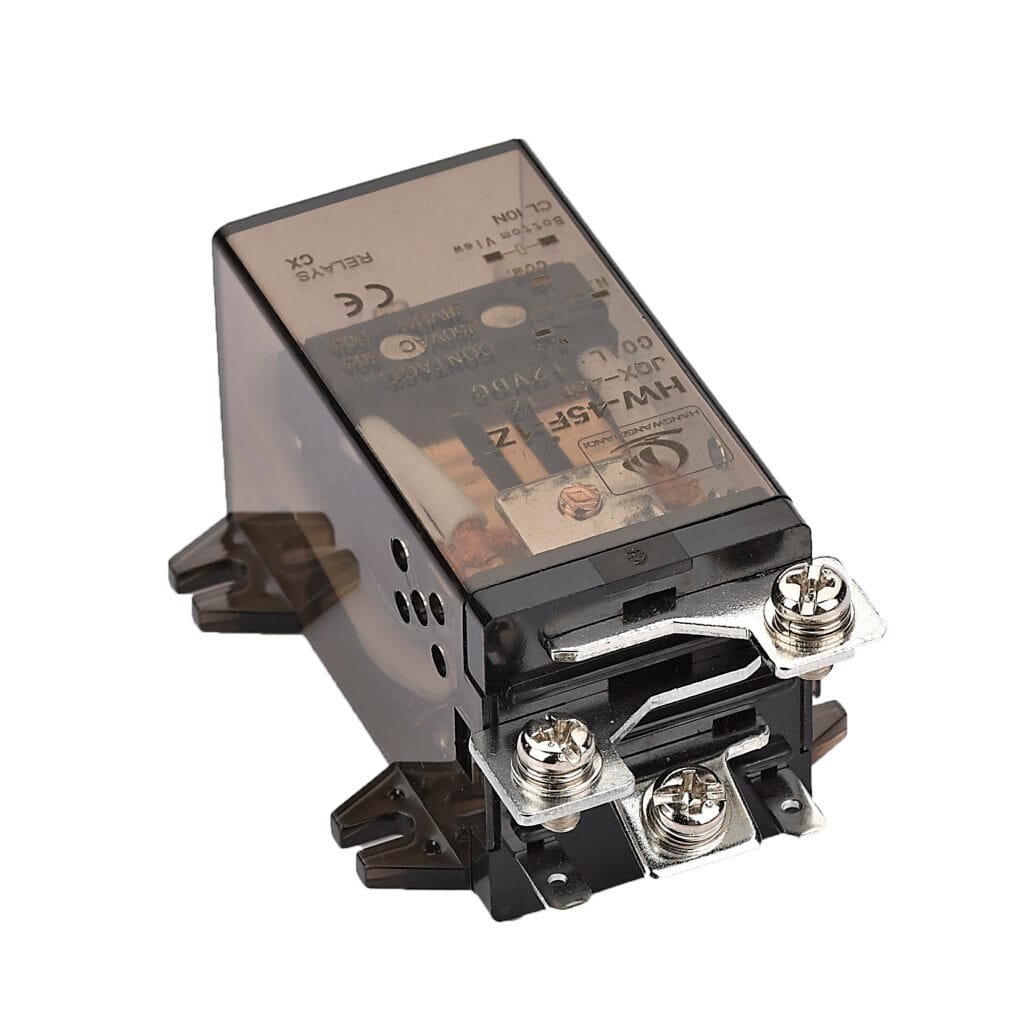
HW-58F-1Z Power Relay 60A, Durable, Bolt Mounting
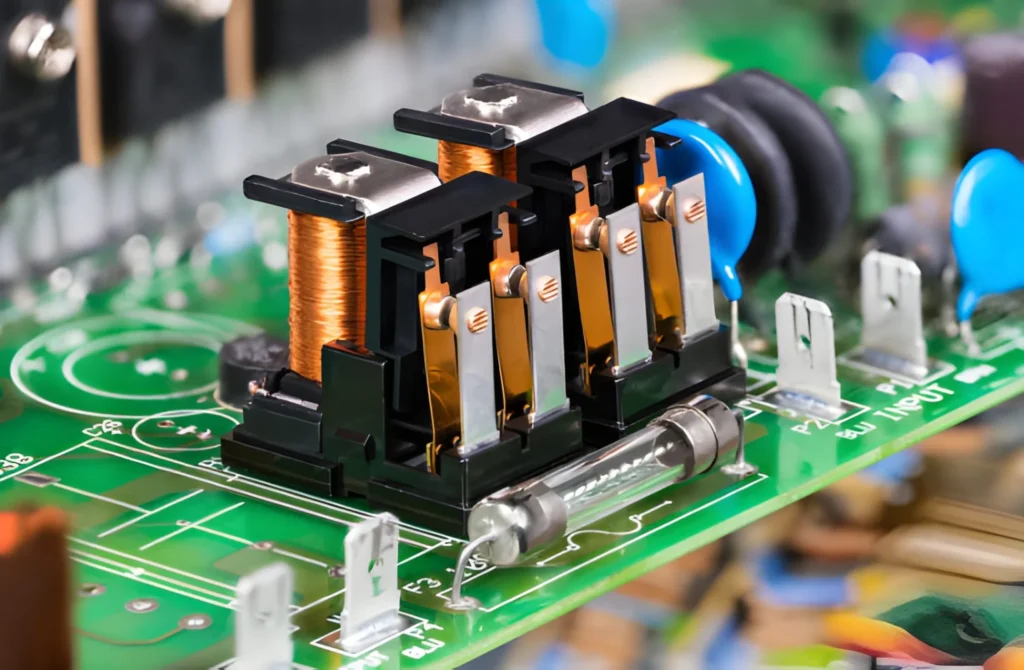
Basic Structure of Power Relay
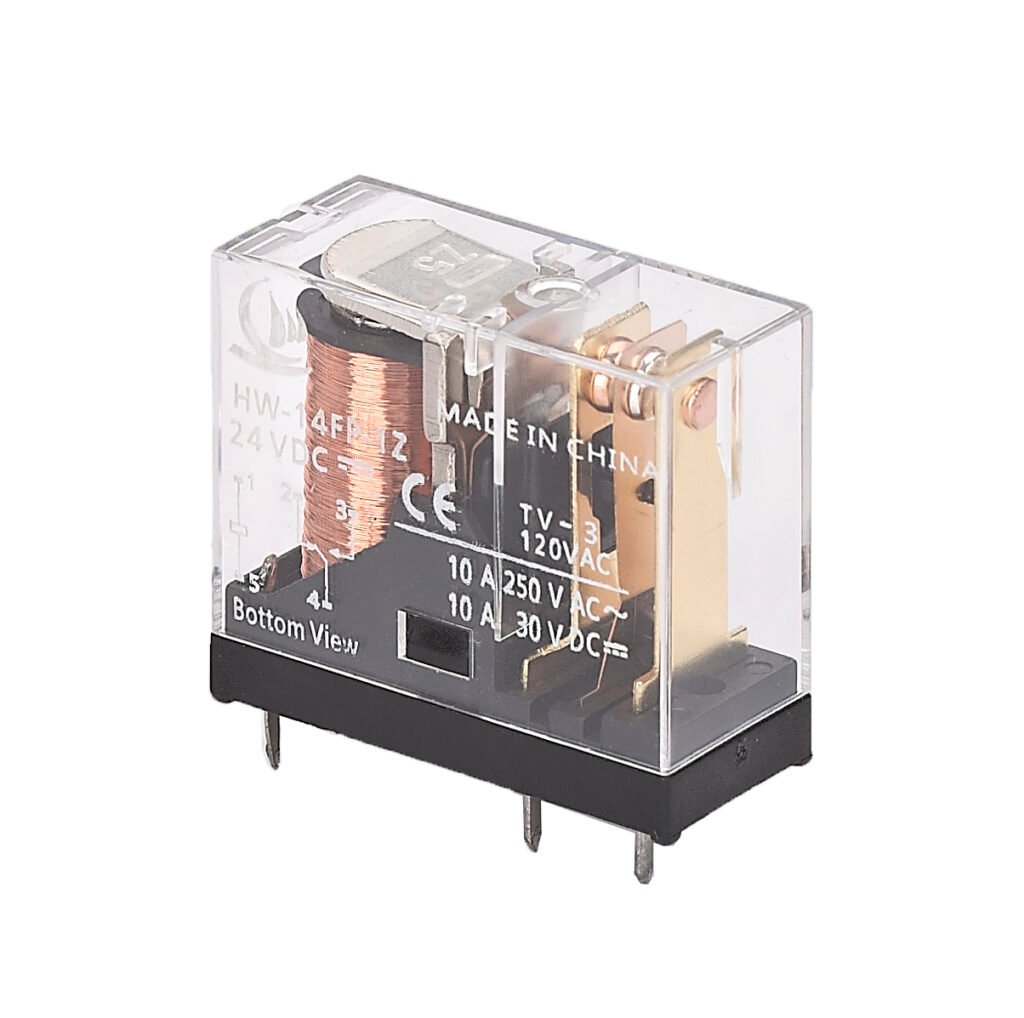
Power relays are composed of distinct components that work harmoniously to perform switching operations. The major parts include:
Here’s a table summarizing the key components and their functions:
Component
Description
Function
Coil
Wire wound around iron core
Generates magnetic field
Armature
Movable iron
Attracted by coil’s magnetic field; moves contacts
Fixed Contact
Stationary contact point
Completes or breaks electrical circuit
Moving Contact
Attached to armature
Moves to open or close circuit
Hinge Spring
Small spring
Returns armature to rest position
Case
Outer protective shell
Protects internal parts
Base
Mounting surface
Holds terminals and structure
Terminals
Connection points
Connect coil and contacts to circuits
Card
Insulator
Supports contacts electrically
This design allows the relay to efficiently open or close high-voltage or high-current circuits while keeping control circuits separate.
Power Relay Working Principle
Relay operation is an elegant blend of electrical and mechanical interactions:
Electric Current Activates Coil: When a low-voltage signal energizes the coil, it produces a magnetic field.
Magnetic Attraction: The magnetic field attracts the armature towards the coil.
Contact Movement: The moving contact attached to the armature shifts to connect or disconnect from the fixed contact.
Circuit Control: This movement either closes or opens the controlled high-power circuit.
Spring Returns Armature: When the coil is de-energized, the hinge spring returns the armature to its original position, resetting the relay.
This mechanism allows a small electrical impulse to control large loads, providing essential isolation and control in many systems.
Differences Between Relay Contact Types
Knowing the right relay contact type is crucial for your application. Here’s a breakdown:
Contact Type
Description
Application Example
Normally Open (NO)
Contact is open at rest; closes when relay activates
Motor starters, lighting circuits
Normally Closed (NC)
Contact is closed at rest; opens when relay activates (breaks circuit)
Emergency stop switches, fail-safe circuits
Changeover (CO)
One common contact switches between NO and NC contacts
Complex switching circuits
Contact Materials and Their Impact
Different contact materials influence relay performance and lifespan:
Silver Cadmium Oxide (AgCdO): Common, good conductivity, arc-resistant.
Silver Nickel (AgNi): Rare, good mechanical strength.
Silver Tin Oxide (AgSnO2): Better arc resistance, ideal for inductive loads.
Tungsten: Used for high voltages, but less conductive.
Palladium alloys: Low wear, suitable for signal relays.
Each material affects how long your relay will last and how well it handles specific electrical loads. Discuss your operational conditions with your relay supplier to get the best match.
Upgrade your control system with top-quality power relays today!Discover reliable power relay solutions for your system.
Power relays are everywhere in industry and daily life:
Industrial automation
Motor control circuits
Power protection and switching systems
HVAC systems
Smart home devices
Automotive accessories like 12v dc rv automatic power source charging relay, 12v dc rv automatic power source relay module
If you’re interested in specialized relays like pcm power relay or ecm power relay, these typically serve in automotive and powertrain control modules.
Key Parameters When Choosing a Relay
When selecting the relay, consider:
Parameter
Importance
Rated Voltage
Must match system voltage for safe operation
Rated Current
Handles max load current without damage
Contact Configuration
NO, NC, or CO based on switching requirement
Coil Voltage
Should match control circuit voltage
Operating/Release Time
Determines responsiveness
Mechanical/Electrical Life
Durability under usage
Want to ensure your power relay switch is durable and reliable? Choose certified products emphasizing longer mechanical and electrical life.
How to Improve Power Relay Performance and Reliability
Maximize your relay’s lifespan with these tips:
Use high-quality coil wire and insulation to prevent overheating.
Ensure good contact materials to resist wear and arcing.
Select relays with proper enclosure ratings for dust, moisture, or corrosive environments.
Incorporate snubber circuits or arc suppression devices if switching inductive loads.
Regularly inspect and maintain relays in heavy-use environments.
Selecting the right power relay is vital for smooth operation and longevity of electrical systems. Whether in industrial automation or vehicle accessories like 12v dc rv automatic power source charging relay or accessory power relay, choosing high-quality components ensures reliability and safety.
Our factory specializes in manufacturing durable power relays designed to your specifications with excellent performance in demanding environments. Interested in a tailored solution that addresses your unique industrial challenges? Contact us today for support and quotes. Let us power your success with premium relays!
FAQ
What is the difference between a power relay and a general relay?
Power relays are designed for higher current and voltage loads compared to general purpose relays.
How do I know which relay coil voltage to select?
Match the coil voltage to the control circuit supply, commonly 12V DC or 24V DC.
What causes relay contact failure?
Arcing, corrosion, or mechanical wear often cause contact issues.
Can I use the same relay for AC and DC?
No, relays are usually rated specifically for AC or DC operations due to different arc suppression needs.
How does a power relay switch improve system safety?
It isolates control circuits from high-power circuits, preventing hazardous direct contact.
Have you ever felt confused by Industrial Relay contact symbols when designing industrial automation systems? Or hesitated during selection, unsure which contact type best fits your project? Don’t worry—this article will take you on a deep dive into Industrial Relay Contact types, symbols, and their specific roles and advantages in industrial applications. By mastering these essentials, you’ll […]
Modern vehicles and off-highway machines are basically rolling (or crawling) networks. Sensors talk, actuators respond, and the control unit keeps everything coordinated. But none of that matters if the control unit never wakes up. That is why the Powertrain Control Module power relay deserves more attention than its small size suggests. For engineers, it is […]
Choosing the right coil voltage for a power relay switch can feel tricky, especially when you are designing industrial control panels, OEM equipment, or automation systems for demanding B2B projects. You not only need the relay to pull in reliably, you also have to think about supply tolerance, safety, heat, and long‑term reliability. This guide […]
We use cookies to enhance your browsing experience, serve personalised ads or content, and analyse our traffic. By clicking "Accept All", you consent to our use of cookies.
Get a Free Quote
Your email information is completely secure and will not be disclosed to third parties for any reason.
Interested In Our Relay Products?
Get the latest product brochures and technical data.