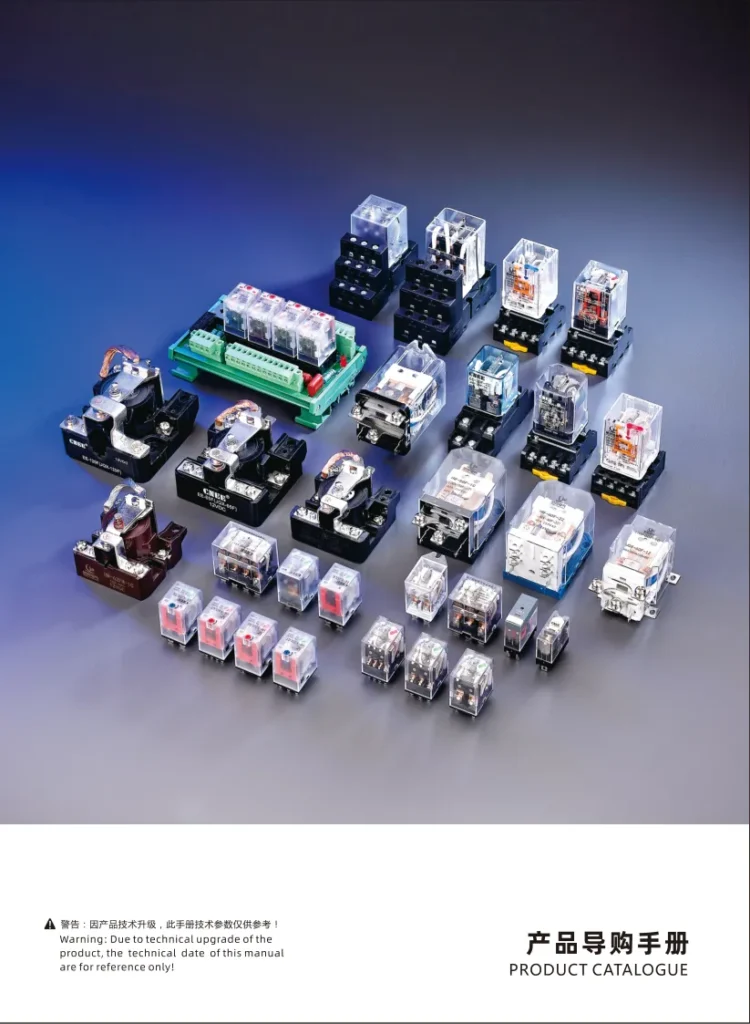
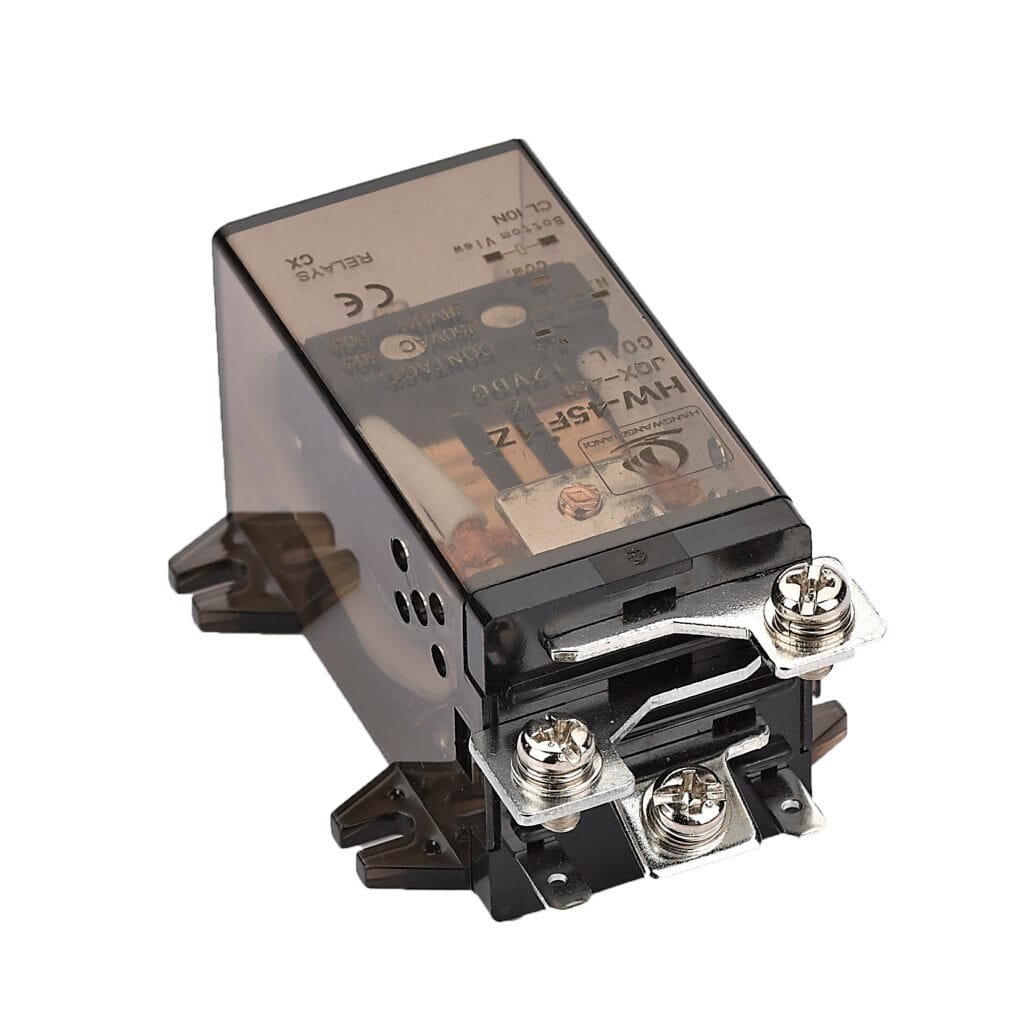
Power relays are designed for switching high currents and high voltages and are often used in power equipment and industrial systems that require high power transmission. They have strong breaking capacity and high reliability, and can effectively cope with switching operations under high load environments. Power relays are suitable for power management, electromechanical equipment, industrial control systems and other applications to ensure the safe operation of high-power equipment.
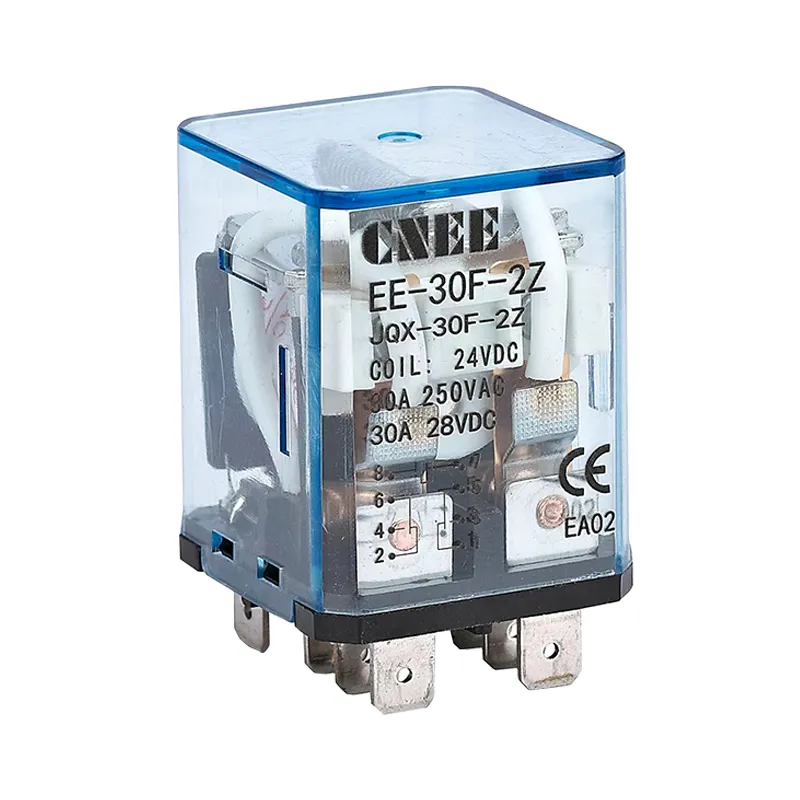
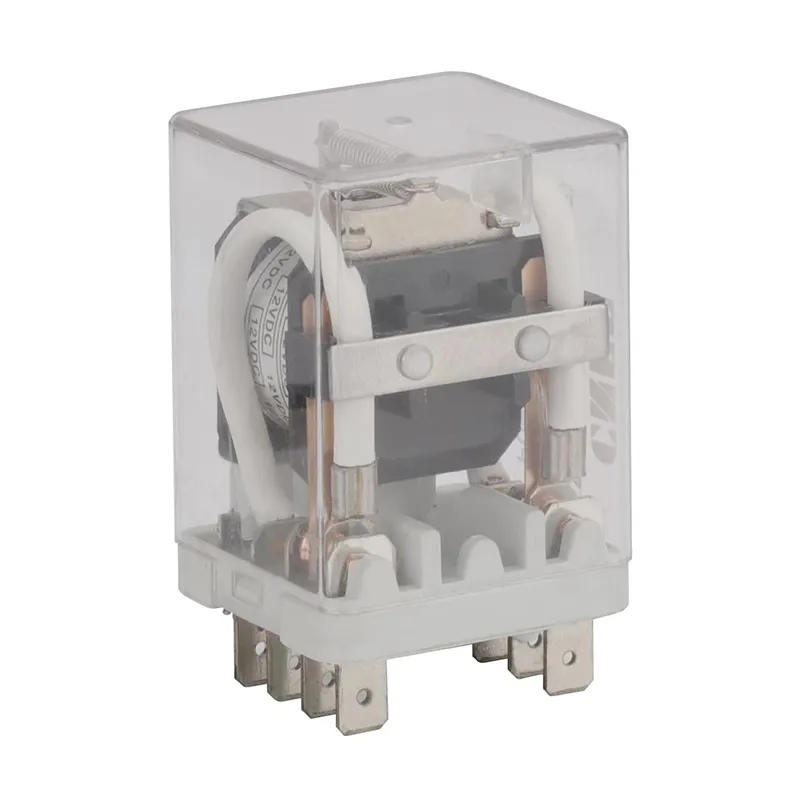
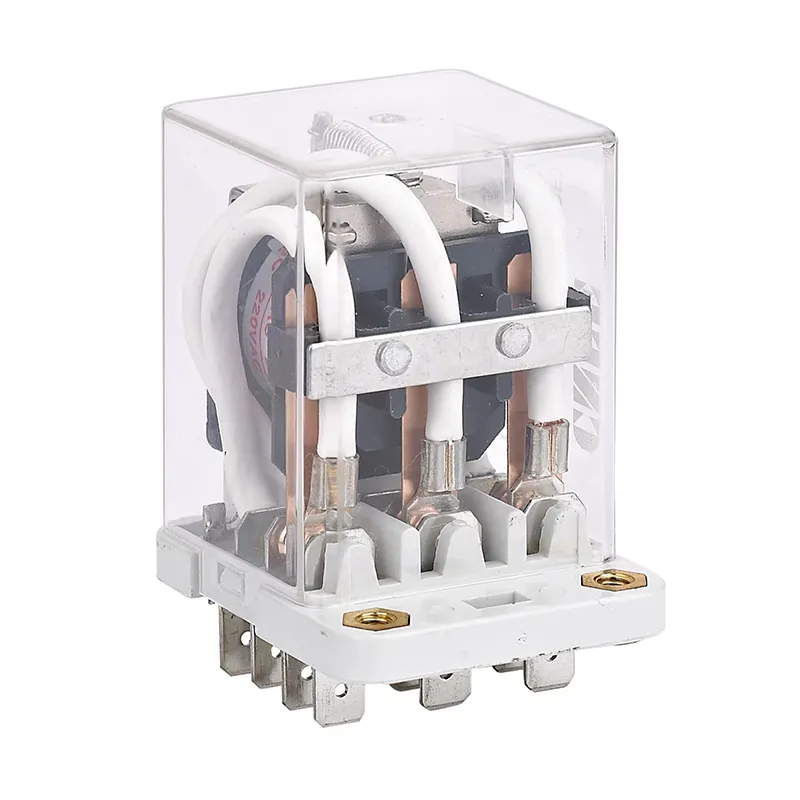


Power relays are electromechanical switches that use an electromagnet to open or close high-power electrical circuits with a low-power control signal. They provide electrical isolation between control and load circuits, enabling safe and efficient switching of motors, heaters, compressors, and other electrical devices. Power relays are designed to handle high current and voltage loads, with robust construction to withstand industrial environments and demanding operating conditions. These relays are commonly sealed for protection and comply with international standards such as IEC, UL, and VDE certifications, ensuring reliability and safety in various applications.
Main Features of Power Relays
- High switching capacity, often rated at several amperes and up to hundreds of volts AC/DC
- Sealed construction for protection against dust, moisture, and corrosion
- Compact and space-saving design suitable for control panels and embedded systems
- Multiple contact configurations (normally open, normally closed, changeover)
- Fast and reliable operation with a low coil power requirement
- Available with coil voltages compatible with various control systems (DC and AC options)
- LED indicators or mechanical test buttons on select models for status monitoring
- Compliance with safety standards such as IEC/EN60335-1, IEC/EN60079-15, UL, and CSA
- Robust coil and contact materials ensuring long operational life and endurance under surge currents.
Product Advantages
Power relays offer several benefits including:
- Simple and effective operation by converting low power input into high power switching
- Isolation of control and load circuits to protect sensitive electronics and improve safety
- Compact size that allows integration into tight spaces and complex control systems
- Longevity with typical lifespans extending to over a million switching cycles
- Ability to handle inductive loads, resistive loads, and inrush currents with minimized contact wear
- Low cost and ease of replacement support maintenance efficiency
- Multi-voltage input options reduce stock complexity and allow versatile usage
- Visible contact operation through LEDs or manual test buttons aid troubleshooting and monitoring.
Installation Steps and Maintenance
Installation Steps:
- Review the circuit diagram and confirm the relay specifications match the intended load and operating conditions.
- Choose a well-ventilated, accessible installation location free from moisture and excessive heat.
- Secure the relay to a compatible socket, panel, or DIN rail using screws or mounting hardware.
- Connect the coil and contact terminals according to the wiring diagram, ensuring secure and properly labeled connections.
- Power on and test the relay for proper operation and response sensitivity; confirm stable switching without abnormal noise or heat.
Maintenance:
- Conduct periodic inspections for signs of contact wear, corrosion, or mechanical damage.
- Perform functional testing to verify electrical continuity and switching performance.
- Clean contacts if accessible, and replace relays nearing the end of their service life.
- Avoid exceeding rated voltage and current to prevent premature failure.
- Utilize preventive measures including environment control and surge protection to extend relay longevity.
Detailed Applications of Power Relays
Industrial Automation: Motor control, conveyor systems, pumps, compressors, and HVAC system switching
Home Appliances: Control of motors and heaters in refrigerators, washing machines, ovens, and air conditioners
Automotive Systems: Switching headlights, fuel pumps, power windows, and ignition control circuits
Lighting & HVAC Controls: Operating LED lighting drivers, fan controllers, and electric boilers
Safety Systems: Protective switching in emergency stop circuits, fault detection, and interlocking mechanisms
Telecommunications and Electronics: Signal routing and power management in control panels and embedded circuit designs
The versatility and robust construction of power relays make them suitable for diverse high-power switching needs across industrial, automotive, and consumer sectors.