When a vehicle refuses to start and diagnostics point to the “PCM power relay,” that small component suddenly becomes very important to engineers, buyers, and maintenance teams. For OEMs, wholesalers, and parts procurement, understanding what a PCM power relay does – and how to choose the right one – directly affects reliability, warranty cost, and customer satisfaction.
Whether you’re an engineer seeking technical insights or a procurement manager looking to make informed decisions, this guide will serve as a valuable resource.
What Is a PCM Power Relay?
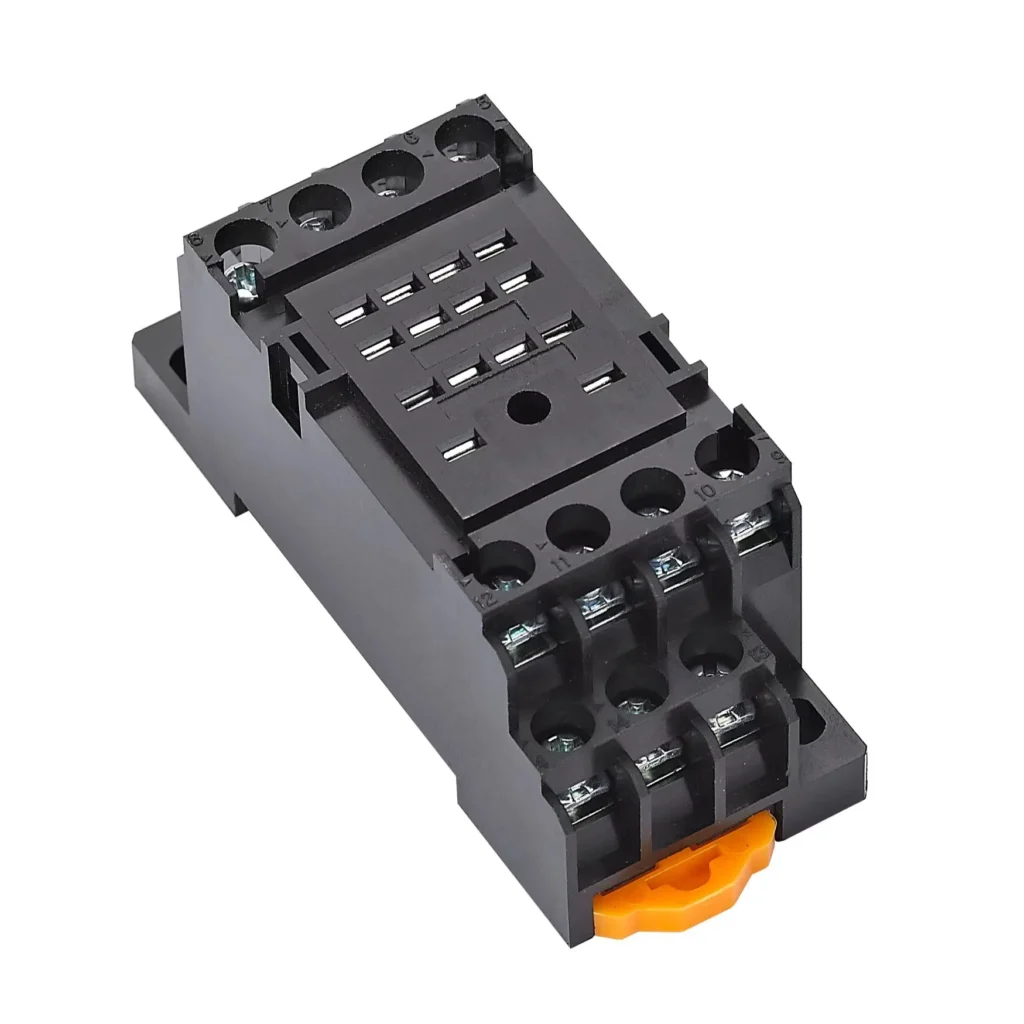
In automotive electronics, a PCM power relay (often also called an ECM power relay) is an electrically operated switch that supplies power to the engine or powertrain control module so the vehicle’s “computer” can run. It sits in the power distribution center under the hood and controls the flow of battery power to the ECM/PCM and often other critical loads.
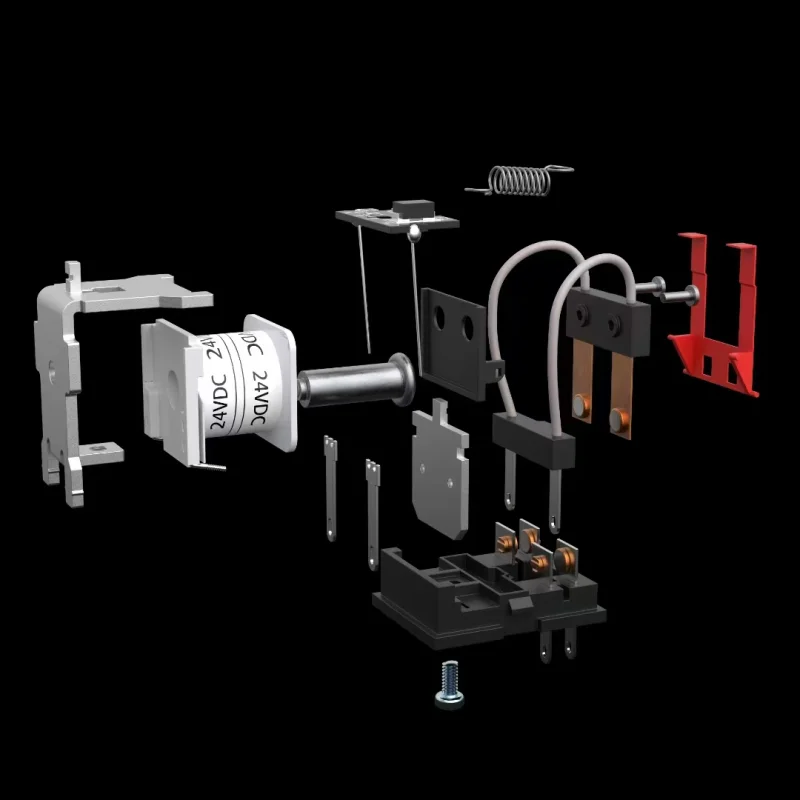
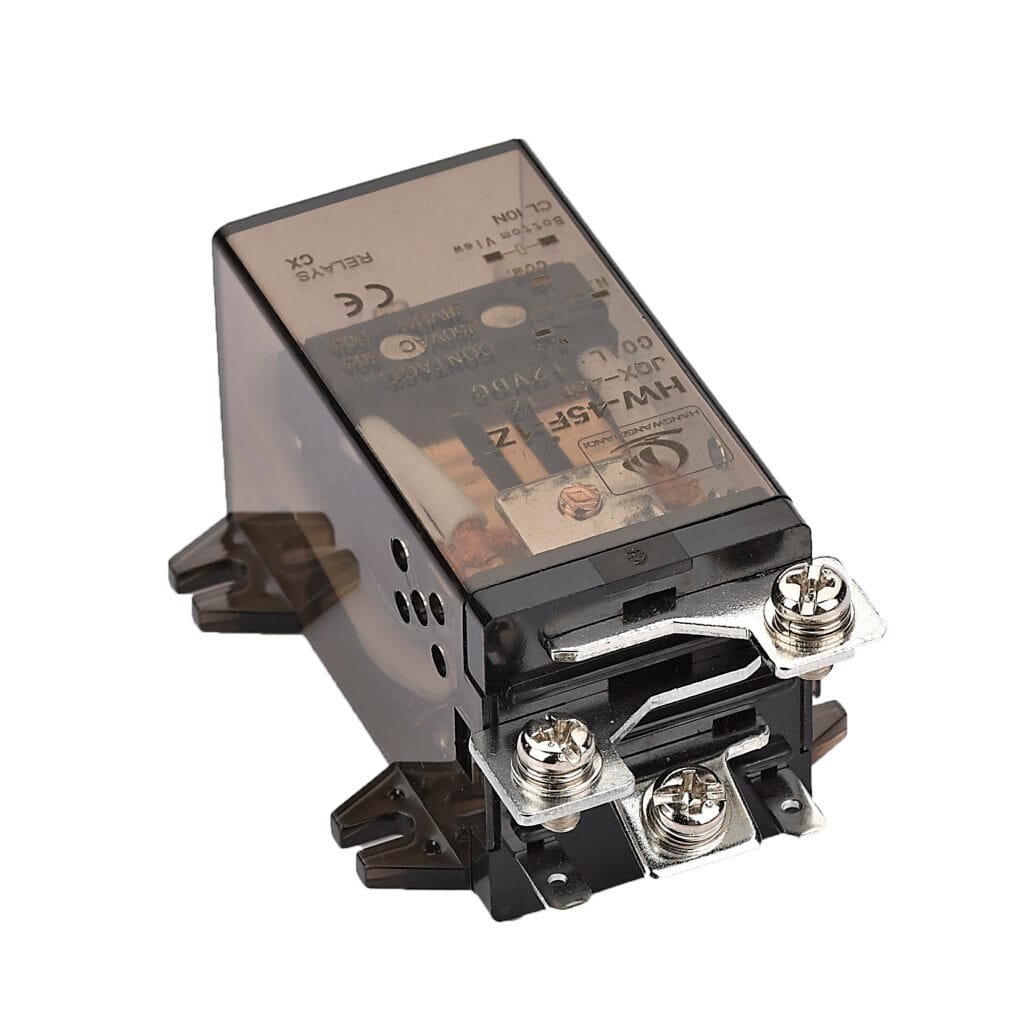
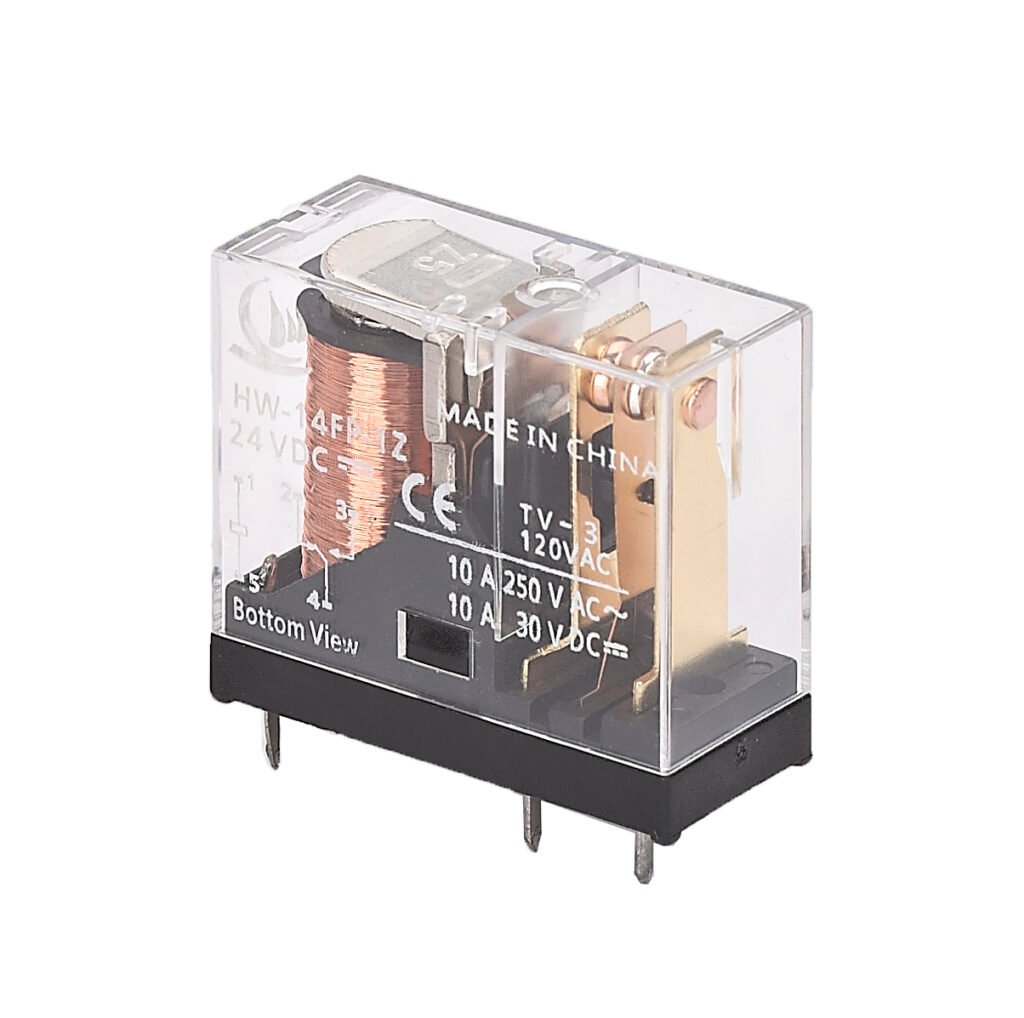
When the ignition is turned on, the HW-38F-3Z Power Relays coil is energized by a low‑current signal, pulling an armature that closes high‑current contacts and feeds stable power to the control module. If the ignition is off, the relay contact opens and stops battery power from reaching the PCM, preventing unnecessary drain.
Basic characteristics of PCM power relays
Feature
Description
Function
Switches battery power to ECM/PCM and related systems
Control side
Low‑current coil triggered by ignition or ECU signal
Load side
High‑current contacts supplying stable power to the PCM and sometimes fuel and ignition loads
Location
Typically in the under‑hood power distribution or fuse/relay box
Typical issues
Stuck open (no start) or stuck closed (battery drain, over‑powering ECM)
A failed PCM power relay can leave the PCM unpowered, causing a no‑start condition, loss of engine management, or intermittent stalling; if stuck closed, it can keep the module powered and drain the battery. For fleets and OEMs, that means a cheap part can create expensive downtime.
If you are evaluating PCM power relay suppliers or manufacturers for an automotive project, you can always send your drawings and volume forecast to get a tailored quotation and engineering review.
All power relays use an electromagnet, armature, contacts, and a spring to open and close circuits, but PCM power relays are optimized for feeding sensitive engine control electronics. General automotive power relays, on the other hand, may be dedicated to fans, pumps, lighting, or other auxiliary loads.
Key differences in application
Aspect
PCM Power Relay
General Power Relay
Main role
Supplies stable power to ECM/PCM and core engine management systems
Drives high‑current loads like fans, pumps, horns, wipers
Sensitivity
Must protect and reliably feed electronic control units
Primarily focused on handling load current
Impact of failure
Vehicle may not start or may lose engine control
Specific function stops (e.g., fan or pump won’t run)
Design priorities
Stable voltage, low contact resistance, long life with frequent key‑on cycles
Adequate current rating and thermal capacity
Naming
Often labeled PCM, ECM, main ECU relay
Labeled by load (fuel pump relay, fan relay, etc.)
In many modern vehicles there are over twenty power relays handling everything from windshield wipers to the powertrain system, and the PCM power relay is one of the most critical among them.
When comparing PCM power relay prices from different manufacturers or wholesalers, it is worth checking whether the part is truly designed as an ECU/PCM main relay or just a generic power relay re‑labeled for that function.
How PCM Power Relays Work in Vehicle Systems
A PCM power relay is part of a broader power distribution strategy in a vehicle. The main 12‑volt battery feeds the power distribution center, which contains fuses and relays that route power to individual systems, including the ECM/PCM.
When the driver turns the key (or presses the start button), a low‑current ignition or ECU output energizes the relay coil. The coil generates a magnetic field that pulls the iron armature, closing the contacts and connecting the battery input terminal to the PCM power terminal. This allows the engine control module to power up and manage fuel injection, ignition timing, emissions, and other subsystems in real time.
Typical PCM power path
Step
Event
Result
1
Ignition turned to ON or START
Low‑current signal energizes the PCM relay coil
2
Relay coil creates magnetic field
Armature moves and closes high‑current contacts
3
Contacts connect battery to ECM/PCM power input
Control module powers up and starts monitoring and controlling engine systems
4
Ignition turned OFF
Coil de‑energizes, armature returns via spring, contacts open
5
PCM loses power (except for any keep‑alive lines)
Prevents further power drain and shuts down engine management
Because the PCM relay acts as a gatekeeper for engine electronics, its internal contact design and coil characteristics must handle frequent switching and electrical noise while maintaining stable performance over many cycles. For B2B buyers, this is one reason why price should never be the only selection criterion when sourcing PCM power relay components.
If your team needs help reviewing a PCM power relay design for a new ECU platform, just share your load profile, voltage range, and lifetime requirements to receive a technical recommendation.
Key Features Buyers Should Evaluate
From a procurement or engineering perspective, selecting the right PCM power relay means balancing cost, performance, and risk. Beyond simple current and voltage ratings, you need to consider factors like contact material, coil power, environmental robustness, and integration into the power distribution module.
Evaluation criteria for PCM power relay suppliers
Criterion
What to Look For
Electrical rating
Adequate current and voltage for PCM and any additional loads, with sufficient safety margin
Contact performance
Low contact resistance, material suitable for frequent switching and inductive loads
Coil characteristics
Coil voltage, power consumption, and compatibility with ignition or ECU outputs
Protection strategy
Coordination with fuses in the power distribution center to avoid wire or module damage
Reliability and life
Tested electrical and mechanical life cycles appropriate for vehicle design goals
Environmental robustness
Resistance to vibration, temperature extremes, moisture, and contaminants typical of under‑hood locations
Traceability
Lot tracking, test data retention, and quality certifications suitable for OEM and tier‑1 supply chains
Because the PCM power relay directly affects safety‑critical systems, many OEMs prefer to work with manufacturers that offer full PPAP documentation, ISO/IATF certifications, and clear failure analysis support. Wholesalers and distributors serving aftermarket businesses also value consistent quality so they can minimize returns and warranty claims.
If you need bulk pricing or OEM customization for PCM relays – such as branding, special terminal layouts, or unique coil voltages – you can request a sample batch and pilot order before committing to large volumes.
Contact us for custom high-performancepower relays solutions tailored to your needs.
Typical Failures, Diagnostics, and Replacement Considerations
When a PCM power relay fails, the symptoms often resemble other electrical issues, so proper diagnosis is critical. Common failure modes include contacts stuck open, contacts welded closed, and intermittent coil faults caused by heat, vibration, or manufacturing defects.
A relay stuck open will not supply power to the ECM or PCM, which means the vehicle cannot start or may stall shortly after starting. A relay stuck closed may keep feeding power to the ECM even when the ignition is off, which can drain the battery over time.
Diagnostics and replacement points
Topic
Details
Typical symptoms
No‑start, intermittent stalling, loss of communication with PCM, or unexplained battery drain
OBD‑II related codes
Power relay control and sense circuit faults can trigger diagnostic codes in modern vehicles
Basic checks
Verify battery voltage, inspect fuses, test relay coil and contact continuity with a multimeter
Replacement practice
Use PCM relays with the same or better rating, form factor, and pinout as the original component
Specification upgrades
For severe environments, consider relays with enhanced sealing or higher temperature ratings
For large fleets and service networks, sourcing reliable PCM power relays from trusted manufacturers or wholesalers helps avoid repeated breakdowns and labor costs. Consistent quality also supports predictive maintenance strategies where relays are replaced before end of life.
Need a quote for thousands of PCM power relay pieces for your aftermarket catalog or OEM project? Share your annual demand and target regions to receive volume‑based prices and logistics options.
PCM Power Relay OEM Design and Customization Options
Vehicle manufacturers and system integrators often require PCM power relays that match specific packaging and performance needs. This opens opportunities for customization and OEM‑level design collaboration with relay manufacturers and specialized suppliers.
Custom PCM relay solutions can include modifications to the housing, terminals, coil voltage, internal contact design, and even combined integration into power relay modules. With miniaturization and multifunction integration trends in modern electronics, some relay designs combine multiple control functions in a compact form factor to reduce system complexity and cost.
Common customization parameters for PCM power relay manufacturers
Customization Item
Possible Options
Coil voltage
12 V, 24 V, or other system voltages depending on vehicle platform
Contact configuration
Normally open, dual contacts, or additional auxiliary contacts as required
Housing and terminals
Specific automotive connector standards, locking tabs, and mounting methods
Environmental sealing
Open, splash‑proof, or fully sealed designs for harsh under‑hood conditions
Functional integration
Combining PCM power relay with other relay or fuse functions within a power module
Branding and marking
OEM part numbers, logo printing, QR codes for traceability and stock management
For B2B buyers, working directly with PCM relay manufacturers rather than only through wholesalers can provide better flexibility on engineering changes, MOQ for customized versions, and long‑term availability planning. However, distributors and global suppliers may offer broader stock, multiple brands, and shorter lead times, which is attractive for aftermarket and maintenance operations.
If your company is planning a new ECU platform or vehicle refresh, early engagement with PCM power relay suppliers can lock in better prices and optimized designs before tooling and harness layouts are frozen.
FAQ
What exactly does a PCM power relay control in a car?
A PCM power relay supplies battery power to the engine or powertrain control module and, in some designs, related systems such as fuel and injection control, timing, and emissions functions.
How is a PCM power relay different from other automotive relays?
While many automotive relays drive loads like fans, pumps, or lights, the PCM power relay is dedicated to powering the ECM/PCM and ensuring stable voltage for engine management electronics, making its reliability especially critical.
What happens if the PCM power relay fails open or closed?
If it fails open, the ECM cannot receive power, leading to a no‑start or sudden engine shutdown; if it fails closed, the ECM can remain powered with the ignition off, which may drain the battery.
What should engineers consider when specifying a PCM power relay for a new platform?
Key points include electrical ratings, contact materials, coil voltage and power, environmental robustness, coordination with fuses, and the supplier’s quality and traceability capabilities.
Can PCM power relays be customized for OEM or large‑volume buyers?
Yes, many manufacturers offer customization in coil voltage, housing and terminals, sealing level, and functional integration, especially for OEM, tier‑1, and high‑volume fleet projects.
Welcome to HW Relay knowledge hub! If you’re in the market for reliable control solutions or simply want to keep your procurement team savvy, understanding the ins and outs of both PCM Power Relays and main relays can give you a real edge. It’s a question that keeps popping up in engineer forums and RFP discussions: What exactly […]
A Power Relay is a critical electrical device that acts as a switch, allowing a low-power circuit to control a high-power circuit safely and efficiently. Think of it as a middleman that controls heavy machinery or electrical loads without needing you to manually flip a switch every time. Power relays are extensively used in industrial […]
In the fast-moving world of industrial automation, reverse power relay are small but crucial components that safeguard generators and parallel power systems. If you’re an engineer, electrical system designer, or purchasing manager, understanding how this device works—and how to select the right one—can help you prevent expensive downtime, hazardous faults, and unnecessary wear on your equipment. Let’s explore what makes […]
We use cookies to enhance your browsing experience, serve personalised ads or content, and analyse our traffic. By clicking "Accept All", you consent to our use of cookies.
Get a Free Quote
Your email information is completely secure and will not be disclosed to third parties for any reason.
Interested In Our Relay Products?
Get the latest product brochures and technical data.