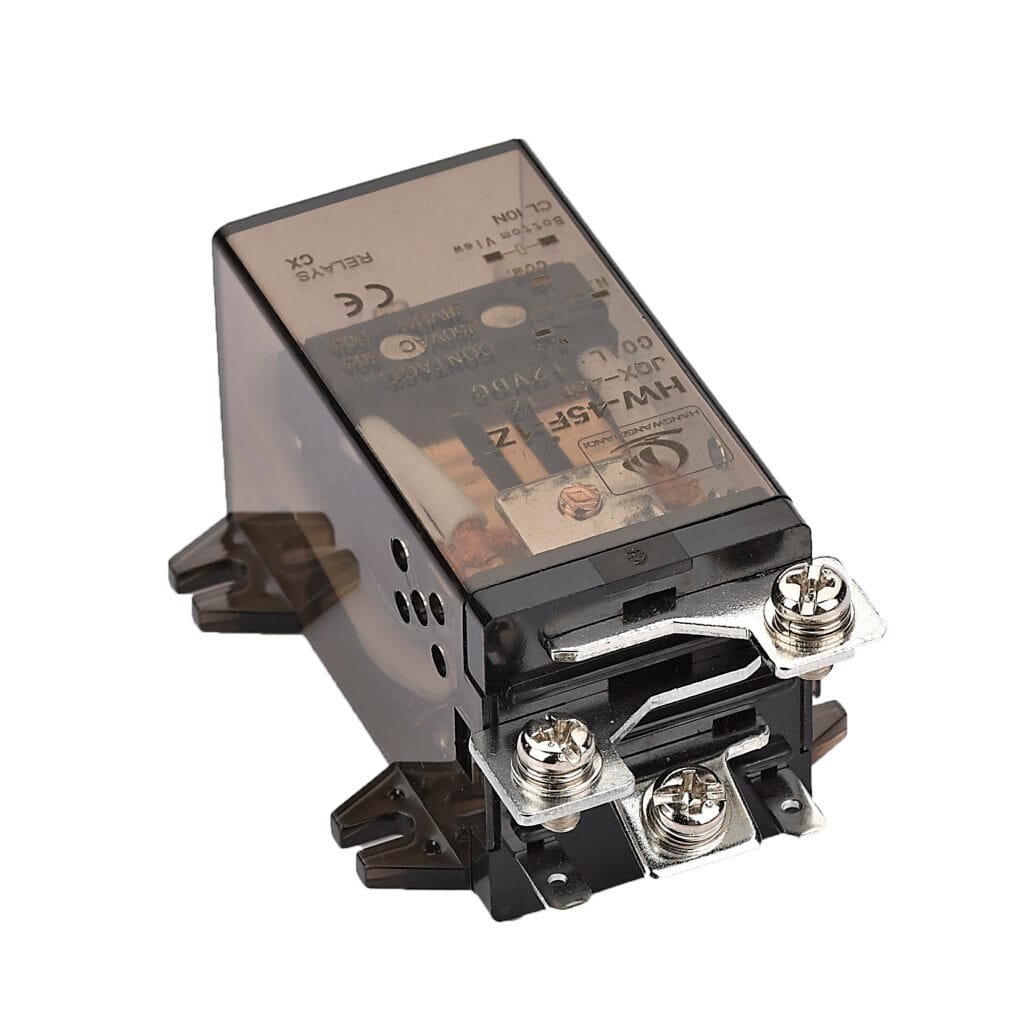
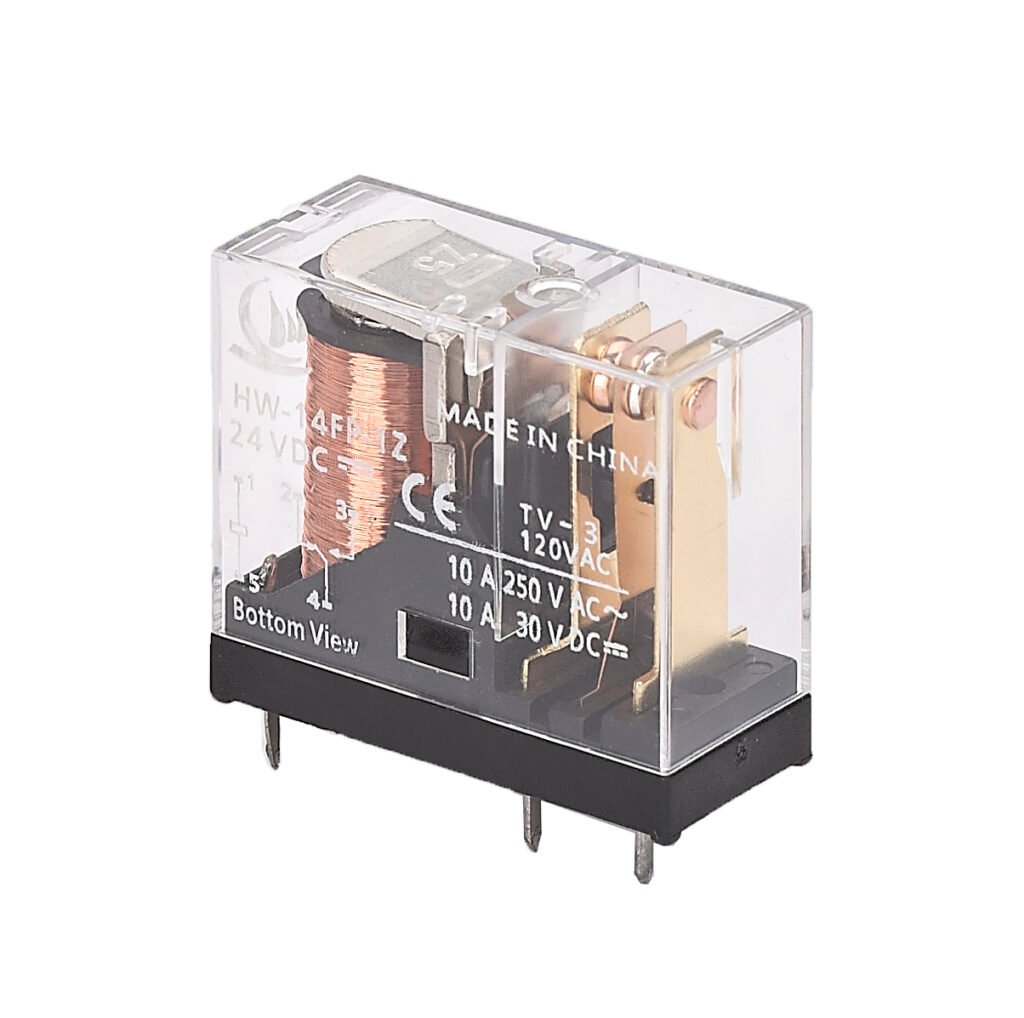
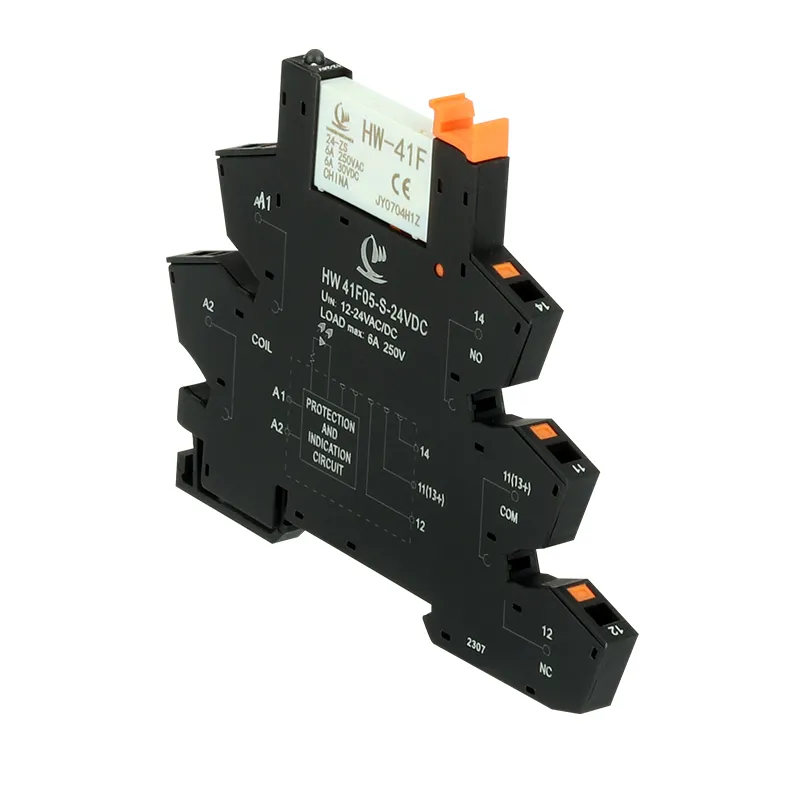
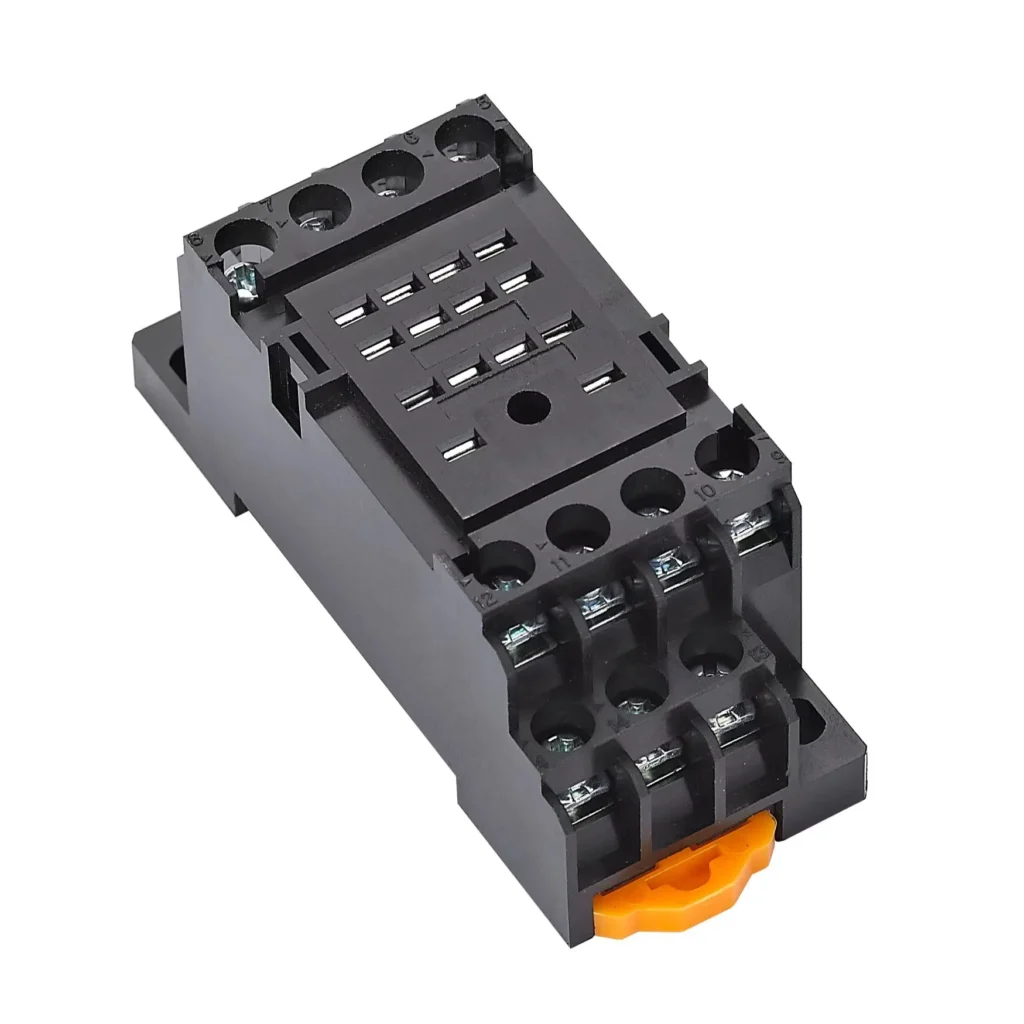
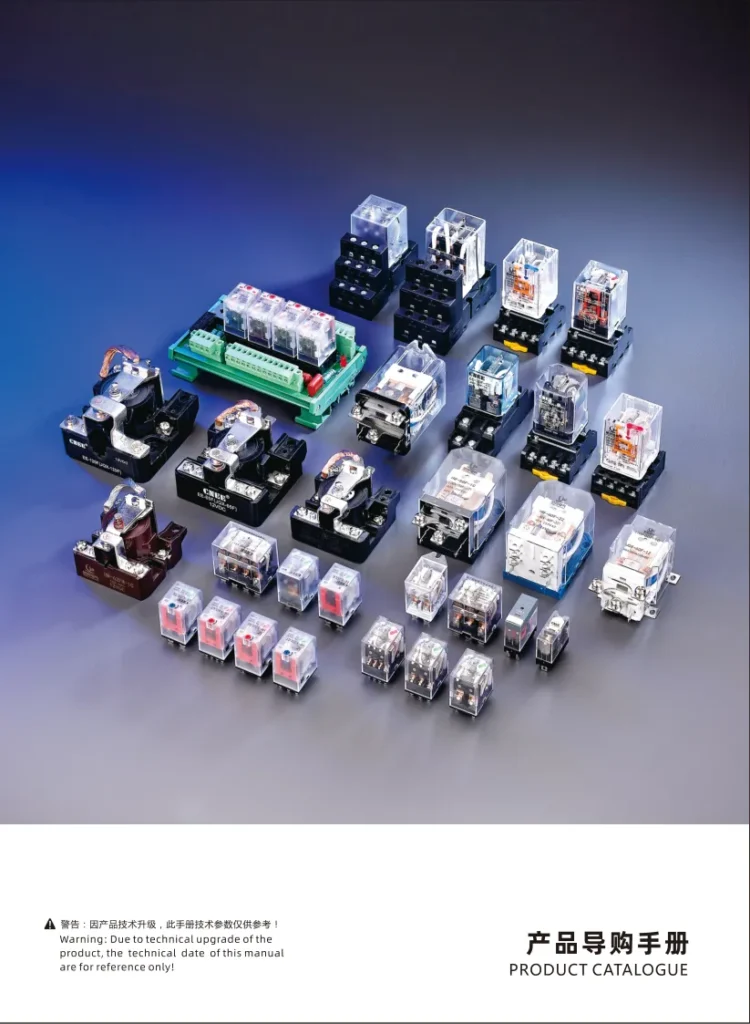
Welcome to HW Relay knowledge hub! If you’re in the market for reliable control solutions or simply want to keep your procurement team savvy, understanding the ins and outs of both PCM Power Relays and main relays can give you a real edge.
It’s a question that keeps popping up in engineer forums and RFP discussions: What exactly makes a PCM relay different from a main relay? Today, let’s clear the fog, highlight real application scenarios, and equip you with practical selection tips—whether you’re sourcing for the automotive line or an industrial automation project.
Understanding the PCM Power Relay
A PCM Power Relay isn’t just another relay in the system—it’s a vital bridge connecting the engine electronics to the actual electrical power they need. “PCM”stands for Powertrain Control Module. This module is the brains of modern automotive (and even some industrial) systems, housing the logic for engine control, transmission behavior, and emissions management.
When we talk about a PCM Power Relay, we typically refer to the relay responsible for connecting high-power circuits—like fuel pumps, ignition systems, or electronic control units (ECUs)—to their power source, based on the PCM instructions. Think of it as the gatekeeper: only allowing current to flow when it receives the right “command.”
Key Roles of a PCM Power Relay:
Activates and deactivates essential ECUs in precise sequence.
Ensures on-demand power delivery for safe startup and shutdown.
Prevents battery drain and accidental energizing of sensitive circuits.
Blog topics trending in this area, and useful for your SEO breadth, include PCM relay function in cars, engine control relays, and high current automotive relays.
PCM Power Relay Specifications Table
Specification
Typical Range
Why It Matters
Coil Voltage
12V, 24V DC
Matches vehicle or machinery system
Contact Rating
30A–70A
Supports high-start currents
Temperature
–40°C to +125°C
Handles extreme environments
Switching Type
Normally open (NO)
Prevents accidental energizing
Selecting the right PCM relay means matching specs to your environment, ensuring both safety and efficient response. That’s something HW Relay can help with—why not reach out if your application demanding?
What Is a Main Relay?
If the PCM relay is a specialized guard, a main relay is the “master switch” for your system. In automotive contexts, the main relay often powers the primary circuits that keep the engine running: ignition, injectors, and even the PCM itself. In industrial automation, you’ll find main relays distributing supply safely to pumps, motors, heaters, and other loads.
Main Relay Roles:
Switches the entire vehicle or equipment circuit on or off.
Provides stable voltage to core systems at engine or process start-up.
Acts as a key safety point, cutting off power during faults or emergencies.
When it comes to product research, “automotive main relay versus ECU relay” and “main relay for control panel” are great long-tail keywords, speaking directly to B2B decision-makers.
Types of Main Relays Table
Type
Application Segment
Current Rating
Notable Features
Standard Main Relay
Automotive, machinery
30A–50A
Most common, robust design
Heavy-Duty Relay
Trucks, industrial
60A–100A
Larger contacts for heavy cycles
Solid-State Relay
EVs, advanced panels
Variable
No moving parts, silent/fast ops
A solid main relay forms your equipment’s foundation for reliability. Trying to maximize uptime? Choose models with proven endurance from an OEM supplier like HW Relay.
PCM Power Relay vs. Main Relay – Key Differences
Even experienced buyers sometimes wonder: “Why can’t I use one for both jobs?” It mostly about architecture and sequence—the relays are coordinated for safety, precision, and power management.
Key Differences at a Glance
Feature
PCM Power Relay
Main Relay
Function
Activates specific ECUs, fuel, ignition lines
Feeds all power to core systems
Control Signal Source
PCM/ECU logic
Ignition switch or central processor
Activation Timing
After system initializes
At very first ignition or start-up
Location
Near the PCM or ECU block
Typically in fuse box or power panel
Durability Focus
Precision, minimal contact bounce
High current, heat-resistant materials
Feedback/Signal
Often diagnostic (monitored by ECU)
Basic, sometimes open/closed detection
In Practice: When you turn the key (or press “Start”), the main relay typically supplies power to the system, waking up essential ECUs. Then, based on safety checks, the PCM relay selectively enables ignition or injectors. This sequence prevents dangerous misfires, sluggish startups, or excessive energy waste.
Application Scenarios – When to Use Each
Automotive Use
Main Relay: Acts as the first responder, powering ignition, the PCM, and dashboard electronics.
PCM Power Relay: Activates corners of the system like fuel pumps only when the PCM knows all sensors are in check.
Industrial Automation
Main Relay: Distributes electricity to entire panel components—think motors, heaters, or fans.
PCM Power Relay: Used for logic-driven tasks like energizing pump controls or providing selective power to PLCs.
Comparison Table: Automotive vs. Industrial Applications
Application
Main Relay
PCM Power Relay
Car Engine System
Ignition power, dashboard
Fuel pump, engine injector control
Industrial Oven
Heaters, fans
Selective thermostat on/off
Assembly Line
Conveyor belts, safety interlocks
PLC or computer-driven switching
Still unsure which style your build needs? Don’t hesitate—HW Relay’s tech team can walk you through load calculations and application case studies. Drop us an inquiry today and get your next project off to a strong start.
How to Choose the Right PCM Power Relay
Choosing the proper relay can save engineers hours of troubleshooting, while procurement teams reduce returns and downtime. Here’s what to consider:
Voltage Rating: Must match your application’s system voltage (12V, 24V, or higher for heavy industrial).
Current Capability: Check both inrush (startup) and sustained (operating) loads to prevent overheating or early failure.
Endurance: Look for life-cycle ratings, especially for high-cycling environments.
Environmental Sealing: Consider moisture, dust, vibration, or temperature extremes—sealed relays cost more but may pay off in life expectancy.
Certifications: Especially if you’re supplying to automotive OEMs or industrial integrators, verified compliance (ISO, CE, UL) is a big plus.
Supplier Support: Responsive technical advice and sample availability speed up evaluation. HW Relay offers custom solutions and datasheets on request.
Are you looking to refine your parts list or maximize machine uptime? HW Relay can provide sample support and OEM pricing for qualifying projects. Get in touch for your quote!
Troubleshooting and Maintenance Basics
When system failures pop up, relays often get the first blame. Here’s how you can verify and swap out problematic parts without delay.
Symptoms of Failure:
Engine or process won’t start.
Clicking sounds but no circuit engagement.
Intermittent power, possibly accompanied by warning lights or error codes.
Testing Tips:
Swap suspected relays with known good units (quick isolation method).
Use a multimeter to check for coil actuation and contact continuity.
Inspect for corrosion, overheating, or loose terminals—common in high-vibration sites.
Maintenance Strategies:
Keep relay boxes dry and clean—moisture is the enemy.
Specify relays with anti-vibration mounts for mobile/industrial applications.
Replace before scheduled cycles if failures are predictable.
Future Trends in Power Relays
Staying ahead of the technology curve is essential for modern automotive and manufacturing teams. Here’s what’s next for power relay development:
Solid-State PCM Relays: With zero moving parts and lightning-fast response times, solid-state designs boost reliability and enable clever diagnostics—especially vital in electric and hybrid vehicles.
Smart Diagnostic Relays: Already on the horizon, some relays can feed performance data directly back to ECUs, allowing predictive maintenance and system optimization.
Miniaturization: Space savings are being achieved without sacrificing current capacity. This opens new use cases in compact vehicles and robot panels.
HW Relay invests continuously in R&D—expect more “intelligent” relay solutions and robust, energy-efficient designs to appear in upcoming catalogs.
Understanding the distinction between PCM Power Relays and main relays isn’t just academic—it impacts system design, maintenance budgets, and end-user happiness. Main relays open the gate, supplying power right when and where you need it. PCM Power Relays bring intelligence, precision, and fail-safes into play, powered by insights from the vehicle or machine’s own controller.
Both are crucial, but the right choice—and quality—matters for your application. Looking for OEM-grade, customizable relays that keep your plant, fleet, or production line humming? HW Relay is ready to help—contact us now and power up your next success story.
FAQ
What does a PCM Power Relay do in a car?
It provides controlled power to the ECU, ignition, fuel pump, and other electronics managed by the Powertrain Control Module.
Can a main relay and PCM relay be the same part?
In some systems, they are separate; in others, one relay combines both functions, but specialized designs are preferred for reliability.
What happens if a PCM relay fails?
The vehicle may experience no-start conditions, failed fuel pump activation, or engine cutoffs.
How long does a PCM Power Relay typically last?
Quality relays last over 100,000 switching cycles depending on working load and environment.
Where can I source reliable PCM Power Relays?
You can purchase certified, automotive-grade PCM Power Relays directly from HW Relay.
Power relay switch is the “muscle” of an electrical control system, turning heavy loads on and off safely while your PLC, controller, or IoT module only handles tiny signals. For B2B buyers in industrial automation, HVAC, new energy, telecom, or power distribution, understanding how a power relay switch works, what components matter, and how it […]
Have you ever felt confused by Industrial Relay contact symbols when designing industrial automation systems? Or hesitated during selection, unsure which contact type best fits your project? Don’t worry—this article will take you on a deep dive into Industrial Relay Contact types, symbols, and their specific roles and advantages in industrial applications. By mastering these essentials, you’ll […]
When someone types “Power Relay 40A, Dual Contacts, Rail Mount”, they not trying to write a PhD thesis. They want a relay that can survive real‑world loads, fit in a crowded control cabinet, and be easy enough for the wiring team not to swear at it. HW‑40F‑2Z sits exactly in that spot: a 40A power […]
We use cookies to enhance your browsing experience, serve personalised ads or content, and analyse our traffic. By clicking "Accept All", you consent to our use of cookies.
Get a Free Quote
Your email information is completely secure and will not be disclosed to third parties for any reason.
Interested In Our Relay Products?
Get the latest product brochures and technical data.