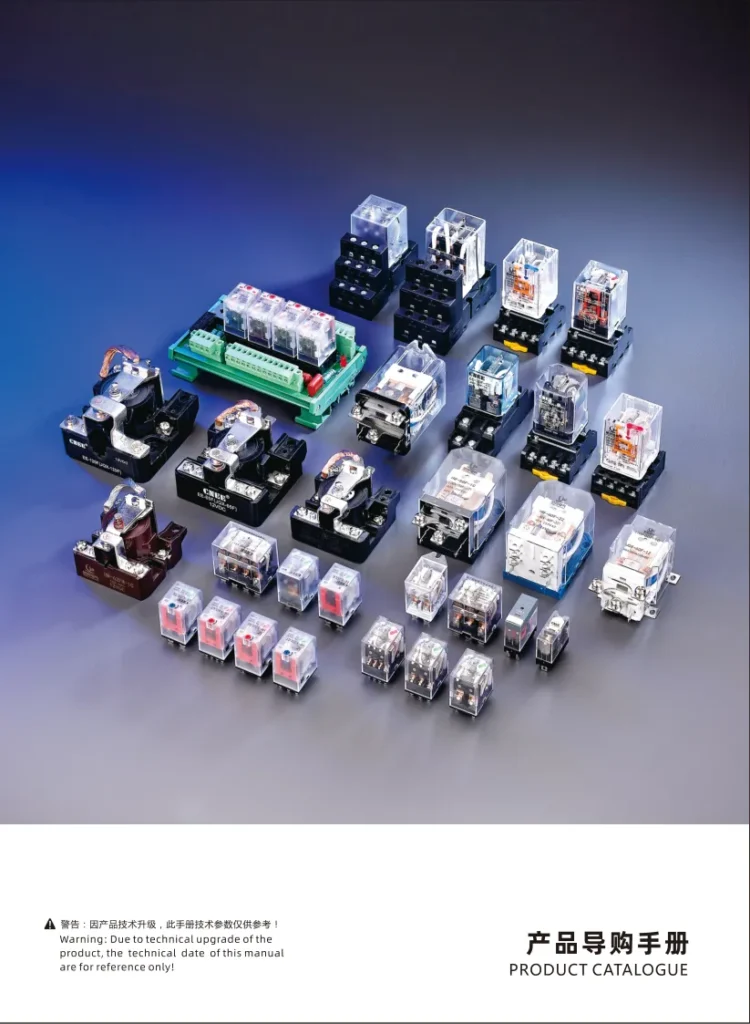
In the fast-moving world of industrial automation, reverse power relay are small but crucial components that safeguard generators and parallel power systems. If you’re an engineer, electrical system designer, or purchasing manager, understanding how this device works—and how to select the right one—can help you prevent expensive downtime, hazardous faults, and unnecessary wear on your equipment.
Let’s explore what makes reverse power relays so important, how they operate, and what to consider before integrating one into your system.
What Is a Reverse Power Relay?
A reverse power relay (RPR) is a protective device designed to monitor the flow of active power in a generator or alternator. When a generator runs in parallel with another power source (like the main grid or another generator), it’s vital that power moves in the right direction—from the generator out to the load.
If a generator starts absorbing power instead of delivering it, it effectively becomes a motor—a dangerous and costly scenario known as reverse power flow.
An RPR detects this energy reversal by sensing the direction of power flow and trips the circuit breaker if reverse current exceeds a certain threshold, typically around 2–10% of the generator’s rated power.
Here’s a quick way to visualize it:
Parameter
Description
Example Range
Setting Range
Adjustable reverse power percentage
2% – 10%
Trip Delay
Time before tripping after detection
1 – 5 seconds
Sensing Voltage
Operational input voltage
110V / 220V AC
Contact Rating
Trip output capacity
5A @ 250V AC
Applications
Generator protection, marine systems, microgrids
Various
By installing an RPR, engineers ensure that a generator instantly disconnects from the network the moment reverse power flow occurs, protecting both equipment and people.
Reverse power conditions often trace back to operational or mechanical issues. In heavy industrial environments or marine generator systems, even a small imbalance can trigger a costly event. Here are a few common causes:
Loss of engine drive power: If the prime mover (like a diesel engine) stalls, the generator continues connected to the grid, causing power to reverse direction.
Synchronization errors: During parallel operation, improper synchronization can cause one generator to motorize.
Governor failures: A malfunctioning or poorly tuned governor can lead to unstable power sharing.
Load sharing imbalance: In multi-generator setups, uneven load distribution may cause one generator to draw power instead of supply it.
Knowing these causes helps system designers plan redundancy and choose durable reverse power relay protection solutions.
Working Principle of Reverse Power Relay
To understand the magic behind an RPR, think of it as a smart “traffic cop” for electrical power.
An RPR uses a power directional relay circuit configured to compare current and voltage phase angles. When power flows in the normal direction, the angle between voltage and current is within an expected range. If the angle flips—indicating reverse flow—the relay detects this shift and activates its tripping circuit.
The operating principle can be summarized as follows:
Monitoring: The relay constantly measures input voltage and current.
Phase angle detection: The relay analyzes the phase difference between current and voltage.
Decision: If the phase indicates reverse power beyond a preset limit, the relay energizes a trip contact.
Tripping action: The circuit breaker opens, isolating the generator from the system.
This all happens within a few seconds—fast enough to prevent mechanical damage or grid instability.
Reverse Power Relay Applications
Reverse power relays are used anywhere synchronous generators or alternators operate in parallel with other sources. Below are typical settings:
Application Area
Key Function
Industry Example
Power plants
Prevent generator motoring
Combined heat and power stations
Marine vessels
Protect diesel generators
Shipboard power systems
Industrial automation systems
Stabilize parallel operations
Manufacturing factories
Microgrids and renewable systems
Manage distributed generation
Solar-diesel hybrid setups
Data centers
Ensure critical power reliability
Backup generator systems
Their ubiquity across energy-intensive sectors shows why buyers seek reliable reverse power relays with fast response, adjustable trip levels, and accurate sensing.
Contact us for custom high-performance power relays solutions tailored to your needs.
Choosing to integrate a reverse power relay into your electrical system isn’t just about meeting safety standards—it’s a smart business decision. Here’s why:
Protects valuable assets: Prevents damage to generators and prime movers.
Reduces downtime: Fast tripping avoids mechanical failures that cause extended shutdowns.
Ensures stable operation: Maintains balance during synchronization and load sharing.
Complies with safety codes: Many international standards (like IEC and IEEE) require reverse power protection.
Easy integration: Modern RPRs are compact, DIN-mounted, and compatible with common control systems such as PLCs.
If you’re sourcing for reverse power relay manufacturers or wholesale suppliers, look for certifications and test reports—this ensures the devices meet global reliability standards.
How to Select the Right Reverse Power Relay
Selecting the proper model depends on your application parameters. Here’s a quick checklist for engineering and purchasing teams:
Selection Criteria
Description
Buyer Tip
Rated voltage & frequency
Must match system specs
Common: 110/220V, 50/60Hz
Trip setting range
Choose adjustable range for flexibility
Typically 2–10% reverse power
Mounting style
DIN-rail, panel, or flush mounting
Match to switchboard design
Response time
Fast trip for critical applications
Choose <3 seconds
Certifications
IEC / ISO / CE
Essential for international bids
Supplier support
Offers customization & tech documentation
Ideal for OEM projects
For OEM and panel builders, investing in customizable RPR models can streamline standardization across multiple projects.
Need help selecting the right reverse power relay for your system? Contact our technical team today to request a specification sheet or sample quote.
Common Mistakes to Avoid
Even well-designed systems can fail if overlooked details creep in. Watch out for these pitfalls:
Ignoring calibration: Without periodic testing, relay trip points may drift.
Improper wiring: Incorrect polarity on current transformers can cause false trips.
Oversized settings: If trip settings are too high, the relay might miss smaller reverse currents.
Lack of redundancy: Always combine RPR with other protection devices like reverse current relays or power meters.
A small amount of preventive maintenance saves massive repair costs later—especially in critical power applications like hospitals or offshore platforms.
The Future of Reverse Power Protection
With the growth of smart grids, renewable energy integration, and hybrid power systems, reverse power relays are evolving too. Modern models feature:
Digital microprocessor technology
Modbus/RS485 communication for SCADA integration
Event logging for data analysis
Self-diagnostics for predictive maintenance
As power systems become more interconnected and automated, intelligent reverse power protection will play an increasingly vital role in achieving both safety and efficiency.
The reverse power relay may be a compact component, but its function is indispensable in preventing generator damage, ensuring synchronization safety, and maintaining grid stability. Whether you’re managing a power plant, designing a marine system, or overseeing industrial automation, investing in a reliable RPR translates directly to smoother operations and lower costs.
If you’re looking to source high-quality reverse power relays for industrial or marine applications, our engineering team can help you find the right model—complete with documentation, certification, and fast delivery. Send us your inquiry today to get a competitive quote!
FAQ
What is the main purpose of a reverse power relay?
A reverse power relay protects a generator from motoring by tripping the circuit when power starts to flow in the reverse direction.
Can I use one reverse power relay for multiple generators?
Each generator in a parallel system needs its own RPR to ensure independent trip protection.
What’s the typical reverse power trip setting?
Usually between 2–10% of rated generator power. Exact settings depend on engine characteristics.
Does a reverse power relay need maintenance?
Yes. Regular testing and calibration should be performed during scheduled maintenance.
Where can I buy industrial-grade reverse power relays?
You can purchase certified models from professional suppliers or request a quotation directly from our sales department for OEM and bulk orders.
Understanding Relay Modules Relay modules are compact circuit boards housing one or more relays, typically rectangular in shape. These modules come in various configurations, accommodating 2, 4, 8, or even up to 16 relays. Beyond the relay units, these modules incorporate additional components such as indicator LEDs, protection diodes, transistors, and resistors. At the heart […]
When someone types “Power Relay 40A, Dual Contacts, Rail Mount”, they not trying to write a PhD thesis. They want a relay that can survive real‑world loads, fit in a crowded control cabinet, and be easy enough for the wiring team not to swear at it. HW‑40F‑2Z sits exactly in that spot: a 40A power […]
Power relays are the workhorses that sit between your low‑voltage control logic and your high‑power loads, making sure motors, heaters, power supplies, and industrial machines switch safely and reliably on command. For B2B buyers, choosing the right power relay is not just a technical decision; it directly impacts safety approvals, maintenance cost, energy efficiency, and […]
We use cookies to enhance your browsing experience, serve personalised ads or content, and analyse our traffic. By clicking "Accept All", you consent to our use of cookies.
Get a Free Quote
Your email information is completely secure and will not be disclosed to third parties for any reason.
Interested In Our Relay Products?
Get the latest product brochures and technical data.