Looking for a reliable solution to manage your vehicle’s electrical system? The ECM power relay is a key component in modern automotive and industrial applications, ensuring efficient power delivery and control. Whether you’re sourcing parts for fleet maintenance, automotive repair, or industrial automation, understanding the role and benefits of ECM power relays can help you make smarter purchasing decisions and improve system reliability.
What Is an ECM Power Relay?
An ECM power relay is an electrically operated switch that controls the power supply to the Engine Control Module (ECM). It acts as a bridge between the vehicle’s battery and the ECM, turning on or off the power flow as needed. When the ignition key is turned, the relay activates, allowing the ECM to manage engine functions such as fuel injection, timing, and emissions control.
If the ECM power relay fails, the ECM will not receive power, which can prevent the vehicle from starting or operating properly. This makes it a critical component for automotive B2B buyers who value reliability and uptime.
How ECM Power Relays Work
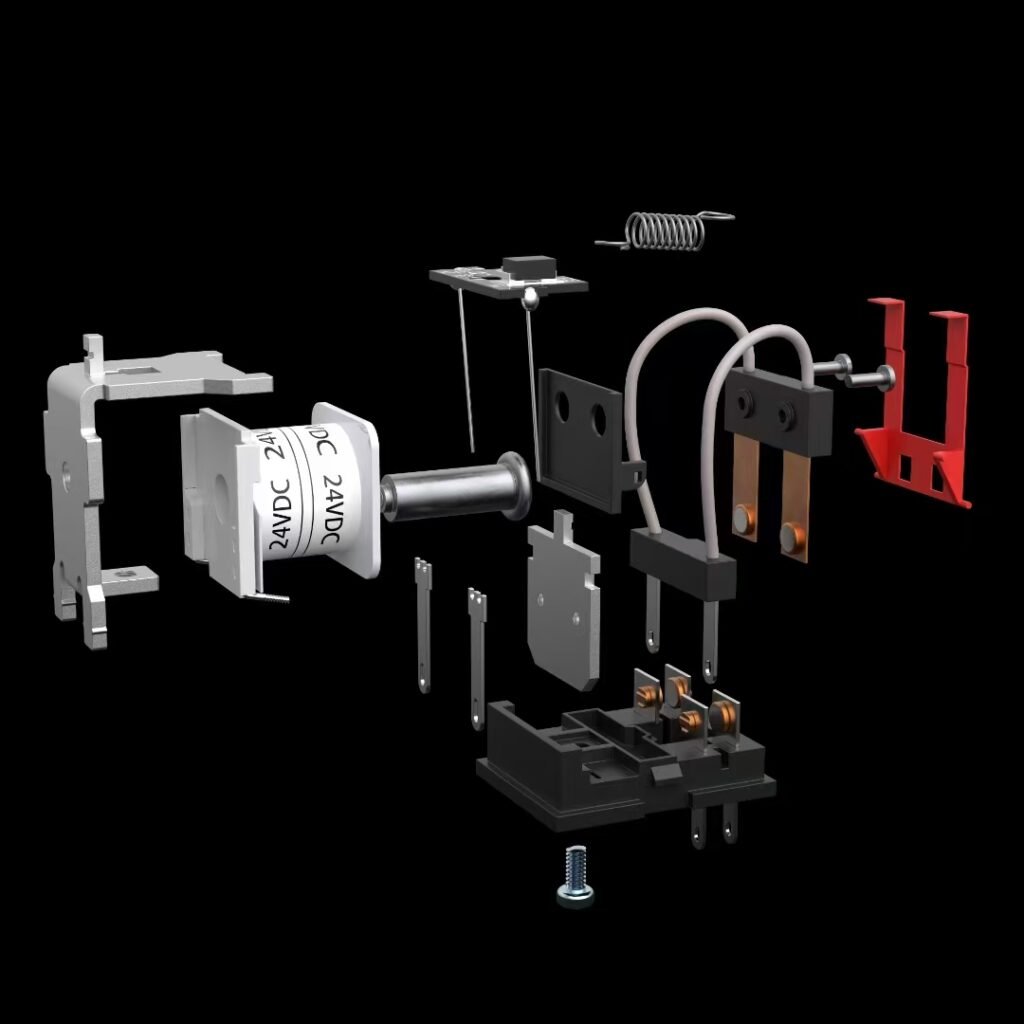
The operation is simple yet effective. When the ignition is turned on, a small current flows through the relay’s coil, creating a magnetic field that closes the relay’s contacts. This allows a much larger current to flow from the battery to the ECM, powering the engine’s control systems.
When the ignition is turned off, the coil is de-energized, and the contacts open, cutting power to the ECM. This prevents unnecessary battery drain and protects the system from electrical faults.
Common Applications of ECM Power Relays
ECM power relays are widely used across several industries. Here’s where you’ll find them most often:
Automotive: Engine control modules, fuel systems, emission controls, and vehicle diagnostics.
Industrial Automation: Control panels, robotics, and production lines.
Renewable Energy: Solar inverters, wind turbines, and battery management systems.
HVAC Systems: Heating, ventilation, and air conditioning units.
EV Charging Equipment: Electric vehicle charging stations and infrastructure.
If your business deals with any of these sectors, investing in quality ECM power relays can boost your product’s reliability and customer satisfaction.
ECM Power Relay vs. Other Relay Types
Relay Type
Typical Use
Pros
Cons
ECM Power Relay
Automotive, industrial
High current, reliable, compact
May need replacement over time
Signal Relay
Control circuits, data
Low power, fast switching
Not for high current
Latching Relay
Memory circuits, low power
No power needed to hold state
More complex control
Plug-in Relay
Easy maintenance, industrial
Easy to replace, versatile
Larger size
Why Choose ECM Power Relays for Your Business?
Key Features and Benefits
High Reliability: Designed for harsh environments, ECM power relays ensure consistent performance in automotive and industrial settings.
Energy Efficiency: Modern relays minimize power consumption and heat generation, which is crucial for systems running continuously.
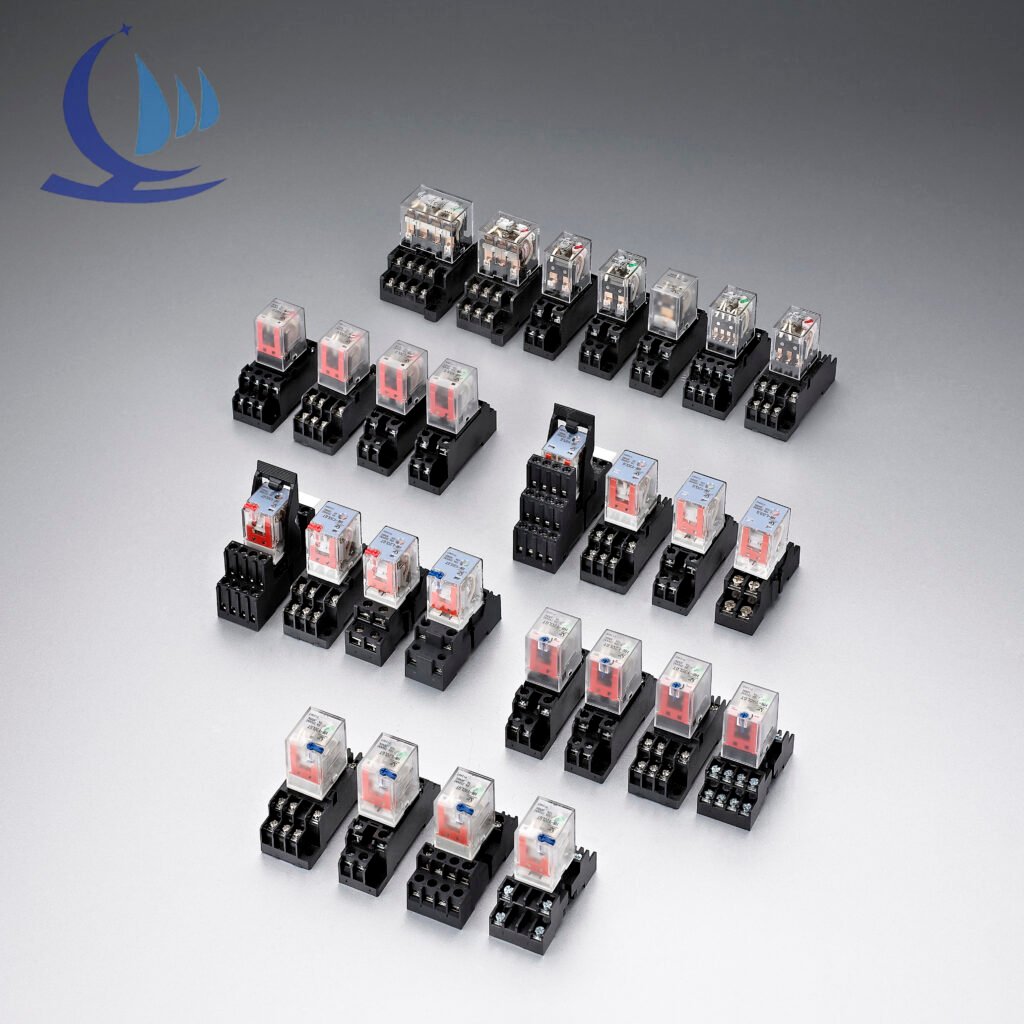
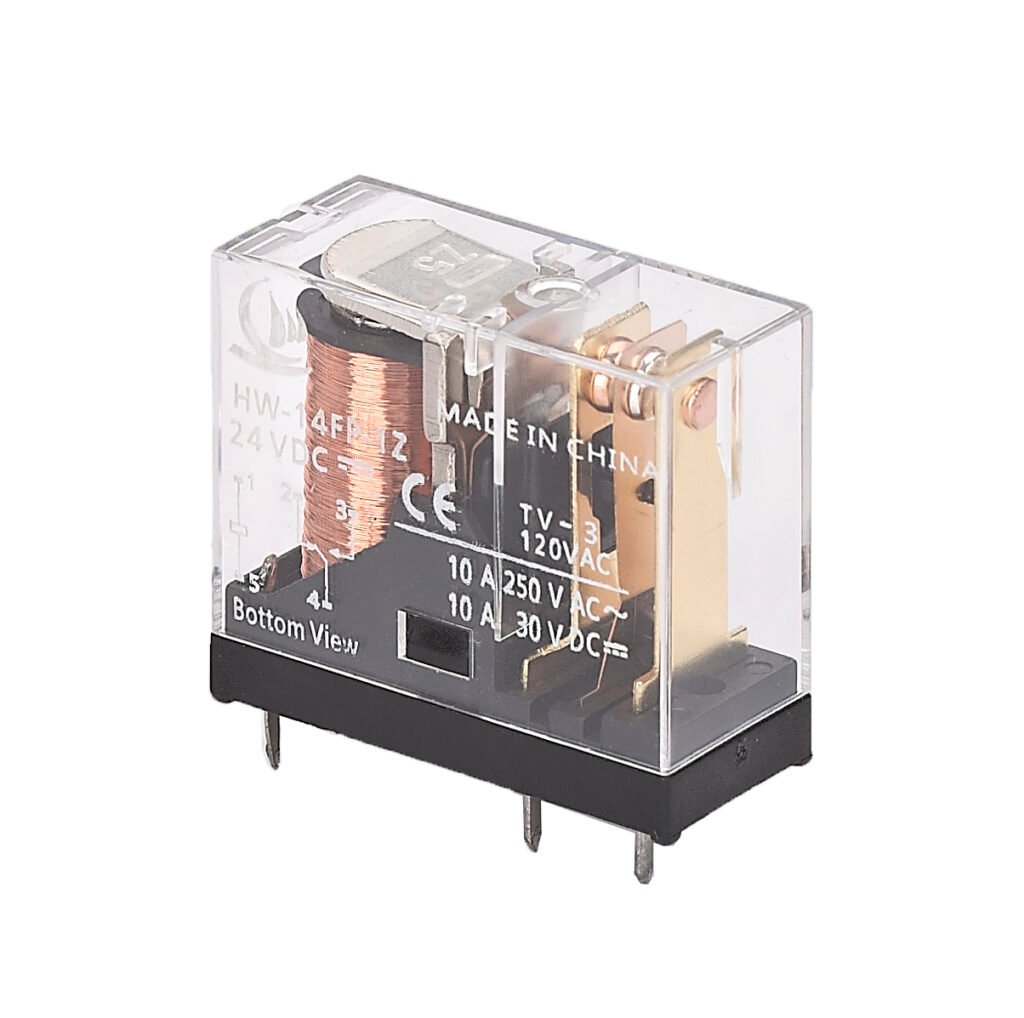
Easy Integration: Available in various form factors, including PCB mount versions, making installation simple for OEMs and aftermarket suppliers.
Safety and Protection: Prevents battery drainage and protects sensitive electronics from overcurrent or short circuits.
Feature
Benefit
High Current Handling
Supports demanding loads in automotive and industrial systems
Remote Activation
Enables control from a distance, ideal for automation
Low Power Consumption
Reduces energy costs and heat buildup
Durable Construction
Built to last in tough environments
Choosing the Right ECM Power Relay
Not all relays are created equal. When sourcing ECM power relays for your business, consider these factors:
Current Rating: Make sure the relay can handle the maximum current required by your application.
Voltage Compatibility: Check that the relay matches your system’s voltage specifications.
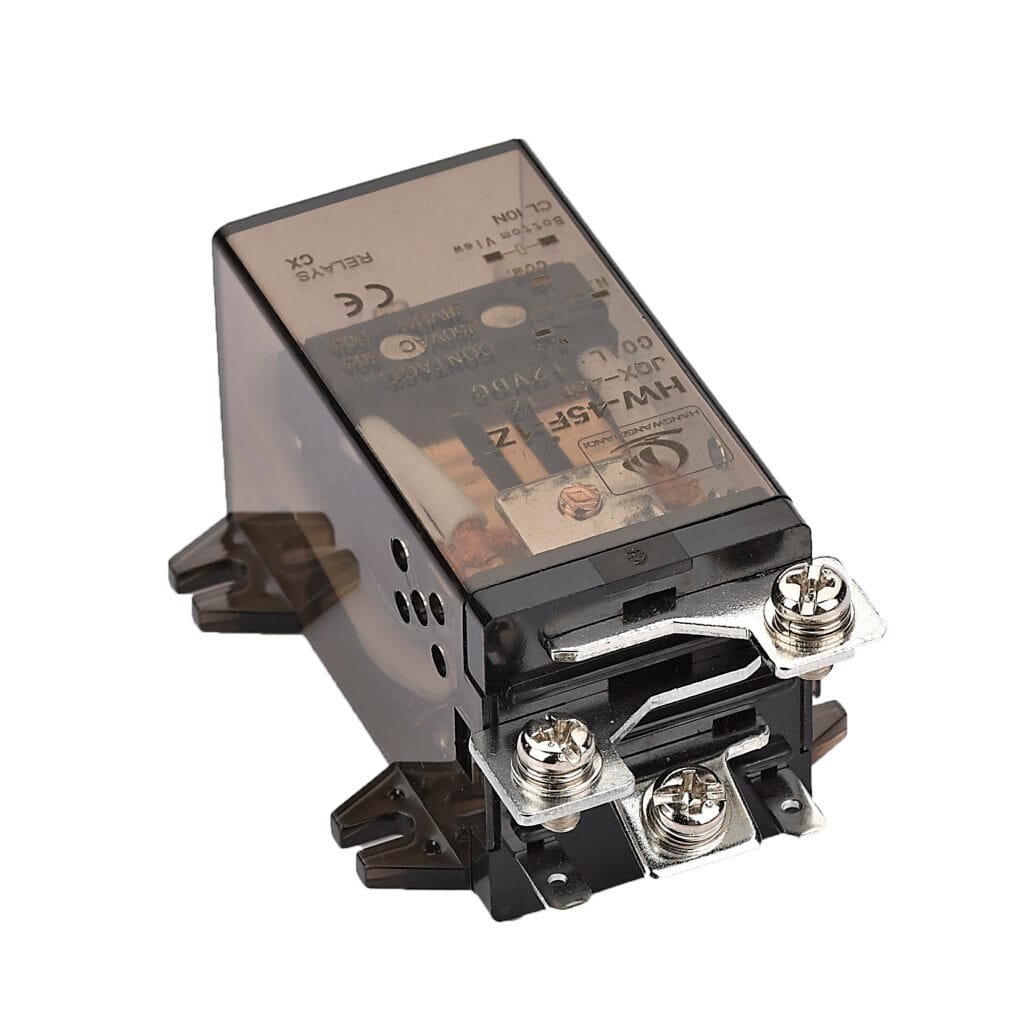
Mounting Type: PCB mount, plug-in, or panel mount—choose based on your installation needs.
Environmental Resistance: Look for relays rated for temperature, humidity, and vibration resistance if used in harsh conditions.
Specification
Typical Value
Maximum Current
30A–100A
Voltage Range
12V–24V (automotive)
Mounting Type
PCB, Plug-in, Panel
Operating Temperature
-40°C to +85°C
Tips for Selecting the Right ECM Power Relay
Match Specifications: Ensure the relay’s current and voltage ratings match your system’s requirements.
Consider Environment: Choose a relay designed for your operating conditions (temperature, humidity, etc.).
Check Compatibility: Make sure the relay is compatible with your control system and wiring.
Review Certifications: Look for safety and quality certifications to ensure reliability.
Common Problems and Solutions
Even the best ECM power relays can fail due to wear, overheating, or electrical surges. Here are some common issues and how to address them:
No Power to ECM: Check the relay for damage or corrosion. Replace if necessary.
Intermittent Operation: This could be due to loose connections or a failing coil. Inspect wiring and test the relay.
Overheating: Ensure the relay is rated for your system’s current and is properly ventilated.
ECM power relays play a vital role in ensuring the smooth operation of automotive and industrial systems. By choosing the right relay for your needs, you can enhance reliability, efficiency, and safety. If you’re looking for a trusted supplier or need help selecting the best relay for your application, don’t hesitate to contact us for expert advice and competitive pricing. Let’s power your business together!
Ready to upgrade your system with reliable ECM power relays? Contact us now for a tailored solution that meets your business needs.
FAQ
What happens if the ECM power relay fails?
The ECM won’t receive power, so the vehicle or system won’t start or operate correctly.
Can I replace an ECM power relay myself?
Yes, if you have basic automotive or electrical skills. However, professional installation is recommended for complex systems.
Are ECM power relays compatible with all vehicles?
No. Always check the relay’s specifications and compatibility with your vehicle or equipment.
Where can I buy reliable ECM power relays?
Reputable suppliers and distributors offer high-quality relays for automotive and industrial applications. Feel free to reach out for a quote or product recommendation.
Solid state relays (SSRs) are crucial components in switching circuits, but they can encounter issues. This guide will help you understand, identify, and resolve common SSR problems, ensuring your equipment operates smoothly. What is a Solid state relays and How it Works? Solid state relays are electronic switches that use semiconductors to control circuits based […]
Schneider Electric Company type: Multinational electrical and automation company Basic information: Schneider Electric is a global leading provider of energy management and automation solutions headquartered in France and founded in 1836. The company focuses on providing efficient electrical equipment, automated control systems and energy management solutions, and is committed to promoting sustainable development and digital […]
Welcome to HW Relay knowledge hub! If you’re in the market for reliable control solutions or simply want to keep your procurement team savvy, understanding the ins and outs of both PCM Power Relays and main relays can give you a real edge. It’s a question that keeps popping up in engineer forums and RFP discussions: What exactly […]
We use cookies to enhance your browsing experience, serve personalised ads or content, and analyse our traffic. By clicking "Accept All", you consent to our use of cookies.
Get a Free Quote
Your email information is completely secure and will not be disclosed to third parties for any reason.
Interested In Our Relay Products?
Get the latest product brochures and technical data.