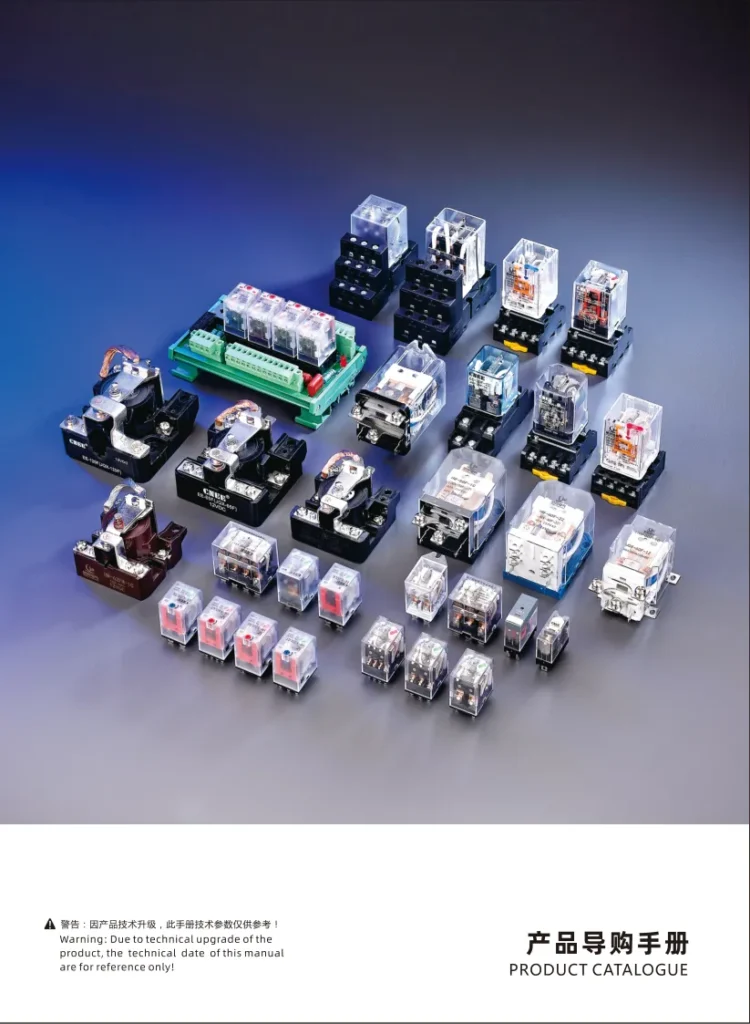
In the modern electrical and industrial power system, ensuring safe and efficient operation is non-negotiable. Among the many protection devices used in generator and power management systems, the reverse power relays is one of the most crucial — yet often misunderstood — components.
So, what exactly does it do, and why should engineers, maintenance teams, or equipment buyers care about it? Let’s dive deep into the function, application, and selection of reverse power relays and how they protect large-scale power systems from costly downtime and damage.
What Is a Reverse Power Relay?
A reverse power relay (RPR) is a protective device used in generator systems or parallel power networks to prevent power from flowing in the opposite direction—from the grid or another generator back into a generator’s prime mover (like a diesel engine or turbine).
When operating normally, a generator supplies power to the system. But if the prime mover fails or slows down due to a mechanical problem, the generator can start motoring — drawing power instead of supplying it. This backward flow of energy can cause overheating, excess torque, and potentially catastrophic mechanical failure.
That’s where the reverse power relay steps in. It detects this reverse flow of current and trips the circuit breaker, isolating the faulty generator in milliseconds.
Why Reverse Power Relays Are Critical in Generator Protection
In industrial power plants, marine systems, and renewable energy setups, energy flow stability is vital. The reverse power relay ensures smooth operation in parallel generator systems.
Here’s why it matters for B2B users:
Prevents generator damage: By stopping motoring conditions, it extends equipment lifespan.
Improves system reliability: Keeps your generators synchronized and healthy.
Minimizes operational downtime: Early detection avoids bigger failures.
Ensures operator safety: Prevents potential overloads or mechanical faults.
In short, installing a reverse power relay is a small investment that safeguards multi-million-dollar generator systems.
How Does a Reverse Power Relay Work?
You can think of a reverse power relay like a vigilant guard standing at the electrical gateway. It monitors the direction of current flow through the system.
Here’s the step-by-step process:
The relay continuously measures active power flow via a power transducer or sensing circuit.
Under normal load, power flows “forward” from generator to system bus.
When the prime mover slows or fails, power attempts to flow “backward.”
Once reverse current exceeds a preset threshold (e.g., 2–10% of rated power), the relay activates its trip mechanism.
The breaker disconnects the affected generator, preventing damage.
Below is a simple reference table for typical settings:
Parameter
Typical Value
Description
Reverse power setting
2–10% of generator rated power
Determines sensitivity to reverse current
Time delay
1–3 seconds
Prevents nuisance tripping during transient load variations
Voltage input
110–240 V AC
Standard sensing voltage range
Mounting type
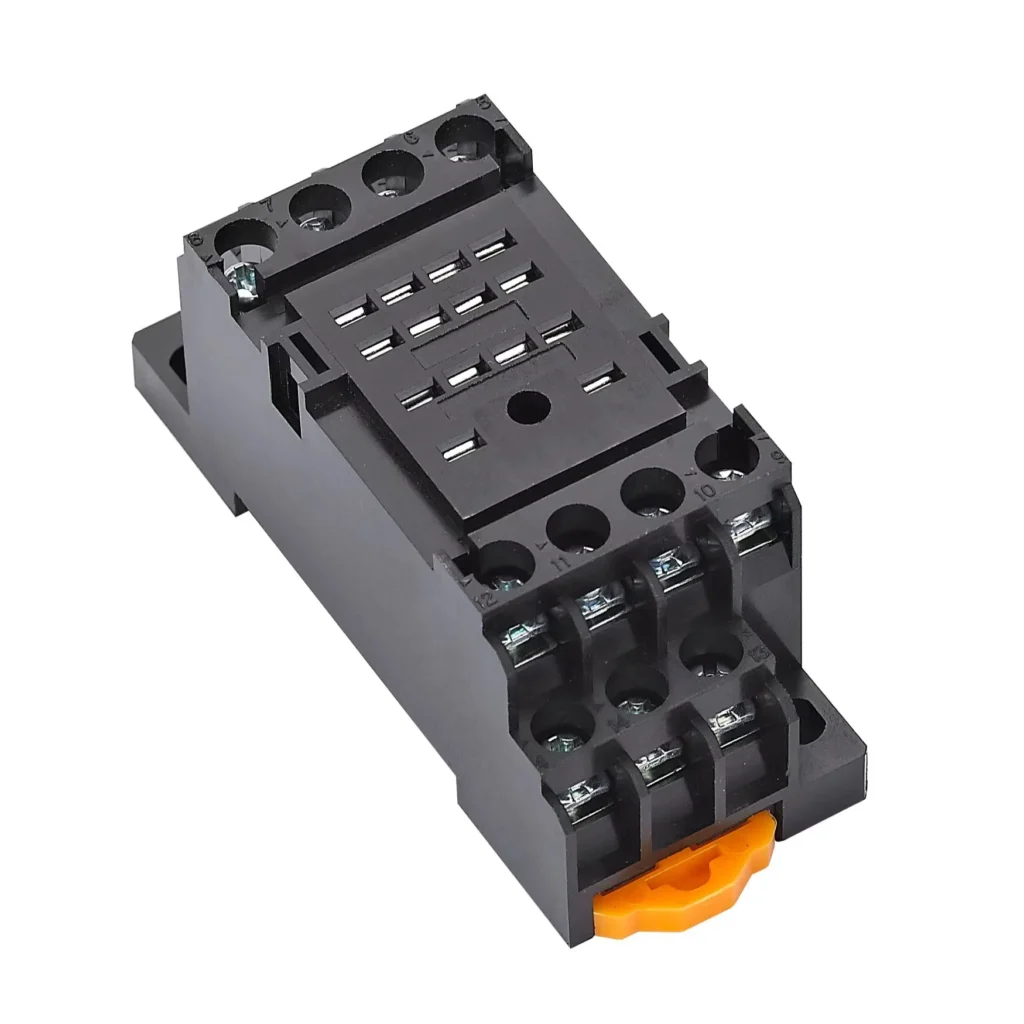
Panel / DIN rail
Installation flexibility for control panels
With the right calibration, the relay distinguishes between harmless fluctuations and genuine reverse power conditions.
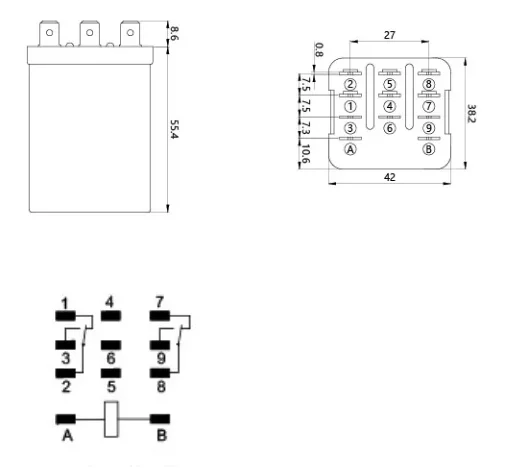
Contact us for custom high-performance power relays HW-38F-3Z solutions tailored to your needs.
Reverse power relays are indispensable across several sectors where multiple generators share load or synchronize with utility grids.
Common industrial applications include:
Power plants: Protecting alternators in turbine-generator assemblies.
Marine vessels: Preventing propulsion generators from motoring during synchronization faults.
Renewable energy systems: Securing hybrid microgrids with diesel and solar sources.
Manufacturing facilities: Ensuring uninterrupted operations during load sharing.
For marine engineers and project procurement teams, selecting a reverse power relay for generator synchronization ensures compliance with maritime electrical protection standards like IEC 60255 and ABS requirements.
Types of Reverse Power Relays
Reverse power relays can differ based on sensing technology, speed, and operational logic. Here’s a breakdown to guide selection:
Type
Operation Principle
Typical Application
Electromechanical RPR
Uses torque and current coil movement
Simple, robust systems, ship generators
Static RPR
Uses analog sensors and amplifiers
Mid-range industrial systems
Digital/Smart RPR
Microprocessor-based, with adjustable settings and remote monitoring
High-end generator systems and smart grids
In modern energy plants, digital reverse power relays are preferred since they integrate advanced features such as communication protocols (Modbus, Profibus), automatic event logging, and remote diagnostic functions — perfect for Industry 4.0 setups.
Reverse Power Relays vs. Directional Power Relay
Sometimes engineers ask: Isn’t a reverse power relay just another type of directional relay?
Not exactly.
A directional power relay monitors the direction of power flow but may serve broader protection purposes (like phase failure or load shedding). A reverse power relay, however, is set specifically to detect a defined threshold of reverse active power flow, optimized for generator protection.
Comparison Factor
Reverse Power Relay
Directional Power Relay
Function
Protect generator from reverse motoring
Detect power flow direction in network
Sensitivity
High
Moderate
Typical setting
2–10% reverse power
Range-based directional threshold
Application focus
Generator sets
Distribution systems, feeder protection
If your goal is generator anti-motoring protection, go for an RPR. If you need network directional protection, a directional relay suits better.
How to Select the Right Reverse Powers Relay for Your System
Selecting the proper relays involves balancing sensitivity, response time, and system compatibility. Here’s what to consider during procurement:
System voltage and frequency: Ensure compatibility with your generator’s output.
Relay type: Choose digital models if you need data logging or remote SCADA integration.
Trip delay: Shorter delays (1–3 s) for fast systems, longer for fluctuating loads.
Compliance: Verify IEC, ISO, or marine classification approvals.
Support and warranty: Reliable suppliers offer calibration services and after-sales technical support.
Need help selecting the best reverse power relay? Contact our engineering team for configuration guidance and quick quotation support — we can help you specify an RPR that meets your exact operational standards.
Common Signs Your Generator Needs an RPR Upgrade
If you notice any of the following, your current protection system may be outdated or underperforming:
Frequent nuisance trips due to unstable load sharing.
Lack of remote monitoring capability.
Delayed trip action during synchronization loss.
Incompatibility with modern generator controllers or PLCs.
An upgrade to a digital reverse power protection relay may help align your system with modern efficiency and monitoring requirements, improving both performance and safety.
Benefits of Using Reverse Power Relays in Smart Systems
In today’s interconnected grid environment, automation and intelligence drive reliability. Modern RPRs allow integration with smart generator control panels, microgrid controllers, or SCADA systems.
Key benefits include:
Event logging and analytics for predictive maintenance.
Remote trip/reset through HMI or network.
Parameter tuning without dismantling equipment.
Reduced complexity in synchronization control systems.
By integrating these smart features, facilities can ensure round-the-clock protection while minimizing manual intervention.
Maintenance Tips for Reliable Operation
Even the best reverse power relay needs regular calibration and inspection. Improper settings can cause nuisance tripping—or worse, delayed response.
Maintenance best practices:
Test trip settings during major generator maintenance cycles.
Verify current transformer (CT) and voltage transformer (VT) connections.
Check for software updates (for digital RPR).
Log and review trip events for trend analysis.
Routine testing every 12–24 months ensures compliance and performance consistency.
In a world where generator protection and system reliability determine operational success, overlooking the reverse power relay is a costly oversight. It’s a small component that silently guards your investment, ensuring your generators never turn into unintended motors.
Whether you’re designing a new power system or upgrading an existing facility, understanding and properly applying HW-38F-3Z Power Relay 40A can save you from expensive downtime and mechanical failures.
Send us an inquiry today — our expert team will assist you with sourcing, specification, and integration advice.
Choosing the right coil voltage for a power relay switch can feel tricky, especially when you are designing industrial control panels, OEM equipment, or automation systems for demanding B2B projects. You not only need the relay to pull in reliably, you also have to think about supply tolerance, safety, heat, and long‑term reliability. This guide […]
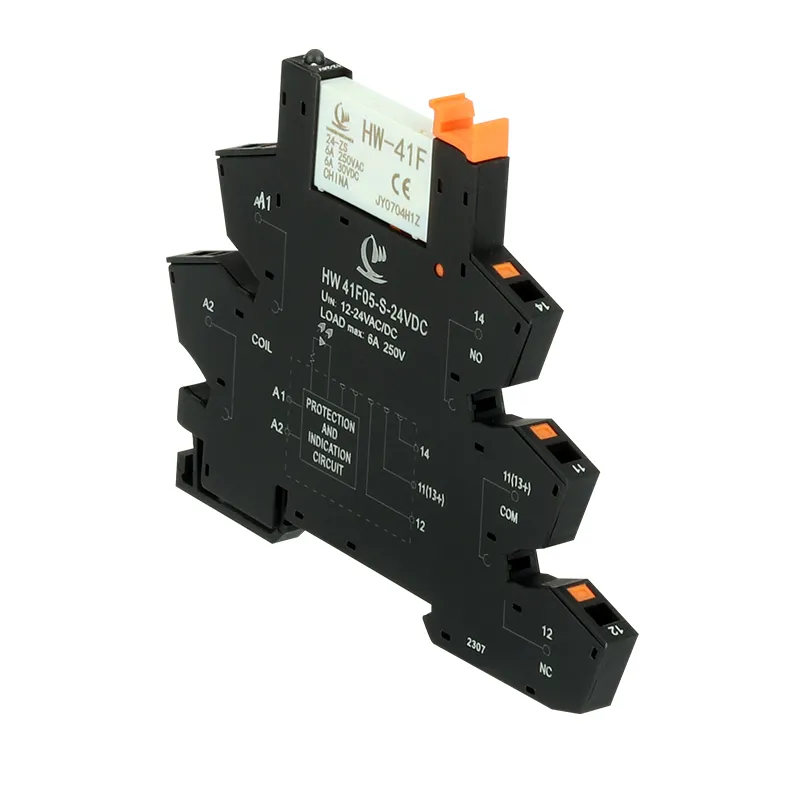
Miniature Relay are essential components in industrial automation. With their compact size, stable performance, and flexible installation, miniature relay are the preferred choice for modern automation system design. But with so many relay options on the market, how can you select the best one for your needs? In this article, we’ll guide you through the […]
Relay symbols are the cornerstone of electrical engineering, the universal language for designing, troubleshooting, and maintaining electrical systems.
We use cookies to enhance your browsing experience, serve personalised ads or content, and analyse our traffic. By clicking "Accept All", you consent to our use of cookies.
Get a Free Quote
Your email information is completely secure and will not be disclosed to third parties for any reason.
Interested In Our Relay Products?
Get the latest product brochures and technical data.