Have you ever wondered what quietly powers your car’s radio or keeps your industrial panels running smoothly after hours? The answer often lies in a small but vital device: the Accessory Power Relay. This unassuming electronic component plays a starring role in complex electrical systems, ensuring devices like audio units, navigation screens, control modules, and more operate safely—without overwhelming their switches or causing dangerous overloads.
Whether you’re managing a fleet of vehicles, designing automation panels, or simply troubleshooting equipment on the shop floor, understanding accessory power relays can help you avoid costly downtime and ensure peak system performance. Ready to demystify this unsung hero? Let’s get started!
What is an Accessory Power Relay?
At its core, an accessory power relay is an electromechanical switch designed to control the flow of power to secondary—or “accessory”—circuits within a system. Most commonly found in automotive and industrial applications, this relay ensures that only designated circuits receive power when required.
Accessory power relays are used for:
supplying power to non-critical systems (e.g., infotainment, power windows, fans, lights)
protecting switches and wiring from excessive current
enabling remote and automated control over multiple devices
Comparison: Accessory Power Relay vs. Main Relay
Feature
Accessory Power Relay
Main Relay
Function
Controls auxiliary loads
Powers vital circuits (ECUs, fuel pumps)
Typical Voltage
12V or 24V
12V/24V/48V
Use Case
Radios, navigation, windows
Engine starting, fuel systems
Activation
By ignition key or module
By ECU/ignition switch
How Does an Accessory Power Relay Work?
An accessory power relay’s function sounds simple, but its impact is huge. Here’s how it operates:
Control Coil Energized: When the ignition key turns to ACC or ON, a small current flows through the relay’s coil terminals (usually pins 85 and 86).
Magnetic Field: This energizes a coil, creating a magnetic force that “moves” an internal armature.
Power Switching: The armature closes high-current contacts, allowing battery voltage (connected to pin 30) to pass through to load terminal 87, thus activating the accessory.
Deactivation: When the key is switched off, the coil de-energizes, and the contacts return to their resting state (either NO or NC).
Tip: Always refer to the accessory power relay wiring diagram before installation.
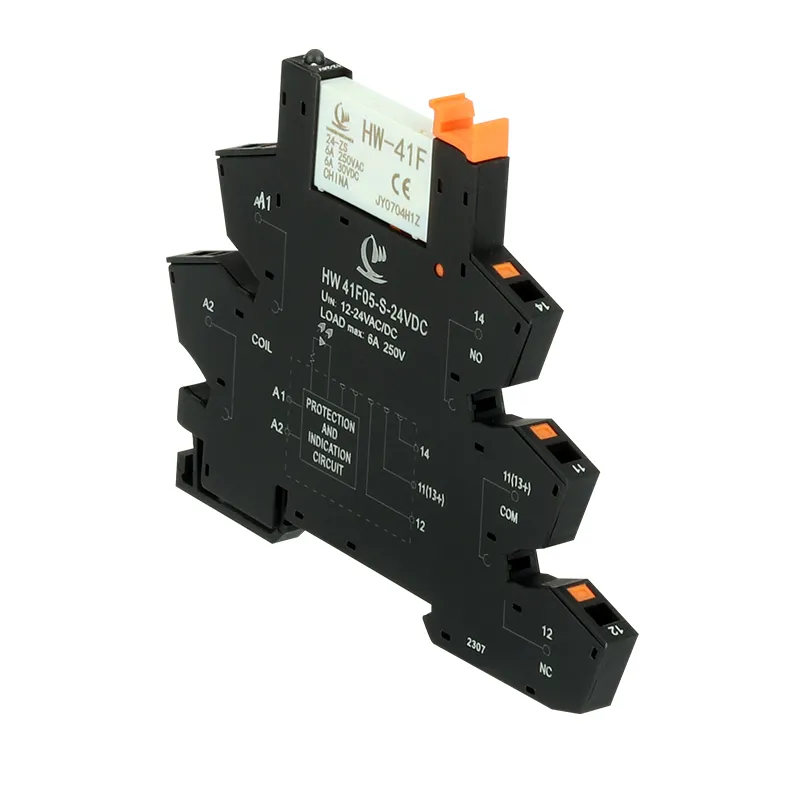
Accessory Relay Terminal Functions
Terminal Number
Description
85
Coil – Ground
86
Coil – Positive
30
Common Input (Power)
87
Normally Open (Load)
87a
Normally Closed (Alternate load – if applicable)
Accessory Power Relay vs Ignition Relay: What’s the Difference?
People often confuse accessory power relays with ignition relays—but getting them mixed up during troubleshooting or design can cause major headaches!
The accessory power relay manages “secondary” circuits, powering items like radios, cigarette lighters, or power windows.
The ignition relay controls mission-critical systems—think: engine control module, fuel pumps, starter motor.
Parameter
Accessory Power Relay
Ignition Relay
Purpose
Auxiliary (non-critical) circuits
Essential engine circuits
Typical Symptoms
Accessories don’t work
Engine won’t start/runs poorly
Active State
ACC/ON (ignition key)
ON/START (ignition)
Cost
Lower
Higher
Common Applications of Accessory Power Relays
If you think accessory relays are “just for cars”—think again. These relays are everywhere power distribution needs to be both flexible and safe. Here’s where you’ll find them:
Industry
Application
Relay Type
Automotive
Audio system, power windows, AC
12V accessory relay
Marine
Boat lights, navigation electronics
Waterproof relay
Industrial
HVAC controls, PLC interfaces
24V relay module
RV/Caravan
Lighting, inverter control
Universal accessory relay
How to Test or Replace an Accessory Power Relay
Worried your relay is to blame for a silent stereo or stubborn window? Here’s a practical, step-by-step troubleshooting guide:
Locate the Relay: Check the vehicle or equipment’s fuse panel or relay box.
ID the Correct Unit: Read the diagram in/on the box cover.
Listen for Clicks: Turning the key to ACC or pressing the switch should trigger a faint ‘click’ from the relay.
Bench Test: Use a multimeter to check resistance across coil pins (85/86).
Swap Relays: Where safe, substitute with another relay of the same part number.
Testing Reference Table
Test Point
What to Check
Typical Reading
85 to 86
Coil resistance
60–120 ohms (12V relay)
30 to 87
Contact resistance
<1 ohm (engaged)
30 to 87a
NC contact
0 ohm (rest/not engaged)
If the readings fall far outside these ranges, it’s time to replace the relay.
Useful search queries: how to test accessory power relay, relay troubleshooting guide, 12V relay coil resistance.
Signs of a Faulty Accessory Power Relay
A bad relay can lead to many issues—usually at the worst possible time! Here’s how you’ll know:
Radios, windows, or lights stop working even if fuses are fine
Accessories work only intermittently
Audible click sound missing when activating circuit
Relay shows burn marks, pitted or melted housing
Accessories drain battery after vehicle is turned off (stuck contact)
Choosing the Right Accessory Power Relay for Your Application
With so many options, how do you select the right relay? Consider the following factors:
Coil Voltage: Match 12V or 24V to your system
Current Rating: Ensure relay contacts support load amp rating
Contact Type: NO, NC, or changeover; check wiring requirements
Sealing/Protection: Waterproof or dustproof types for harsh environments
Certifications: For B2B buyers, always look for CE, RoHS or relevant marks
Product Comparison Table
Feature
Standard Automotive Relay
Sealed Waterproof Relay
Protection
Open frame
IP67 Rated, Sealed
Typical Use
Inside cabin/panel
Engine bay, outdoors
Material
ABS/Resin
Stainless steel or Reinforced plastic
Application
General accessory
Marine, construction
Need a custom relay solution or want to buy in bulk? Contact HW Relay today for direct sales and technical support—your one-stop source for reliable OEM accessory power relays!
Accessory Power Relay Maintenance Tips
Like any vital component, regular inspection and simple care can extend relay service life:
Periodically check contact surfaces for pitting, burning, or corrosion; clean if needed
Ensure connectors are tight and wiring insulation is not cracked
Store spares in a dry, temperature-stable environment
Upgrade to sealed or waterproof relays in dusty, humid, or exposed settings
Never exceed rated current to avoid overheating
Accessory power relays may seem like hidden extras, but they’re actually the backbone of any modern electrical system—whether in vehicles, factories, or boats. By supplying safe, reliable control over secondary circuits, these compact devices keep everything from infotainment systems to automated controls running at their best.
Selecting the right accessory relay, performing regular checks, and knowing when to replace them will help your business avoid expensive service calls, keep your fleet humming, and your clients happy. Looking for quality, OEM-grade accessory power relays or help with B2B sourcing? Send HW Relay your inquiry today and take the guesswork out of OEM relay supply!
FAQ
What does an accessory power relay do?
It switches power to auxiliary equipment (such as radios or windows) when activated, isolating high current from control switches.
What are the signs of a faulty accessory power relay?
Intermittent or failed operation of accessories, lack of relay clicking sound, visible damage, or battery drain are common symptoms.
Can I use a universal 12V relay as an accessory relay?
Yes, but always match current rating, voltage, and pin pattern to your system.
Is an accessory relay the same as an ignition relay?
No—the accessory relay powers non-essential circuits, while the ignition relay controls critical engine-related systems.
Does an accessory power relay need regular maintenance?
Basic visual inspection, cleaning of contacts, and ensuring correct wiring/installation are enough for most applications; always replace relays showing signs of degradation.
How can I test an accessory power relay?
Check for coil resistance and load contact continuity with a multimeter. If in doubt, swap in a known-good substitute.
When you search for “Power Relay 30A”, you’re usually not looking for a textbook definition—you want to know: can this relay actually carry my load, how do I wire it without tripping breakers, and which coil voltage I should pick so my panel guy doesn’t complain. The HW‑30F‑2Z sits exactly in that “real industrial 30A […]
In modern industrial automation systems, industrial relay contact serve as essential bridges for electrical control. At the heart of every relay are its contacts-the components responsible for making or breaking the circuit. The performance and reliability of these contacts directly impact the stability and safety of the entire system. Many relay failures can be traced […]
Power relay Contact are the hidden workhorses of industrial control. Their reliability hinges on the enduring quality of the contact set—the physical point where electrical energy meets mechanical action. This article dives deep into the contact structures and materials used in power relays, and provides practical guidelines to assess contact wear. Designed for B2B readers, […]
We use cookies to enhance your browsing experience, serve personalised ads or content, and analyse our traffic. By clicking "Accept All", you consent to our use of cookies.
Get a Free Quote
Your email information is completely secure and will not be disclosed to third parties for any reason.
Interested In Our Relay Products?
Get the latest product brochures and technical data.