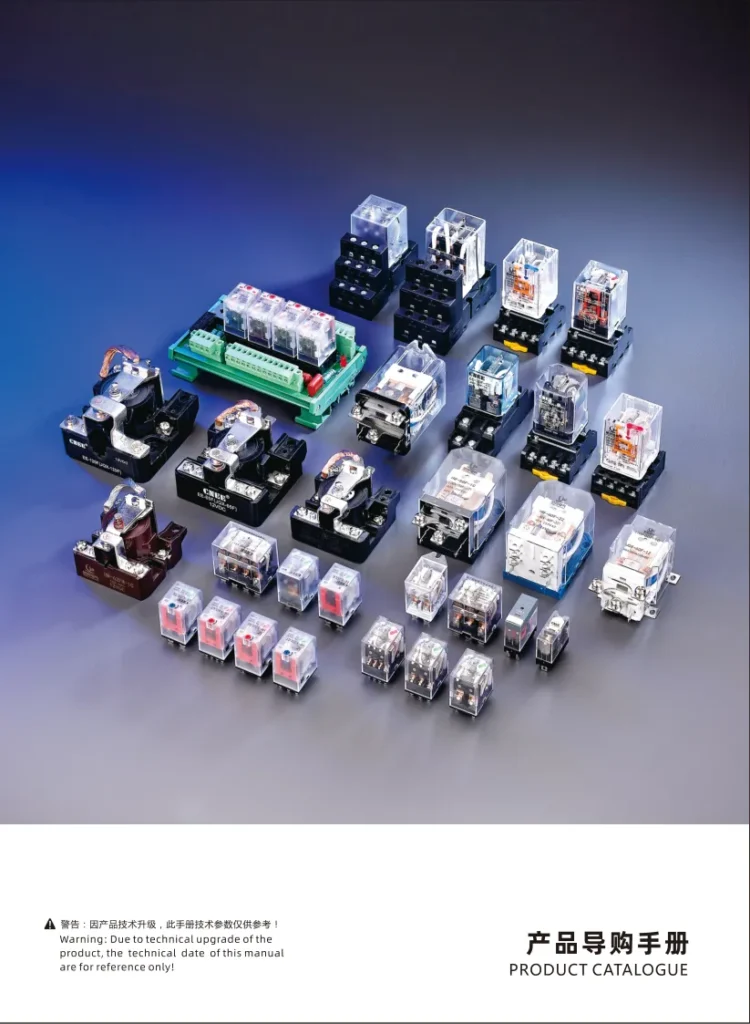
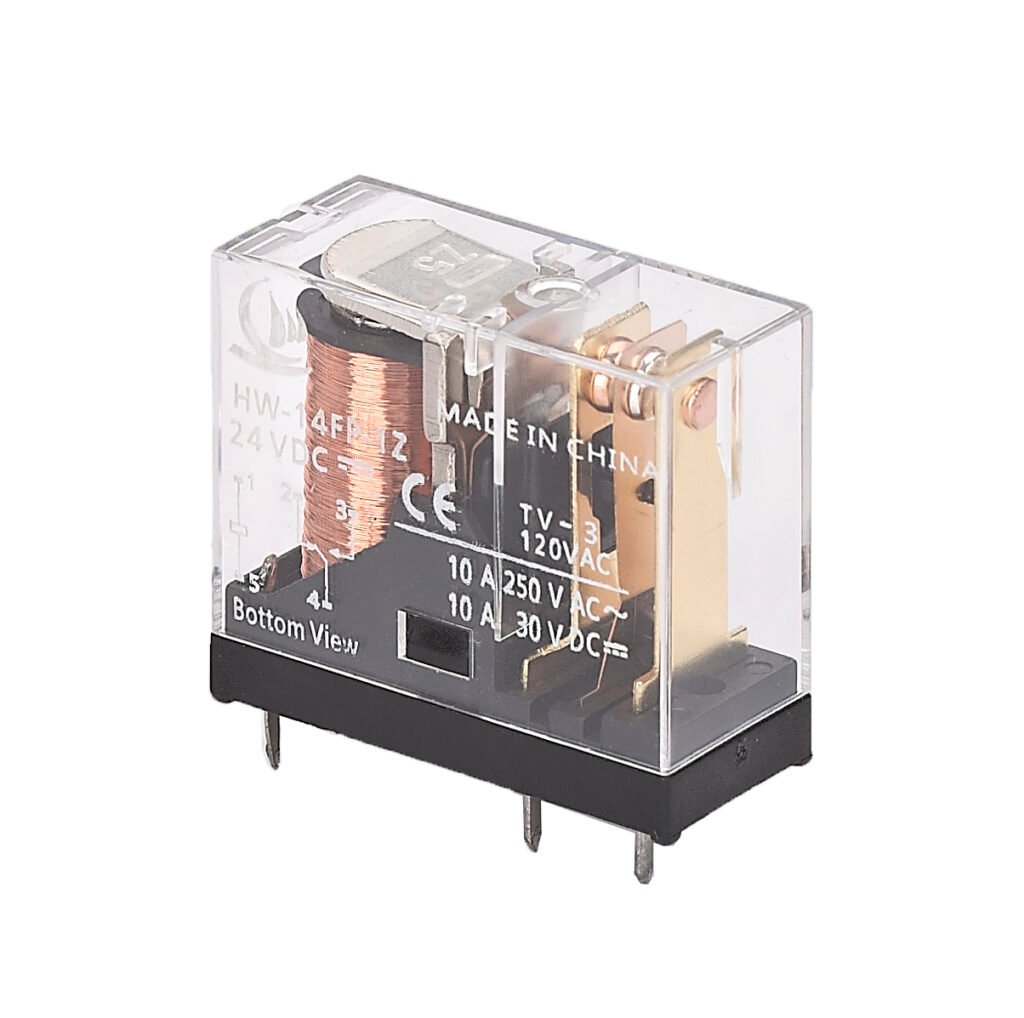
Miniature relays are widely used in various electronic devices and home appliances due to their compact design and efficient performance. These relays are small in size and light in weight, but have high reliability and long life, making them suitable for applications where space is limited but efficient control is required. They are often used for signal control and small current switching operations, making them ideal for electronic devices and home appliances.
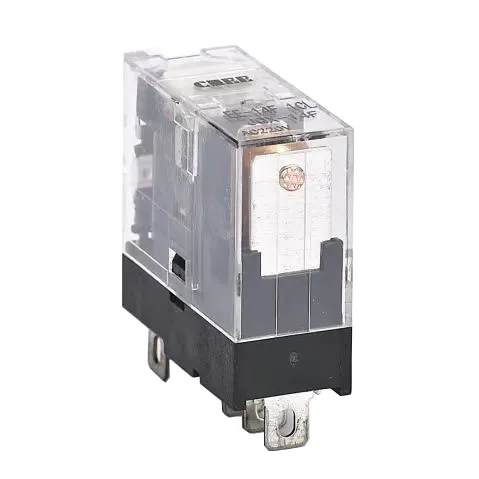
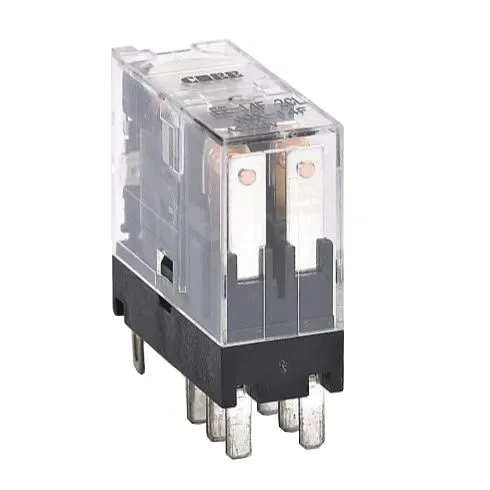
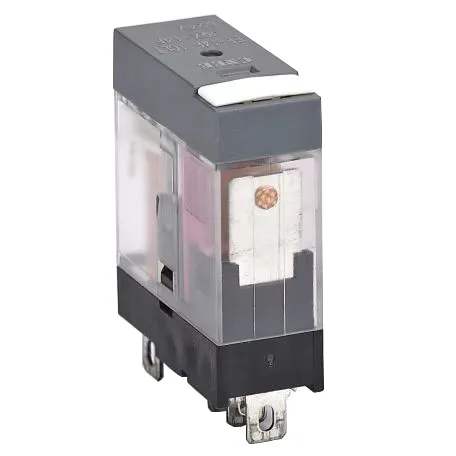
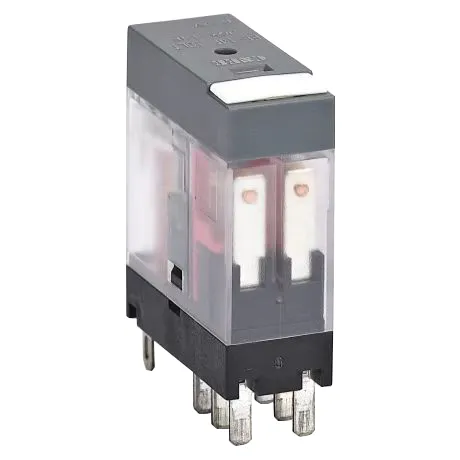
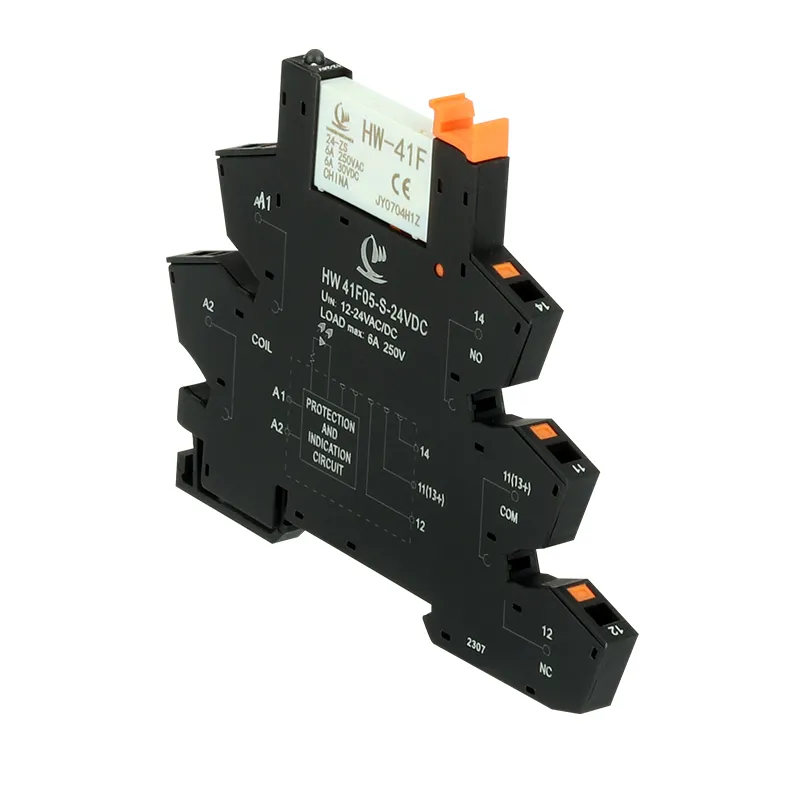
Small relays are compact, electromechanical switching devices designed to control electrical circuits by using a low-voltage signal to open or close contacts that manage a higher voltage or current. These relays are engineered to perform precise switching in limited space environments where reliability and durability are crucial. They are widely used for controlling loads in automation, automotive, telecommunications, and various industrial applications. Small relays offer quick response times and efficient operation while maintaining electrical isolation between control and load circuits for safety and performance.
Main Features of Small Relays
Compact and Lightweight Design: Designed to save panel space while supporting flexible integration into control systems.
High Reliability: Durable contacts and robust construction ensure long operational life even under frequent switching.
Low Coil Power Consumption: Efficient coils require minimal current, making them suitable for low-power control circuits.
Multiple Contact Configurations: Available in normally open (NO), normally closed (NC), and changeover contact types for versatile circuit designs.
Fast Switching Speed: Capable of responding in microseconds to milliseconds, suitable for automation systems requiring high-speed operation.
Electrical Isolation: Ensures safe separation between low-voltage control signals and high-voltage load circuits.
Product Advantages
Simple Operation: Using electromagnetic coils, small relays are easy to control with low current signals activating high power switching.
Cost-Effective: Manufactured from low-cost components, these relays provide budget-friendly solutions without compromising quality.
Space Efficiency: Their small size allows for installation in compact control panels or devices with limited space.
Easy Troubleshooting: Clearly marked terminals and standard wiring diagrams assist in quick fault diagnosis and replacement.
Energy Efficiency: By enabling automatic control of equipment operation time, they reduce unnecessary energy consumption and equipment wear.
Wide Range of Applications: Adaptable for automotive electronics, industrial control, home appliances, and telecommunications for optimized electrical management.
Installation Steps and Maintenance
Installation Steps:
Verify the relay model matches your application’s electrical specifications and load requirements.
Mount the relay socket on a DIN rail or appropriate panel mount base.
Strip wire ends (9–11 mm recommended), crimp terminals if required, and connect control wires to corresponding coil terminals.
Connect load wires to the relay contact terminals according to the wiring diagram.
Insert the relay into the socket firmly; ensure proper electrical contact.
Power up the control circuit and test relay operation using a multimeter to verify coil activation and contact switching.
Follow safety protocols such as disconnecting power before installation and using insulated tools.
Maintenance Tips:
Perform periodic visual inspections checking for physical damage, corrosion, or discoloration.
Clean relay contacts and housing to remove dust and contaminants.
Test mechanical movement to ensure contacts open and close freely.
Conduct electrical tests to verify coil resistance and contact continuity.
Replace relays exhibiting signs of overheating or contact wear promptly.
Calibrate relays as needed to maintain switching accuracy and responsiveness.
Product Applications
Small relays find broad usage across various industries due to their versatility:
Industrial Automation: Control of motors, valves, and solenoids in manufacturing processes for precision and safety.
Automotive Electronics: Switching headlights, fuel pumps, and starter motors requiring reliable high-current handling.
Home Appliances: Operating compressor motors, heating elements, and timing circuits in devices like washing machines and air conditioners.
Telecommunications: Managing signal routing and power distribution in networking hardware.
Control Systems: Integration with PLCs and automation controllers for safe and efficient operation of electrical equipment.