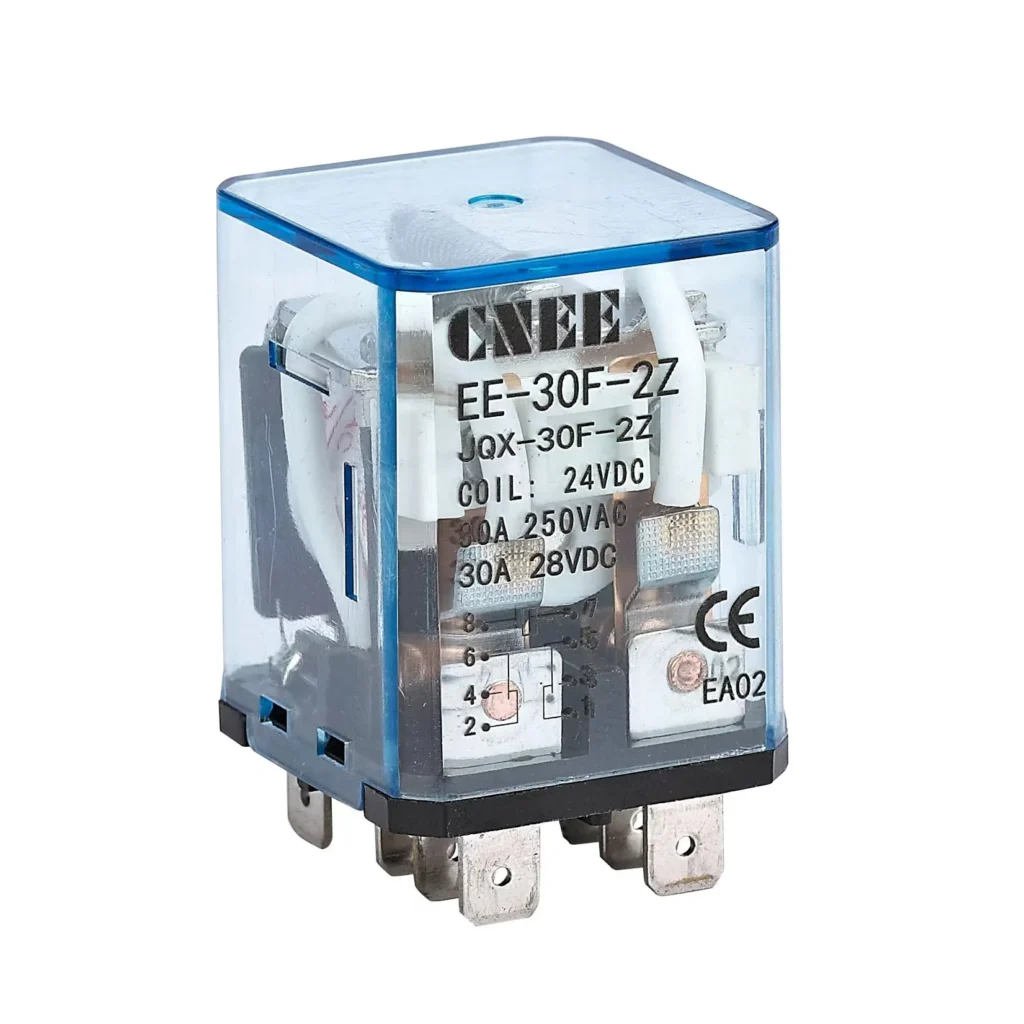
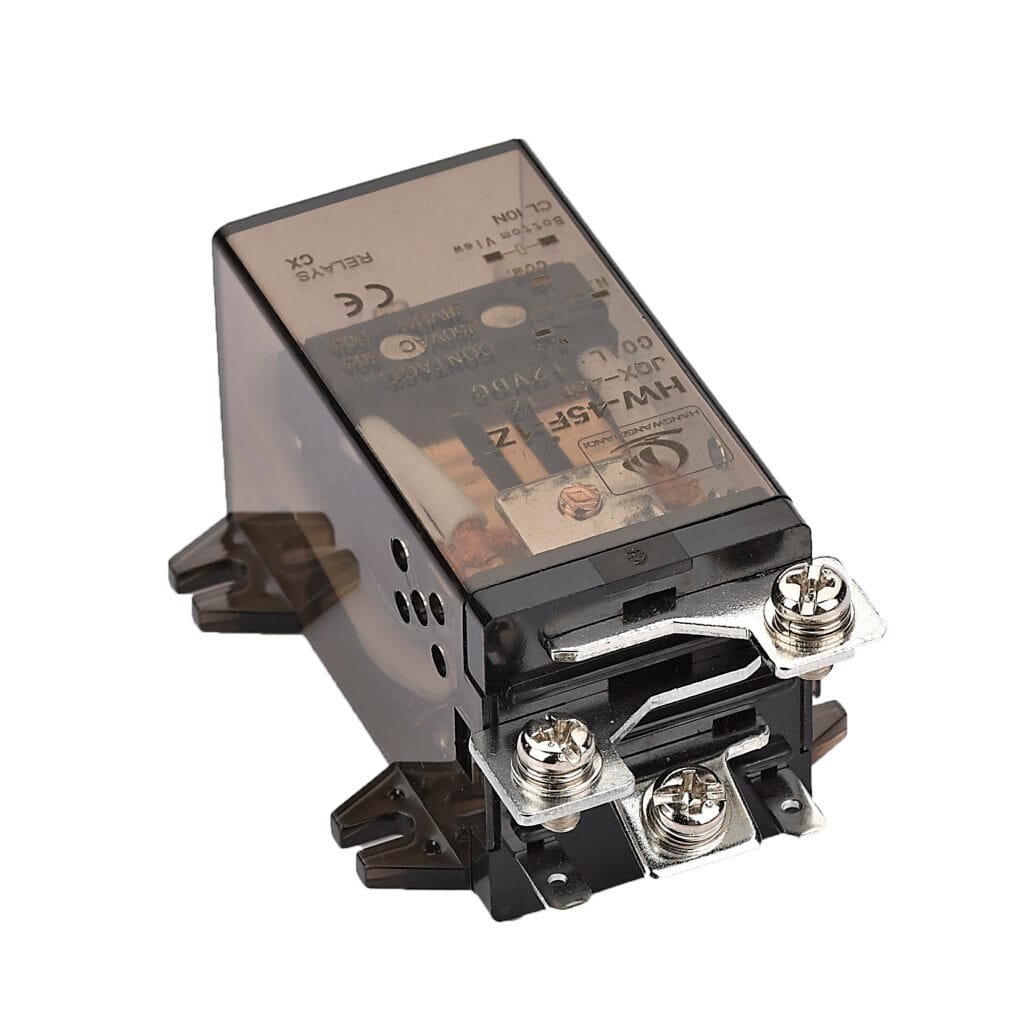
When you search for “Power Relay 30A”, you’re usually not looking for a textbook definition—you want to know: can this relay actually carry my load, how do I wire it without tripping breakers, and which coil voltage I should pick so my panel guy doesn’t complain. The HW‑30F‑2Z sits exactly in that “real industrial 30A workhorse” category: a DPDT high power relay for AC and DC loads, widely used as an intermediate relay in control cabinets, HVAC, machinery and power control.
In this article, I’ll walk through what a 30A power relay really does in a B2B context, how I’d connect HW‑30F‑2Z in typical 230/400 V applications, and how to choose the right coil and contact configuration for your project or your customer’s BOM. Along the way, we’ll naturally cover long‑tail topics like “30A DPDT relay wiring”, “industrial power relay 30A selection”, and “30A relay for motor and heater loads”—without turning this into an exam.
And yes, if halfway through reading you already know HW‑30F‑2Z is the one, you can mentally fast‑forward to “just pick the coil voltage and send us your inquiry”.
What makes a Power Relay 30A different?
When we say “Power Relay 30A”, we’re talking about a relay whose contacts are designed to switch and carry currents up to about 30 A at mains‑level voltages, typically around 250–277 VAC or 24–30 VDC. That already moves it out of the small signal world and into serious power distribution territory—things like compressors, heaters, pumps and power supplies.
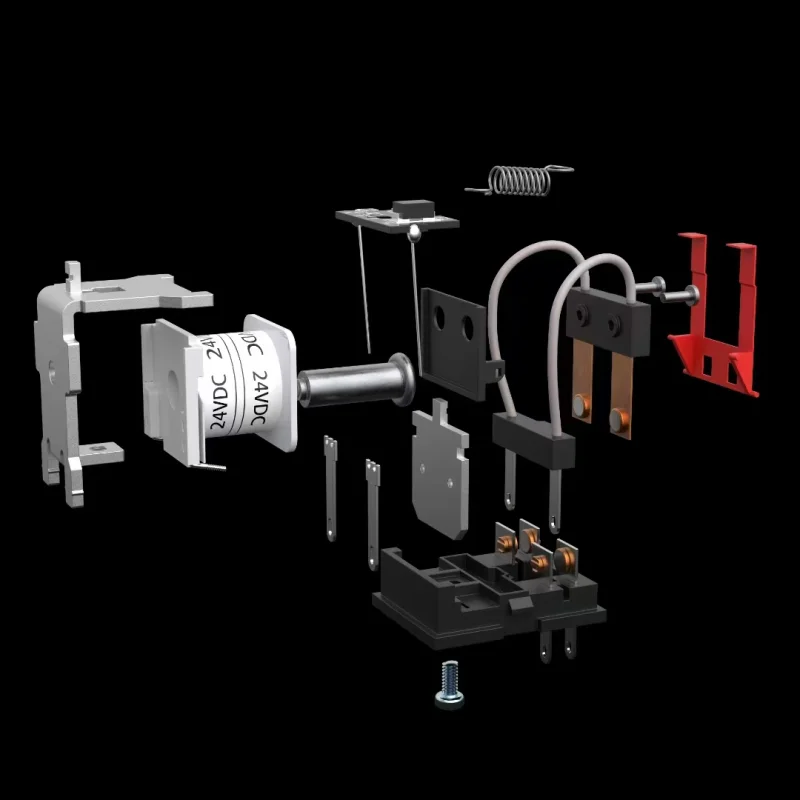
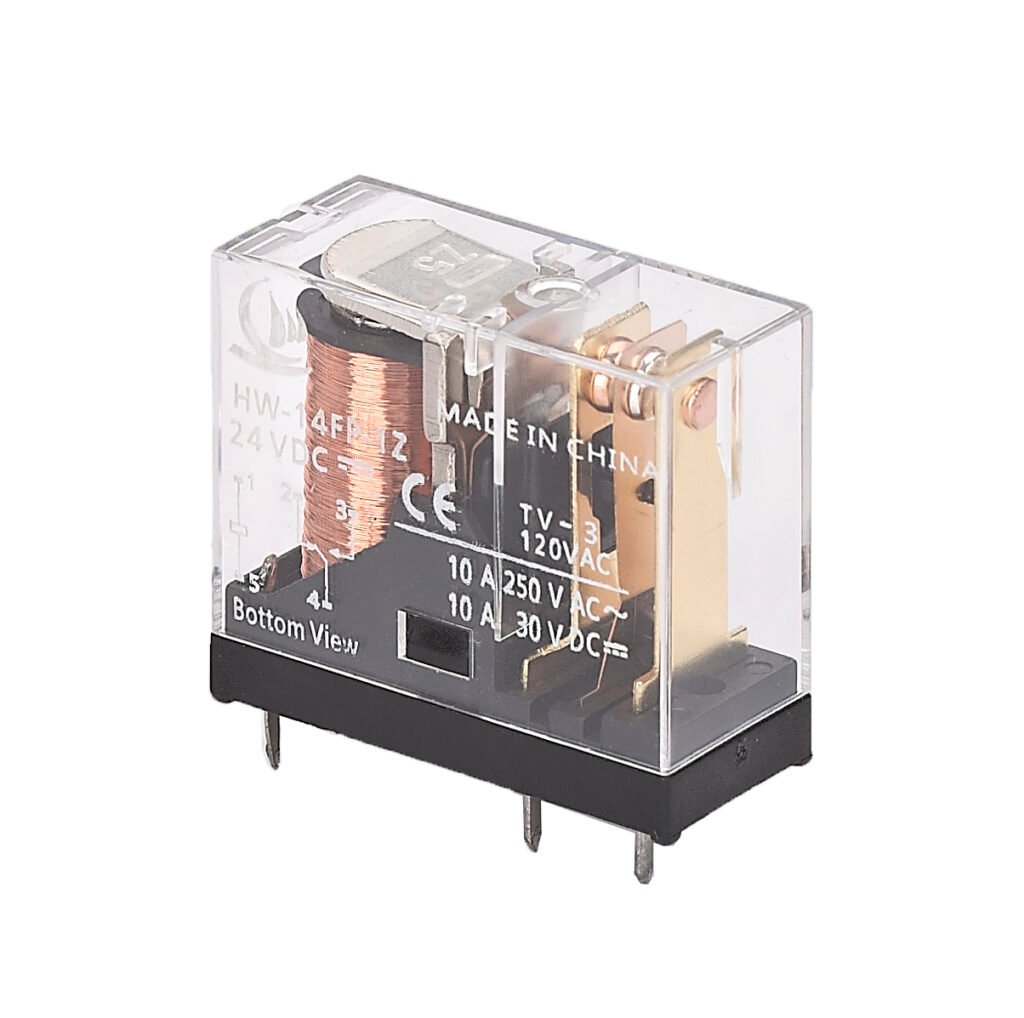
The HW‑30F‑2Z belongs to a classic 30A high power relay family widely used as an intermediate relay for industrial loads. This type of relay is known for:
High switching capacity around 30 A.
Electromagnetic coil (available in AC and DC versions).
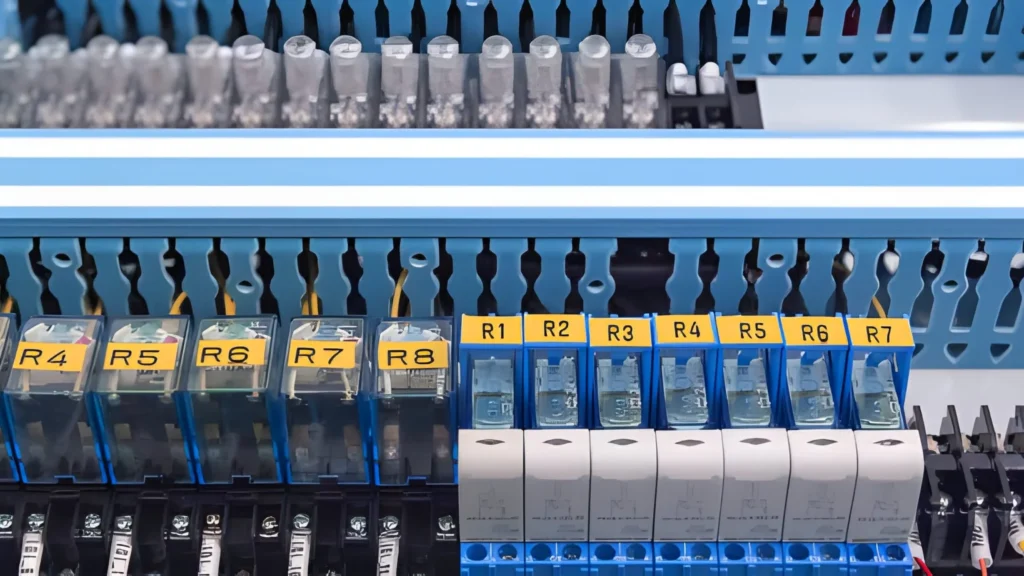
So if you’re building or sourcing control panels, OEM equipment, HVAC units, UPS systems, or machine tools, a 30A power relay like HW‑30F‑2Z is usually the “middleman” between the low‑voltage control logic and the high‑power load.
Typical 30A application overview
A typical high power relay in this class is used for:
Motors (fans, pumps, compressors).
Heating elements.
Power supply and mains input switching.
Lighting groups and distribution circuits.
Industrial automation as an intermediate or isolation relay.
The key point: at 30 A you’re no longer playing with toys. You need proper creepage distances, contact materials and coil isolation. That’s exactly the space where HW‑30F‑2Z operates.
Let’s talk about what you really check as a buyer or engineer when someone sends you “HW‑30F‑2Z Power Relay 30A” on a BOM: coil options, contact form, ratings, mounting, and typical endurance.
Relays in this 30F‑2Z family are DPDT (2 form C / 2Z) power relays with both AC and DC coil ranges and 30 A contact ratings. They are often socket compatible (8‑pin) and widely used as a “general purpose high power relay”.
Core parameters overview
Feature
Typical value / behavior for HW‑30F‑2Z class
Why you care in a 30A project
Contact form
DPDT (2Z, 2 changeover contacts)
Lets you switch two circuits or do interlocking.
Contact rating
Around 30 A at 250 VAC (resistive load)
Suitable for heaters and large branch circuits.
Coil type
Electromagnetic, AC or DC versions
You match it with PLC outputs or control transformers.
Coil voltage range
DC options like 12/24 VDC, AC options like 110/220/230 VAC
Wide choice for different control systems.
Pickup / dropout characteristics
Coil pulls in below rated voltage, releases with safe margin
Helps stability under supply fluctuations.
Isolation strength
High dielectric strength between coil and contacts
Important for safety at mains voltages.
Operating environment
Wide temperature range suitable for control cabinets
Good for industrial environments.
Mounting
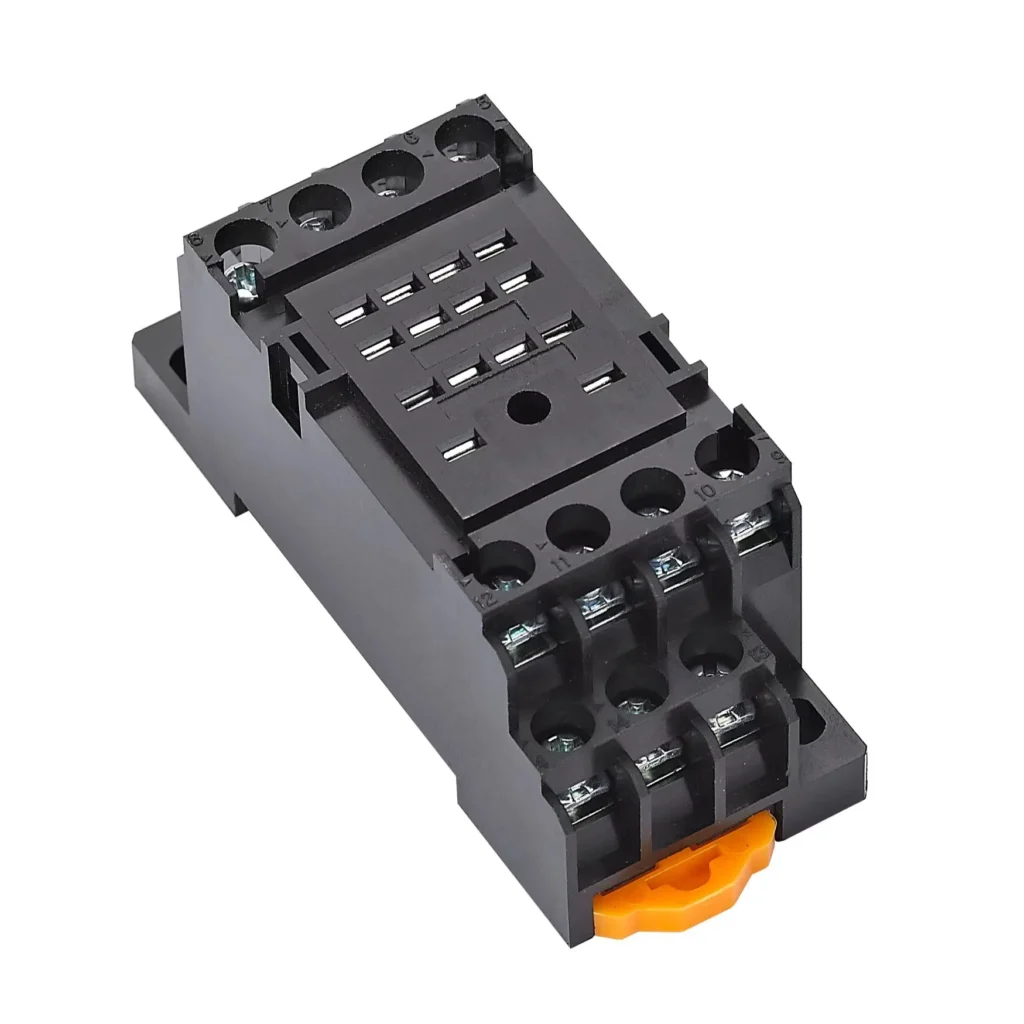
Socket or panel mount, 8‑pin terminal base
Makes field replacement easy.
When you see “30F‑2Z” you should think: “a robust 30A DPDT power relay I can comfortably put between a PLC and a serious load”. HW‑30F‑2Z is exactly that type of relay.
How to connect a 30A Power Relay like HW‑30F‑2Z
You asked特别清楚: 想看“怎么接”。So let’s walk through the logic of wiring a 30 A DPDT power relay in an industrial panel, using HW‑30F‑2Z as the reference. I’ll keep it practical, not academic.
1. Understanding the 2Z (DPDT) contacts
A 2Z / DPDT relay has two identical changeover contact sets: each set has a common (COM), a normally closed (NC), and a normally open (NO) terminal. When the coil is not energized, COM is connected to NC; when the coil is energized, COM switches to NO.
In a typical 8‑pin 30F‑2Z style relay, you’ll see:
Two pins for the coil (AC or DC depending on the version).
Six pins for contacts: COM1, NC1, NO1, COM2, NC2, NO2.
So whenever someone says “30A DPDT relay wiring diagram”, they are really talking about how to route mains (or DC bus) through those COM/NO/NC pins in a safe and logical way.
2. Conceptual AC load wiring
Here’s how you conceptually connect HW‑30F‑2Z for a single‑phase AC 230 V resistive load (like a heater or power supply input):
Bring the phase (L) from the supply into COM1 and COM2 if you want to use both poles for one circuit or split current.
Take the switched phase out from NO1 and NO2 to the load terminals so that when the relay pulls in, the load sees mains.
Neutral (N) usually goes straight to the load, unless you deliberately want to break both poles.
Connect the relay coil to your control voltage on the coil pins—24 VDC, 110 VAC, or 220/230 VAC depending on the variant you chose.
By energizing the coil, you “close” the power path through the NO contacts and let up to roughly 30 A flow, assuming the rest of your design (wires, terminals, protection) is also sized for that.
3. Using both poles for one heavy 30A line
In some industrial panels, engineers use both poles of a DPDT power relay in parallel for a single load line to help with contact heating and reliability, staying within the relay’s specified limits.
In that concept:
Phase in: COM1 and COM2 are tied together and connected to the incoming line.
Phase out: NO1 and NO2 are tied together and connected to the load line.
You still respect the relay’s overall 30 A rating, but the current is shared between the two poles, which can help with thermal performance in some designs. This is a common trick in “30A power relay” applications for heaters and other high continuous loads.
4. DC loads and coil suppression
If you use HW‑30F‑2Z to switch a DC load, especially an inductive one (like a DC motor, solenoid, or large DC contactor coil), you typically:
Route the positive line through COM and NO (or NC) like you would with AC.
Add appropriate suppression, such as flyback diodes for DC coils or RC snubbers for more complex loads, to protect contacts and reduce arcing.
For DC coil versions of the relay itself, adding a diode across the coil is also a classic move to protect your PLC output or transistor driver from voltage spikes when the coil de‑energizes.
So the idea is simple: HW‑30F‑2Z carries the current; your protection components help keep it alive longer.
Contact us for custom HW‑30F‑2Z power relays solutions tailored to your needs.
How to choose the right 30A relay—and when HW‑30F‑2Z is the sweet spot
Now let’s address the big procurement questions: among so many 30 A power relays, why pick something like HW‑30F‑2Z, and how do you select the exact variant?
Global catalogues are full of 30 A general purpose relays: different poles, different coils, different footprints. The HW‑30F‑2Z style sits right in the middle of that market, as a general‑purpose industrial DPDT high power relay.
Key selection criteria for B‑side buyers
Here’s how I’d break it down when evaluating a Power Relay 30A for an industrial or commercial project.
Decision factor
What to look for in HW‑30F‑2Z class relays
Why it matters for you
Load type
Check 30 A rating at your voltage for resistive loads; derate for motors and inductive loads.
Avoid contact welding and overheating.
Contact configuration
2Z (DPDT) lets you switch two lines or do changeover logic.
One relay can handle two circuits or be used creatively.
Coil voltage
Match to 12/24 VDC control, or 110/220/230 VAC coils.
Prevent coil burnout and mis‑operation.
Coil type (AC vs DC)
DC coils for PLC/SMPS; AC coils for transformer‑based control.
Integrates cleanly into your control architecture.
Mounting & socket
8‑pin base, panel mount friendly.
Easier replacement and field service.
Electrical life & endurance
Enough switching cycles at your current and load type.
Ensures long‑term reliability in your application.
Isolation & safety
Strong insulation between coil and contacts.
Important for mains‑level installations.
In many standard industrial setups, HW‑30F‑2Z with a 24 VDC coil is a very practical choice: PLC‑friendly, easy to power from a typical control supply, and capable of handling 30 A loads or several branches.
When HW‑30F‑2Z shines in real projects
You’ll find this kind of high power 2Z relay used in:
HVAC units and chillers, controlling compressor and fan motors.
Industrial ovens and heaters, for resistive loads in the kW range.
UPS and power distribution, as intermediate or bypass relays.
Machine tools and automation islands, as a power interface between PLC and contactors.
If your BOM says “Power Relay 30A DPDT, AC/DC coil, socket mount” and you’re in control‑panel territory rather than PCB‑level design, HW‑30F‑2Z is usually a very natural answer.
And of course, if your drawing already calls it out by name, your life becomes easy: just confirm the coil voltage and quantity, and get the quotation rolling.
Comparing 30A power relays: where HW‑30F‑2Z stands
To give you more context, let’s compare the HW‑30F‑2Z‑style 30A power relay with a typical 30 A single‑pole relay. This is often the real choice in sourcing: flexible DPDT socket relay vs compact SPST PCB relay.
Aspect
HW‑30F‑2Z style 30A DPDT relay
Typical 30A SPST‑NO relay
Why it matters
Contact form
DPDT (2Z, 2 changeover contacts)
SPST‑NO (1 pole, normally open)
2Z gives more wiring options and logic.
Contact rating
About 30 A at 250 VAC (resistive)
30 A at 250–277 VAC (resistive)
Both handle high current loads.
Coil options
Wide AC/DC range (e.g. 12/24 VDC, 110/220/230 VAC)
Often only 12/24 VDC or 230 VAC
HW‑30F‑2Z offers broader control voltage choice.
Mounting
Socket/panel mount, 8‑pin base
PCB or panel mount, often no socket
Socket versions are easier to replace on site.
Use style
“Panel relay” in control cabinets
“PCB relay” on boards
Depends on whether you build panels or PCBs.
Typical applications
Motors, heaters, intermediates, automation
PSUs, compressors on PCB, compact gear
HW‑30F‑2Z is more cabinet and B2B project oriented.
So if you’re designing a compact PCB power supply, the SPST PCB relay might win on footprint. But if you are managing industrial control panels, multi‑wire harnesses and on‑site maintenance, HW‑30F‑2Z fits the workflow of panel builders and maintenance engineers much better.
If your application needs a Power Relay 30A that can live comfortably in an industrial panel, handle serious current, work with both AC and DC coils, and give you flexible 2Z contacts, HW‑30F‑2Z is a very solid and familiar option. It belongs to a mature high‑power relay family that panel builders, OEMs and maintenance teams already understand.
As long as you pick the right coil voltage and respect the contact ratings for your load type, it will quietly do its job in the background for years. So if you’re currently screening “Power Relay 30A” options and HW‑30F‑2Z is on your short list, that’s usually your sign to confirm the coil voltage, check your load profile and send your purchase inquiry—before your competitor locks in the lead time.
FAQ
Can a Power Relay 30A like HW‑30F‑2Z switch motor loads?
Yes, but you must check the specific rating for inductive or motor loads rather than just the 30 A resistive number. Motors have inrush and different duty categories, so you might need to derate or use the relay as an intermediate device driving a contactor. For small to medium motors—fans, pumps, compressors—relays in this 30A DPDT class are commonly used in industrial and HVAC systems, as long as the rating is respected.
Which coil voltage should I choose for HW‑30F‑2Z?
You simply match the coil to your control system: 1. If you use PLCs and 24 VDC control power, pick a 24 VDC coil. 2. If your panel uses a 220/230 VAC control transformer, pick the corresponding AC coil. 3. For legacy systems with 110 VAC control circuits, choose the 110 VAC version. In practice, 24 VDC is extremely popular now because it’s safer, easier to distribute, and integrates well with modern control electronics.
Is HW‑30F‑2Z suitable as an intermediate relay between PLC and contactor?
Yes, that is one of the main scenarios. You can use one contact to drive the contactor coil and the other contact for feedback or interlocking, or to drive an indicator. The relay provides galvanic isolation and can handle the coil inrush of a contactor, while protecting the PLC output.
Can I use HW‑30F‑2Z to switch DC loads?
Yes, it can be used for DC loads as long as you follow the DC ratings in its data and pay attention to voltage and current limits. DC is harder on contacts, especially at higher voltages, so current ratings are usually lower than in AC. For inductive DC loads, adding diodes or RC snubbers is recommended to reduce arcing.
In the modern electrical and industrial power system, ensuring safe and efficient operation is non-negotiable. Among the many protection devices used in generator and power management systems, the reverse power relays is one of the most crucial — yet often misunderstood — components. So, what exactly does it do, and why should engineers, maintenance teams, or equipment […]
When someone types “Power Relay 40A, Dual Contacts, Rail Mount”, they not trying to write a PhD thesis. They want a relay that can survive real‑world loads, fit in a crowded control cabinet, and be easy enough for the wiring team not to swear at it. HW‑40F‑2Z sits exactly in that spot: a 40A power […]
When a vehicle refuses to start and diagnostics point to the “PCM power relay,” that small component suddenly becomes very important to engineers, buyers, and maintenance teams. For OEMs, wholesalers, and parts procurement, understanding what a PCM power relay does – and how to choose the right one – directly affects reliability, warranty cost, and […]
We use cookies to enhance your browsing experience, serve personalised ads or content, and analyse our traffic. By clicking "Accept All", you consent to our use of cookies.
Get a Free Quote
Your email information is completely secure and will not be disclosed to third parties for any reason.
Interested In Our Relay Products?
Get the latest product brochures and technical data.