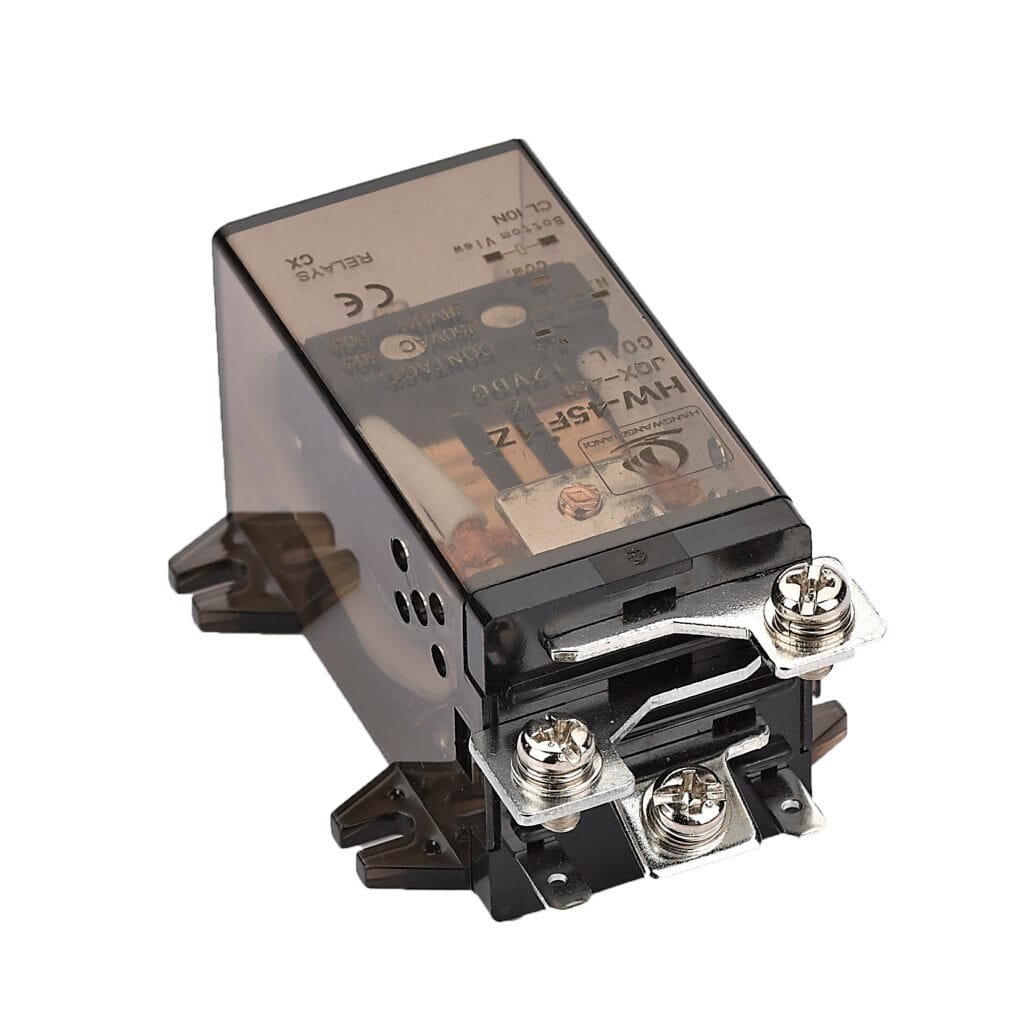
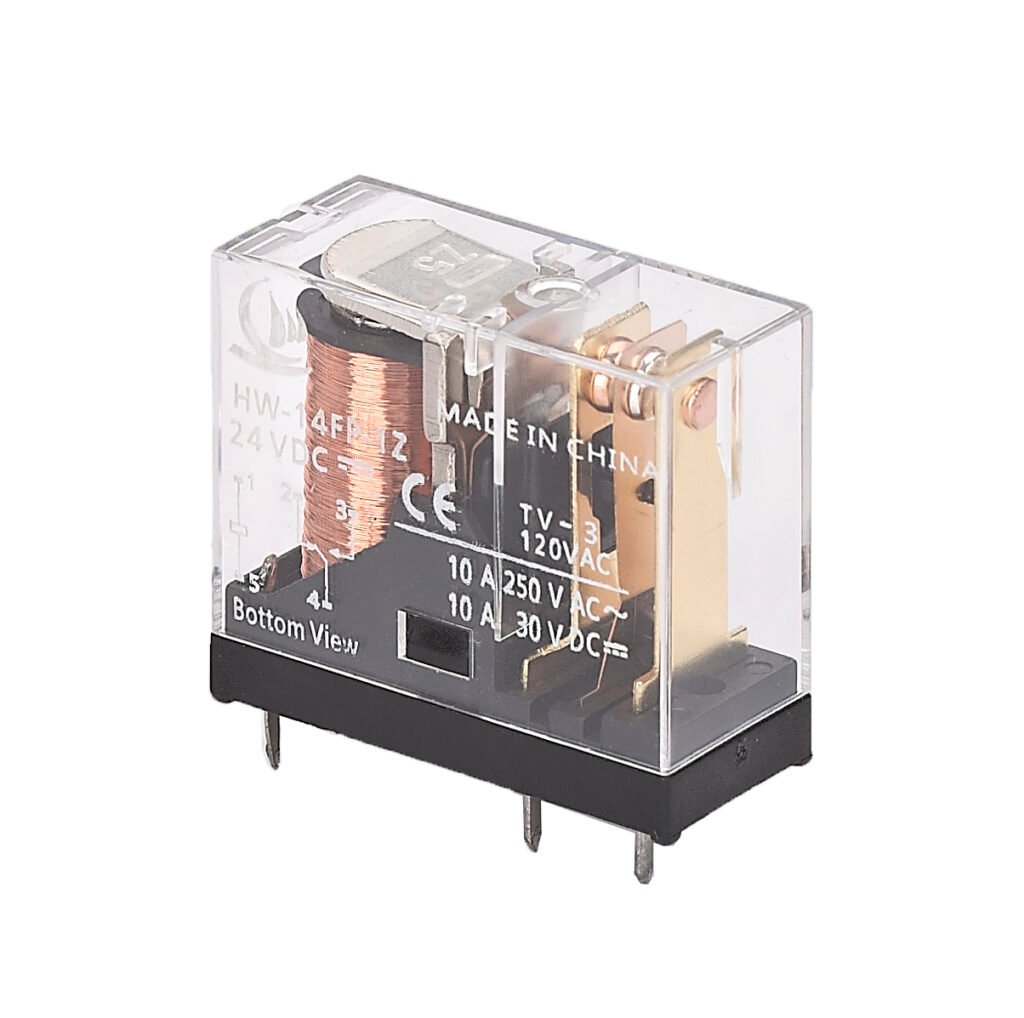
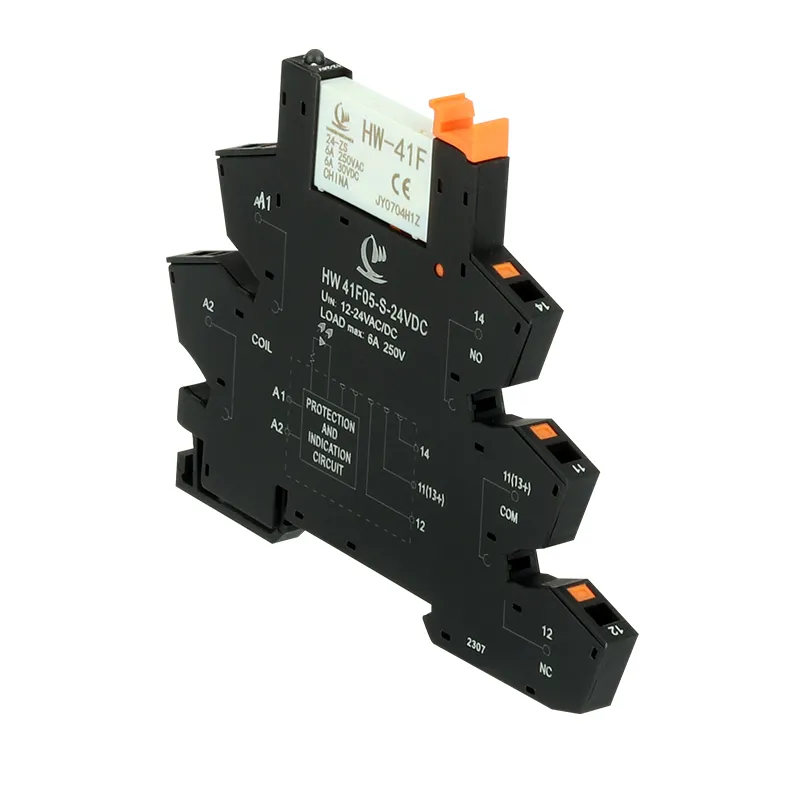
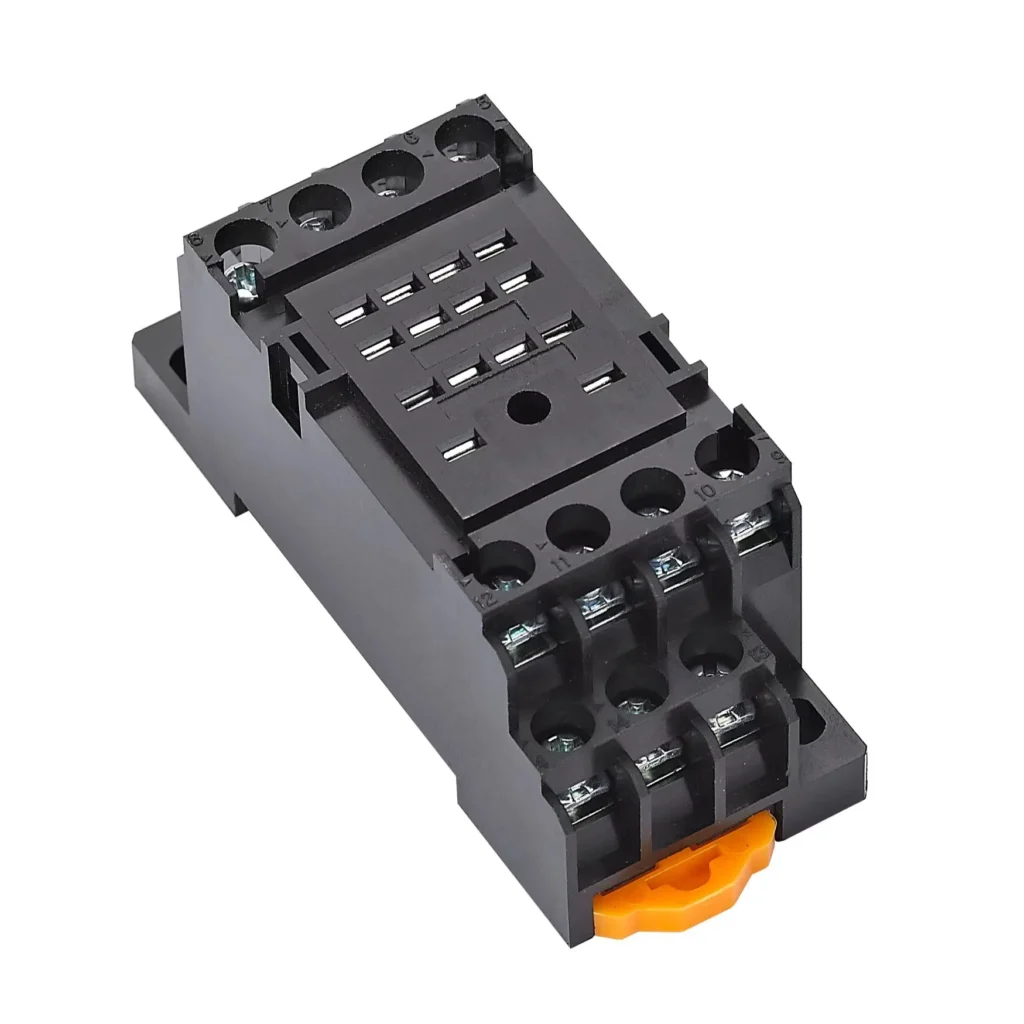
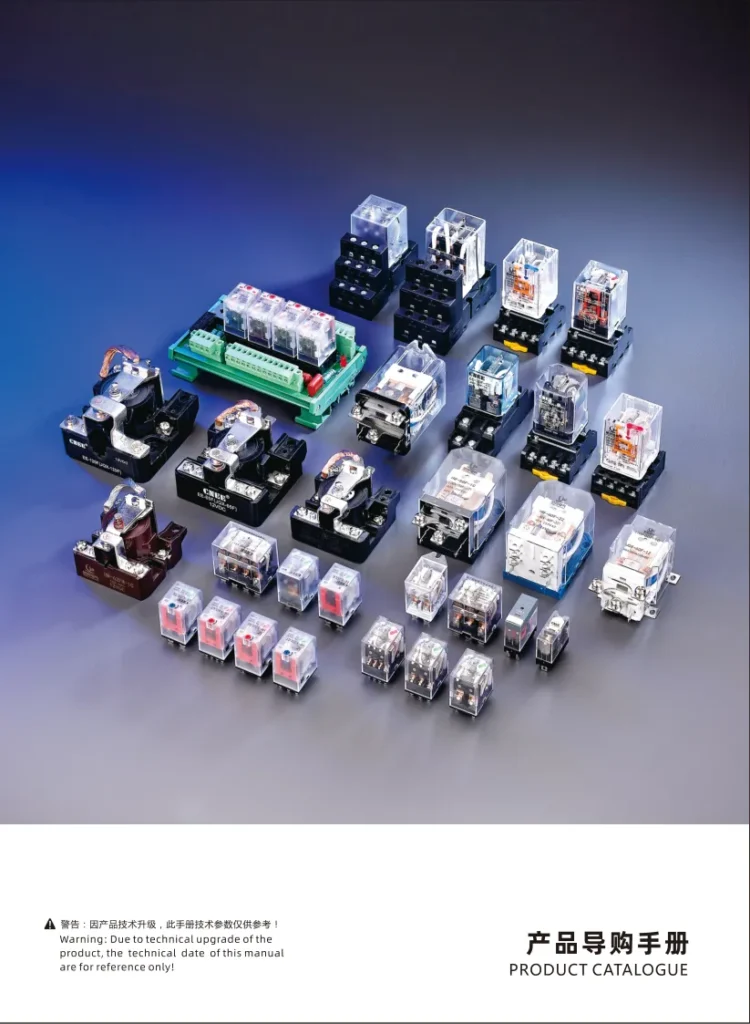
In the vast world of industrial automation, Industrial Relay play an indispensable role in controlling electrical circuits and ensuring smooth operations. If you’re involved in manufacturing, maintenance, or system design, you might have wondered: what exactly distinguishes an industrial control relay from a standard industrial relay?
These terms might seem interchangeable, but they embody important differences that impact performance, application, and reliability. This article dives deep into these differences to equip B2B customers and industrial professionals with the knowledge needed to choose the right relay for their needs.
What Is an Industrial Relay?
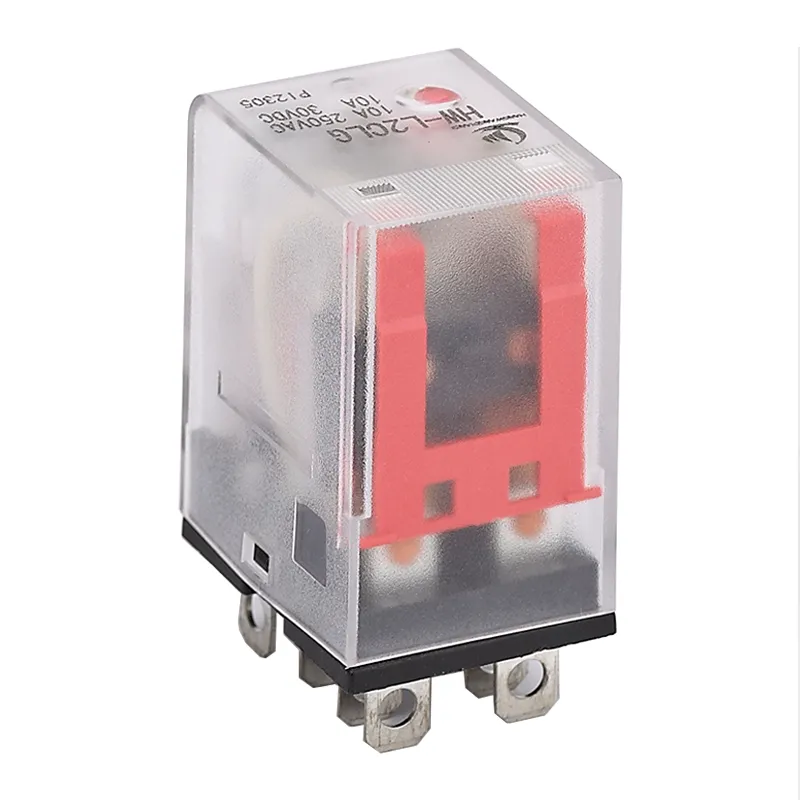
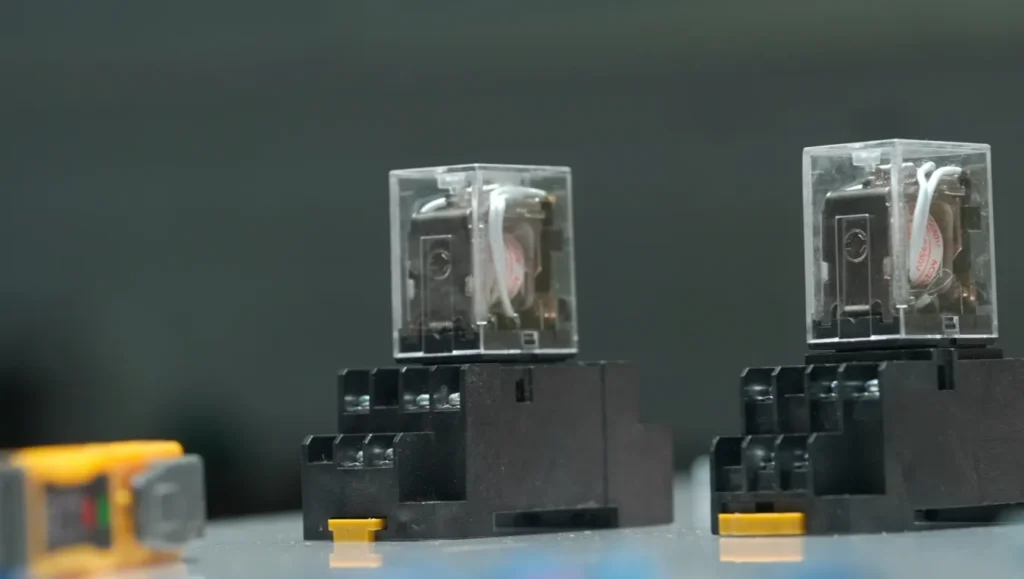
An industrial relay is an electromagnetic switch used to open or close electrical contacts, enabling the control of a high power circuit using a low power signal. The fundamental components include a coil, armature, and contact set. When the coil is energized, a magnetic field moves the armature, activating or deactivating the contacts.
Industrial relays can be broadly categorized into:
Relay Type
Description
Typical Applications
Electromechanical Relay
Uses mechanical moving parts to open or close contacts
General switching, motor starters
Solid State Relay
Uses semiconductor devices with no moving parts for switching
Fast switching, noise-sensitive areas
Overload Relay
Protects motors by detecting current overload and breaking the circuit
Motor protection
Industrial relays are favored for their reliable switching capabilities and simplicity. They serve in activating motors, controlling lighting, and other general power circuit control tasks. Keywords here include industrial relay types, electromechanical relay, and solid state relay.
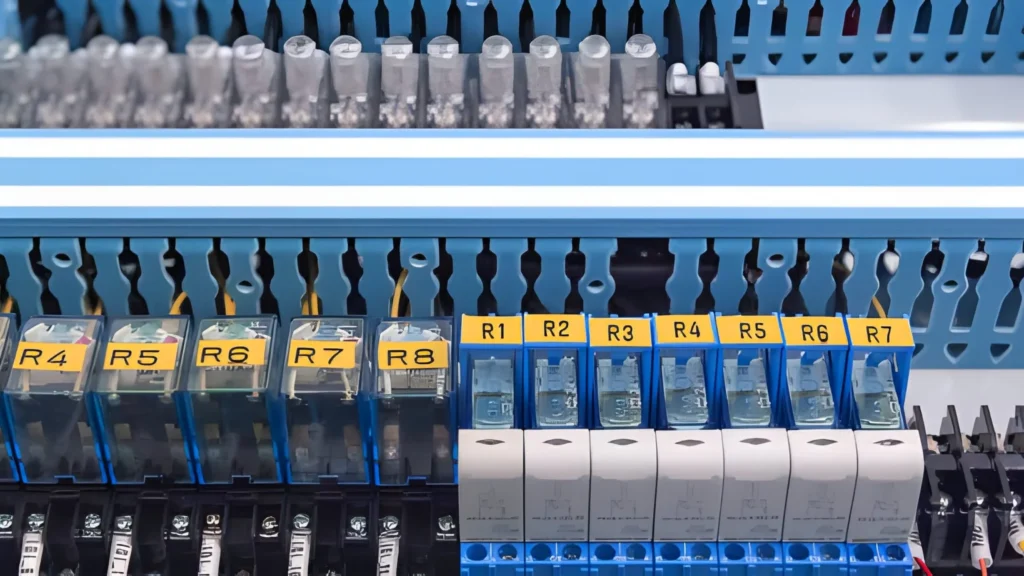
While industrial relays manage power circuits directly, industrial control relays serve more specialized control functions in automation. These relays amplify control signals or process logic, acting as intermediaries to manage and switch circuits indirectly. They’re designed to handle lower currents and provide precise control signals to larger devices.
Common types include:
Control Relay Type
Function
Application Example
Intermediate Relay
Signal amplification between control devices
Automation panel, PLC output expansion
Time Delay Relay
Delays switching action by a preset time
Sequential motor starters, lighting delay
Safety Relay
Ensures fail-safe operations with forced contacts
Emergency stop systems, machinery safety
Industrial control relays are essential for sophisticated control logic and safety functions, making them crucial in modern automated manufacturing. Keywords to focus on are industrial control relay functions, intermediate relay, and safety relay uses.
Core Differences Between Industrial and Industrial Control Relay
Understanding the key distinctions helps in selecting the right component:
Aspect
Industrial Relay
Industrial Control Relay
Primary Role
Directly switches power circuits
Controls and amplifies control signals
Contact Rating
Higher power load capacity
Lower current capacity for signal control
Operating Principle
Electromechanical or solid state switching
Signal processing and logic control
Applications
Motor control, lighting, load switching
Control panels, automation systems
Industrial relays HW-L2CLGT Relay generally support higher current switching, while industrial control relay handle low current control signals with enhanced safety and timing features.
Boost your industrial automation with the right industrial relay. Get in touch today for customized support and quality products.
Choosing the suitable relay depends on specific factors:
Load Current and Voltage: Match relay ratings with operational requirements to prevent failure.
Environment: Consider temperature, vibration, and exposure to contaminants.
Control Complexity: More complex automated systems may require control relays with timing and safety features.
Durability and Maintenance: Evaluate mechanical wear, lifespan, and ease of troubleshooting.
When selecting relays for automation or industrial control systems, consulting technical specifications and supplier expertise is crucial. Need advice? Contact our experts to guide you through relay selection for your project.
Future Trends in Industrial Control Relay
The relay industry is evolving with advances like digital control, smart relays, and energy-efficient designs. Upcoming features include:
Smart Relays: Integrate sensors and communication protocols for real-time data and remote control.
Digital Control Relays: Enhance precision and programmability in industrial processes.
Energy Efficiency: Designs minimizing power consumption and maximizing durability.
Staying updated with these trends ensures your systems remain reliable and competitive.
Industrial control relay and industrial relay, though related, serve distinct and critical roles in industrial electrical systems. Understanding their differences—from function and construction to applications and selection criteria—empowers professionals to optimize automation and control infrastructures effectively. Whether it’s direct power switching or intricate control logic, choosing the right relay enhances reliability, safety, and efficiency. Explore our product range or consult our technical team to find your perfect relay solution today.
FAQ
Which relay type is more widely used in industry?
Both have significant roles: industrial relays dominate high-power switching, while control relays are vital in automation and safety circuits.
How do electromechanical and solid state relays differ?
Electromechanical relays use physical contacts and are typically louder with mechanical wear. Solid state relays have no moving parts and provide faster, quieter switching.
What role do safety relays play?
Safety relays ensure machines shut down safely during emergencies by employing forced guided contacts and redundant safety mechanisms.
How can I judge if a relay fits my industrial control system?
Match relay specs—voltage, current, switching time—to your system needs; consult datasheets and application guides.
How does relay lifespan affect industrial operations?
Longer relay life reduces downtime and maintenance costs; consider solid state options for longer durability though at higher initial cost.
What maintenance does an industrial relay require?
Regular inspection for contact wear, cleaning terminals, and testing coil resistance ensure stable performance.
When you search for “Power Relay 30A”, you’re usually not looking for a textbook definition—you want to know: can this relay actually carry my load, how do I wire it without tripping breakers, and which coil voltage I should pick so my panel guy doesn’t complain. The HW‑30F‑2Z sits exactly in that “real industrial 30A […]
Function of electromagnetic relay Electromagnetic relay is a commonly used control element, which plays the role of automatic switch in the circuit. Its main functions are: isolating the control circuit and the controlled circuit, controlling the large current with a small current, playing the role of amplification; realizing remote control and expanding the control range; […]
Solid state relays (SSRs) are crucial components in switching circuits, but they can encounter issues. This guide will help you understand, identify, and resolve common SSR problems, ensuring your equipment operates smoothly. What is a Solid state relays and How it Works? Solid state relays are electronic switches that use semiconductors to control circuits based […]
We use cookies to enhance your browsing experience, serve personalised ads or content, and analyse our traffic. By clicking "Accept All", you consent to our use of cookies.
Get a Free Quote
Your email information is completely secure and will not be disclosed to third parties for any reason.
Interested In Our Relay Products?
Get the latest product brochures and technical data.