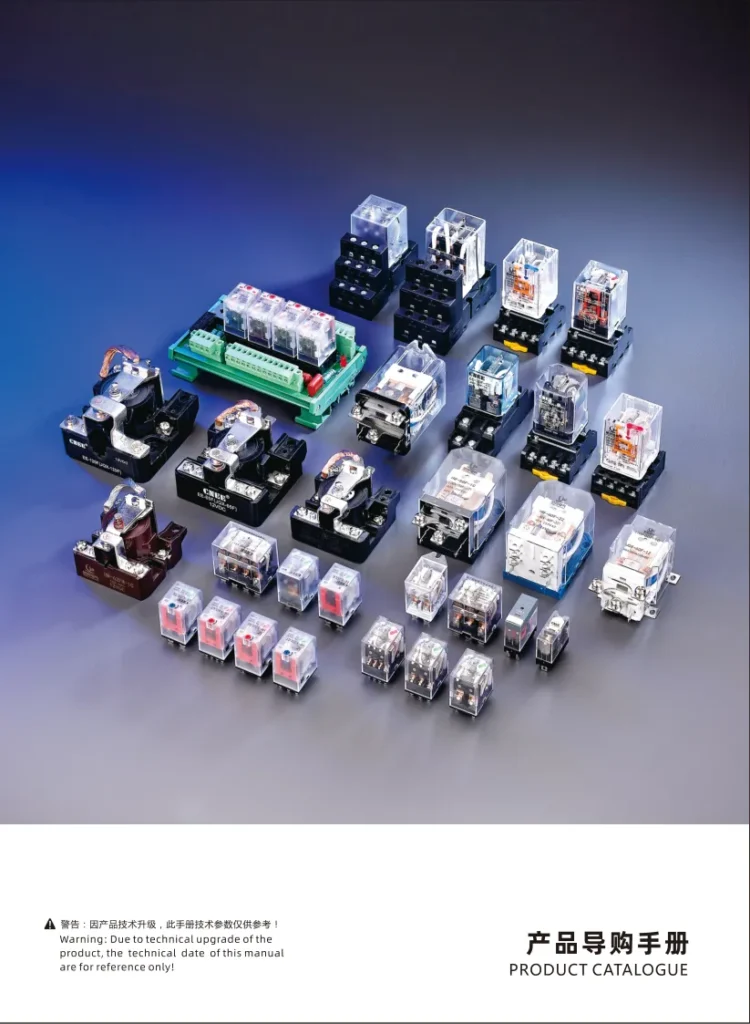
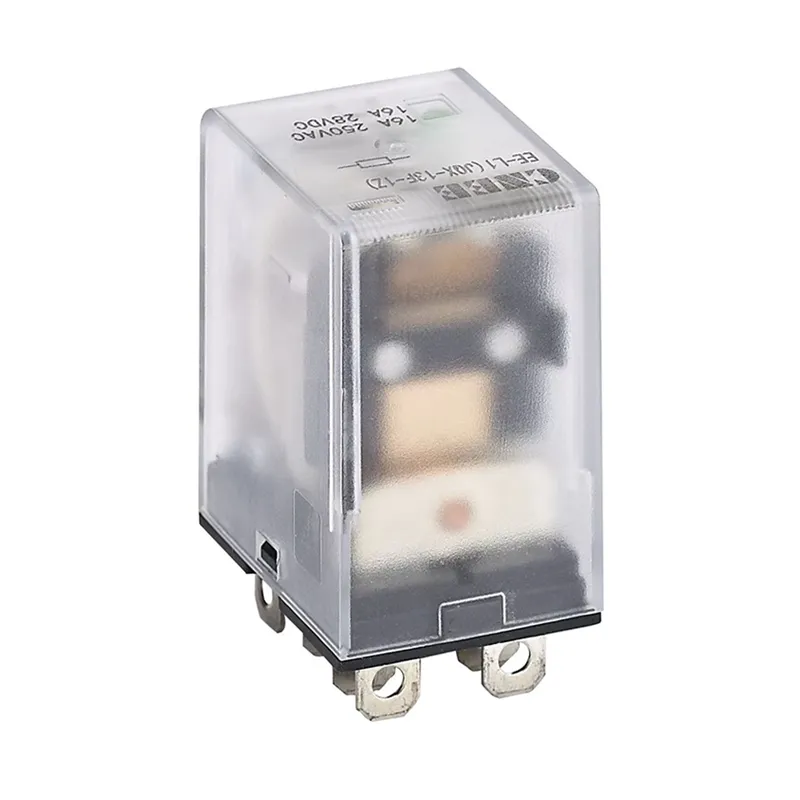
Electromagnetic relays are automatic control devices that work on the principle of electromagnetic induction and are widely used in switching, protecting and isolating control circuits. They have the characteristics of simple structure, reliable operation, strong adaptability, and can operate stably in harsh working environments. Electromagnetic relays are usually used in the control systems of electromechanical equipment to ensure the safety and stability of the equipment.
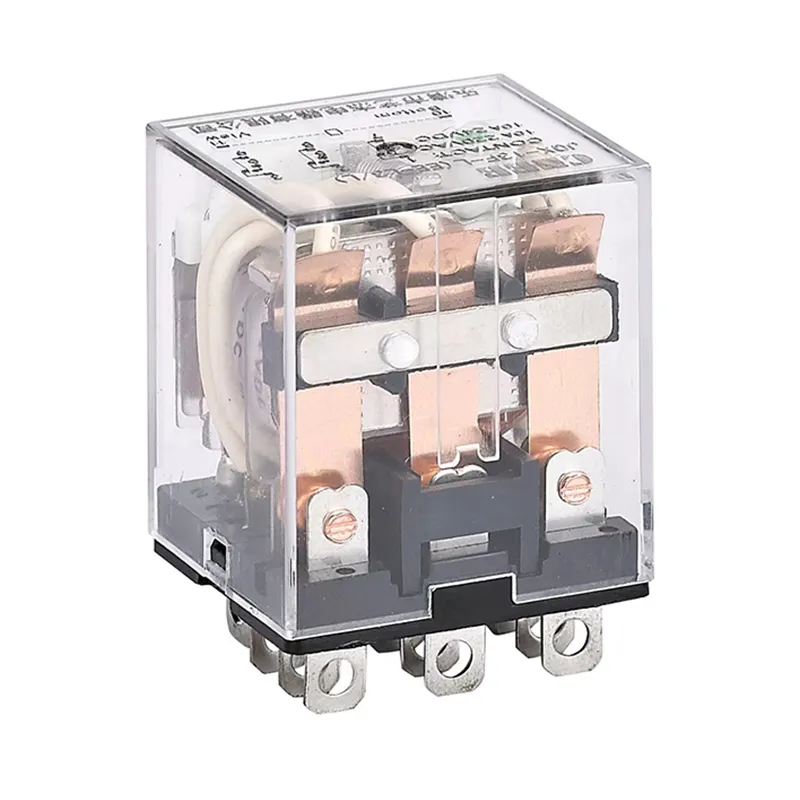
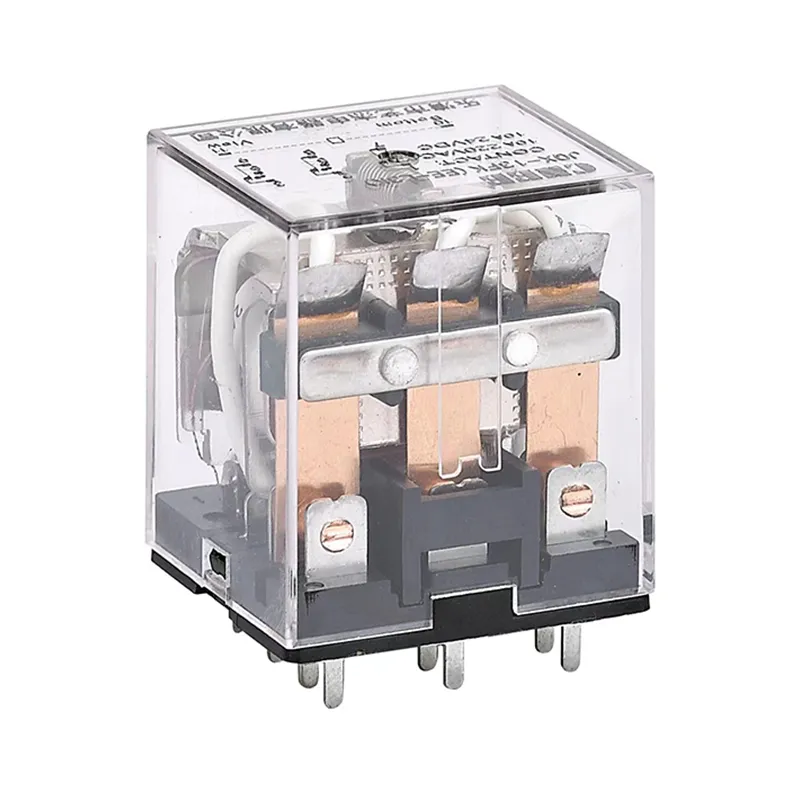
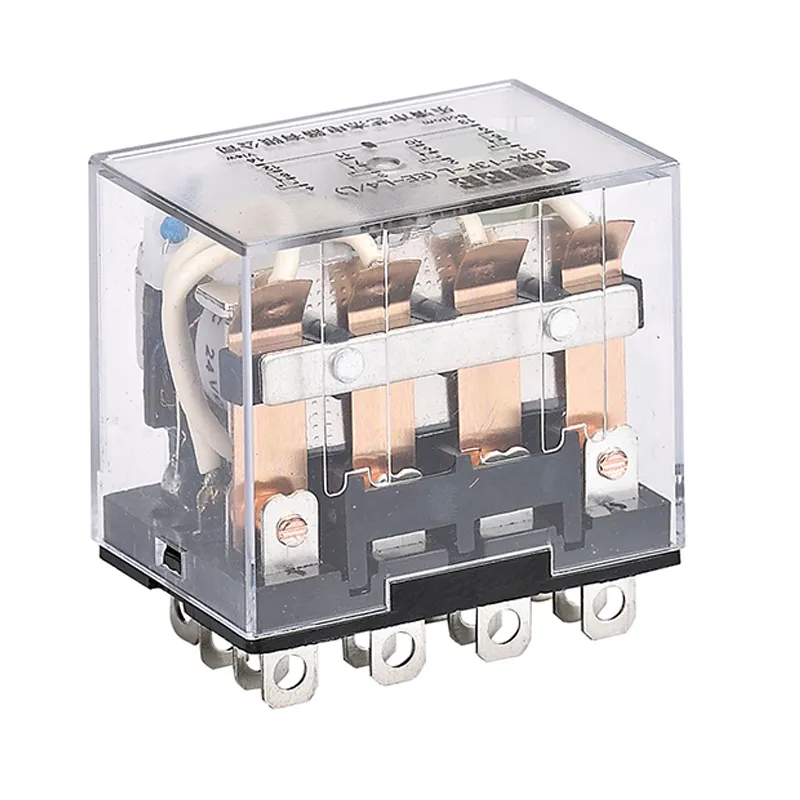
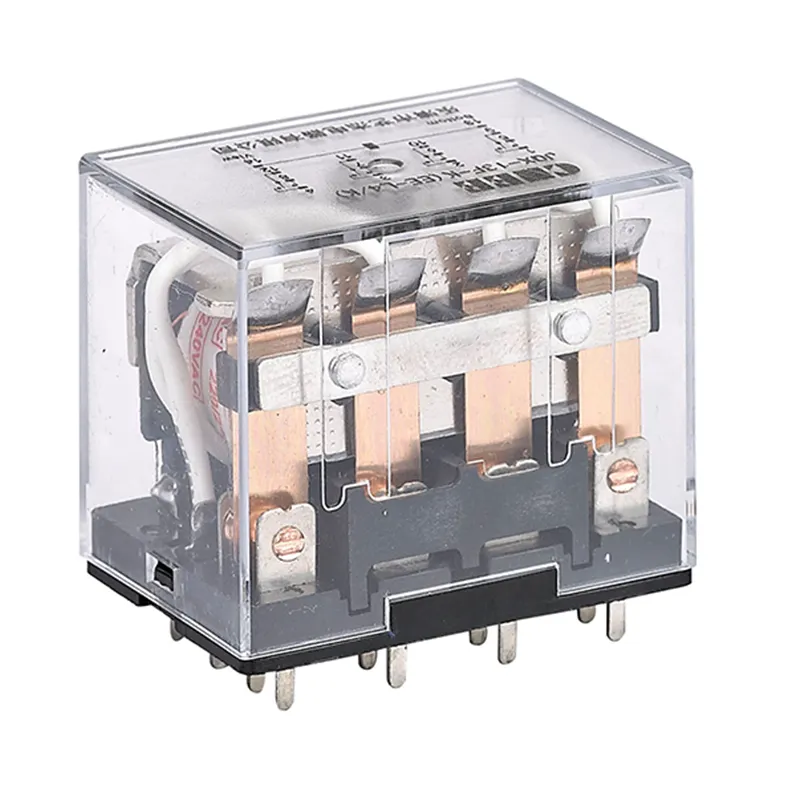

Construction of Electromagnetic Relay
An electromagnetic relay is mainly made up of three key parts:
Electromagnetic Coil
This coil consists of wire wound around a core made of ferromagnetic material. When current flows through the coil, it becomes energized and creates a strong magnetic field. The coil connects to a low-power circuit or power source.
Movable Armature
The armature is the relay’s moving metal part that connects the two contacts. It helps to open or close the circuit by moving toward the energized coil. When the coil is off, a spring pulls the armature back to its starting position.
Contacts
Contacts control the connection in a high-power circuit. They are made from materials like silver, tungsten, or palladium, which conduct well and resist heat and sparking. There are two types of contacts: normally closed (NC) and normally open (NO).
NC contacts stay closed when the coil is off.
NO contacts stay open when the coil is off.
The armature moves the connection between NC and NO depending on whether the coil is energized or not.

Working of Electromagnetic Relay
When an electromagnetic relay operates, its contacts start in either an open or closed state, depending on the relay type. When voltage is applied to the coil, it generates a magnetic field that attracts the armature.
This movement changes the contacts’ position—open contacts close, and closed contacts open. When the voltage is removed, a spring moves the armature back, returning the contacts to their original state.
Uses of Electromagnetic Relay
Electromagnetic relays play a crucial role in many electrical and electronic systems. They help control and manage electrical signals in various applications. Some common uses include:
- Control Circuits:Electromagnetic relays are used to control outputs based on input signals. For example, they regulate the current to start or stop a motor. This precise control is essential in industrial automation and process management.
- Protection Circuits:These relays protect electrical equipment by interrupting power during overloads or faults. This helps prevent damage and improves the safety and reliability of electrical systems.
- Amplification:Relays can boost electrical signals, which is especially useful in radio and communication systems. They switch connections between antennas or transmitters to maintain strong and stable signals.
- Timing:Electromagnetic relays are also used in timing circuits to turn devices on or off at set intervals. This is useful for applications like controlling streetlights, traffic signals, and other timed electrical operations.
Types of Electromagnetic Relay
Electromagnetic relays come in different types depending on their functions in circuits. They are mainly divided into two categories:
Electromagnetic Induction Type Relay
This relay works through electromagnetic induction and is commonly used for protection in AC power systems. It consists of an electromagnet, a moving conductor (disc or rotor), and contacts. When AC flows through the coil, it creates a magnetic field that induces a current in the moving conductor.
This current produces a rotary force that moves the conductor, changing the contact position to either make or break the circuit. These relays are suitable for overcurrent, directional, and differential protection in power systems.
Electromagnetic Attraction Relay
This relay operates by electromagnetic attraction. It has an electromagnet, armature, spring, and contacts. When current flows through the coil, a magnetic field forms, attracting the armature. This moves the contacts to open or close the circuit. Once the current stops, the spring returns the armature to its original position.
These relays are widely used in switching, protection, and control in industrial and commercial power systems due to their reliable operation and ability to handle high power.