Modern vehicles rely on intricate electronics to maintain safety, efficiency, and smooth operation. At the core of this complexity lies the Powertrain Control Module Relay, which takes charge of every crucial engine and transmission function. But there’s a key—often invisible—component providing essential support: the powertrain control module relay. Without it, the PCM cannot function reliably.
So, what exactly is a powertrain control module relay? Why is this device so important, and what problems arise when it fails? This comprehensive guide explores the definition, operation, and troubleshooting of the powertrain control module relay, offering step-by-step advice for drivers and technicians.
What is a Powertrain Control Module Relay?
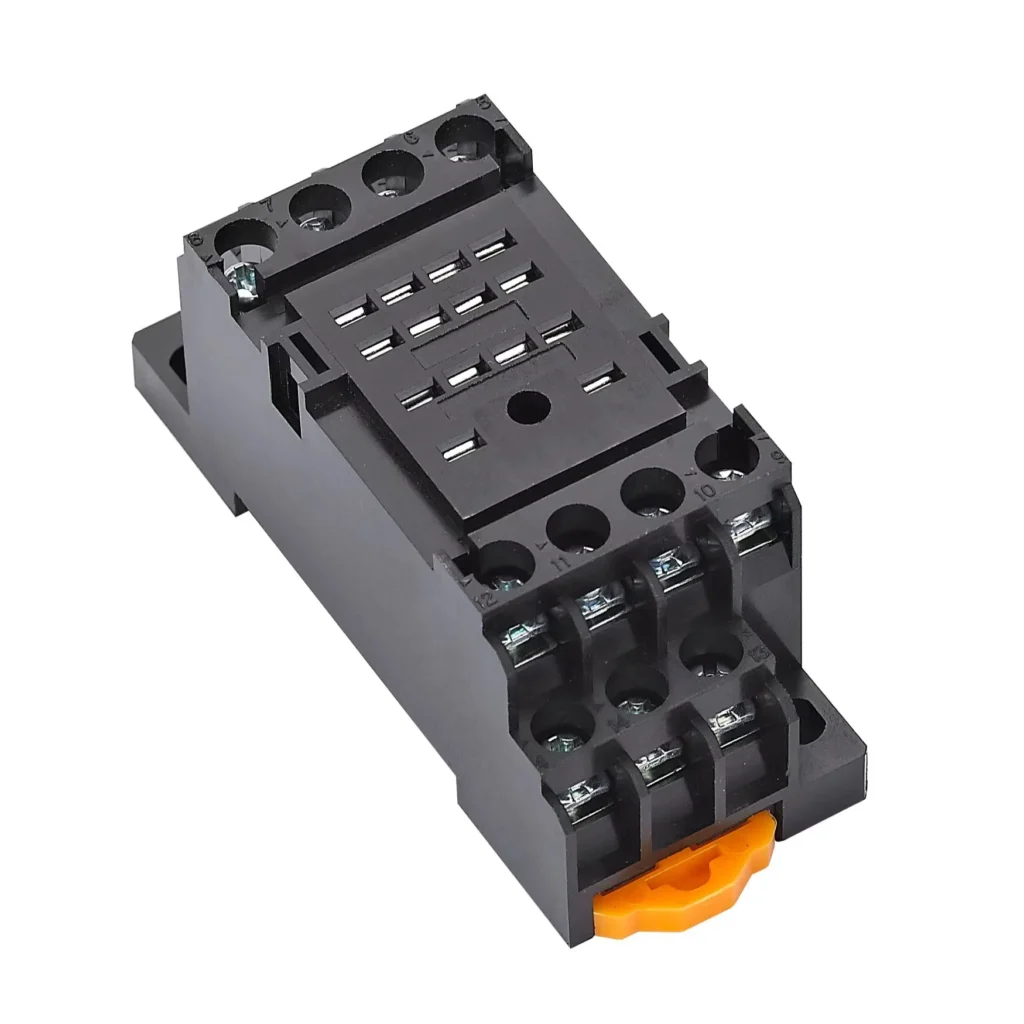
A powertrain control module relay is essentially an electrical switch. Unlike manual switches, this relay operates automatically, managing the power that reaches the PCM. It decides when the PCM receives voltage from the battery and alternator, and when it doesn’t. This control ensures the module only operates under the right conditions, preventing electrical issues or erratic engine behavior.
The relay is typically located in the fuse box or a relay panel within the engine bay. It stands among other relays and fuses but serves a unique role dedicated to the PCM.
Key points:
The powertrain control module relay controls the power flow to the PCM.
It is usually found in the vehicle’s fuse box or relay section for easy access.
This small device is vital for stable engine management and electronic control.
At its core, a powertrain control module relay uses an electromagnet and a set of contacts. When the ignition is turned on, a small electrical current energizes the coil inside the relay. This generates a magnetic field, pulling the internal switch into the right position and allowing a larger current to flow to the PCM. The relay isolates the sensitive electronics of the PCM from the high-powered engine circuit, protecting vital components and ensuring reliable function.
Functions include:
Power Regulation: Provides consistent, filtered power to the PCM so the system operates without interruption.
System Control: Engages or disengages the PCM based on signals from the ignition, ensuring the module only draws power when needed.
Protection: Shields the PCM from unexpected voltage swings, spikes, or short circuits.
In this sense, the relay acts as a bridge that connects and disconnects two circuits, enabling low-voltage controls to operate high-voltage or high-current systems.
Importance of the Powertrain Control Module Relay
Without the powertrain control module relay, the PCM would be exposed directly to the vehicle’s electric system, making it vulnerable to electrical faults. The relay not only allows the PCM to function during the ignition cycle but also protects it from damage caused by voltage irregularities. Additionally, it conserves battery life by ensuring the PCM is powered only when the engine requires its oversight.
Engines are now highly dependent on microprocessors to maintain optimal air-fuel mixtures, control emissions, and adapt to changing driving conditions. The relay’s ability to provide reliable power underpins all these functions, making it foundational for modern vehicle performance.
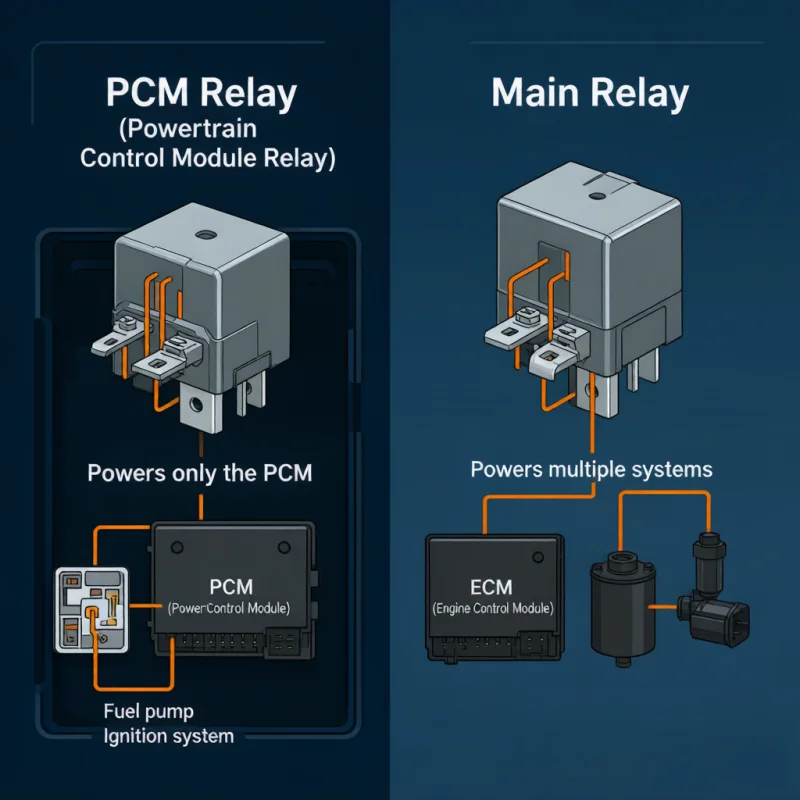
Difference Powertrain Control Module Relay vs. Main Relay
It easy to confuse the powertrain control module relay with the main relay, but they serve distinct purposes:
Relay Type
Primary Job
Location
Controls
Powertrain Control Module Relay
Supplies power solely to the PCM
Fuse box or relay panel
Ensures PCM receives stable voltage
Main Relay
Feeds multiple critical systems
Often in the same area
Distributes power to fuel pump, ignition, ECM
Signs of a Bad Powertrain Control Module Relay
Relays can wear out from years of use, heat, and vibration. When the powertrain control module relay starts to fail, several symptoms can warn drivers or technicians:
Engine Stalls or Won’t Start: With no power to the PCM, the engine can’t operate.
Erratic Engine Performance: Unstable voltage causes the PCM to mismanage engine controls.
Intermittent Electrical Issues: Accessories dependent on the PCM may behave unpredictably.
Diagnostic Trouble Codes: A malfunctioning relay may trigger error codes related to power supply faults.
These problems may initially seem unrelated, highlighting the importance of considering the relay when facing unusual electronic or engine behaviors.
Why Is a Stable Power Supply to the PCM Crucial?
A PCM that receives clean, steady power is able to precisely control fuel injection, timing, emissions, and transmission shifts. Even minor electrical disturbances can disrupt these calculations, leading to rough idling, poor acceleration, or excessive emissions. Vehicle safety and efficiency are both directly connected to a properly functioning powertrain control module relay.
The powertrain control module relay is a critical—yet often overlooked—part of modern automotive systems. By delivering consistent power to the PCM, it supports everything from smooth starts to optimal fuel efficiency. Failure of this inexpensive part can cause wide-ranging engine issues, electrical malfunctions, and diagnostic challenges.
Recognizing symptoms of a weak relay, understanding its function, and knowing how to replace one can save time, money, and frustration. If you are unsure about replacing the powertrain control module relay yourself, qualified shops and electronic specialists like Electronics can ensure safe, professional repairs.
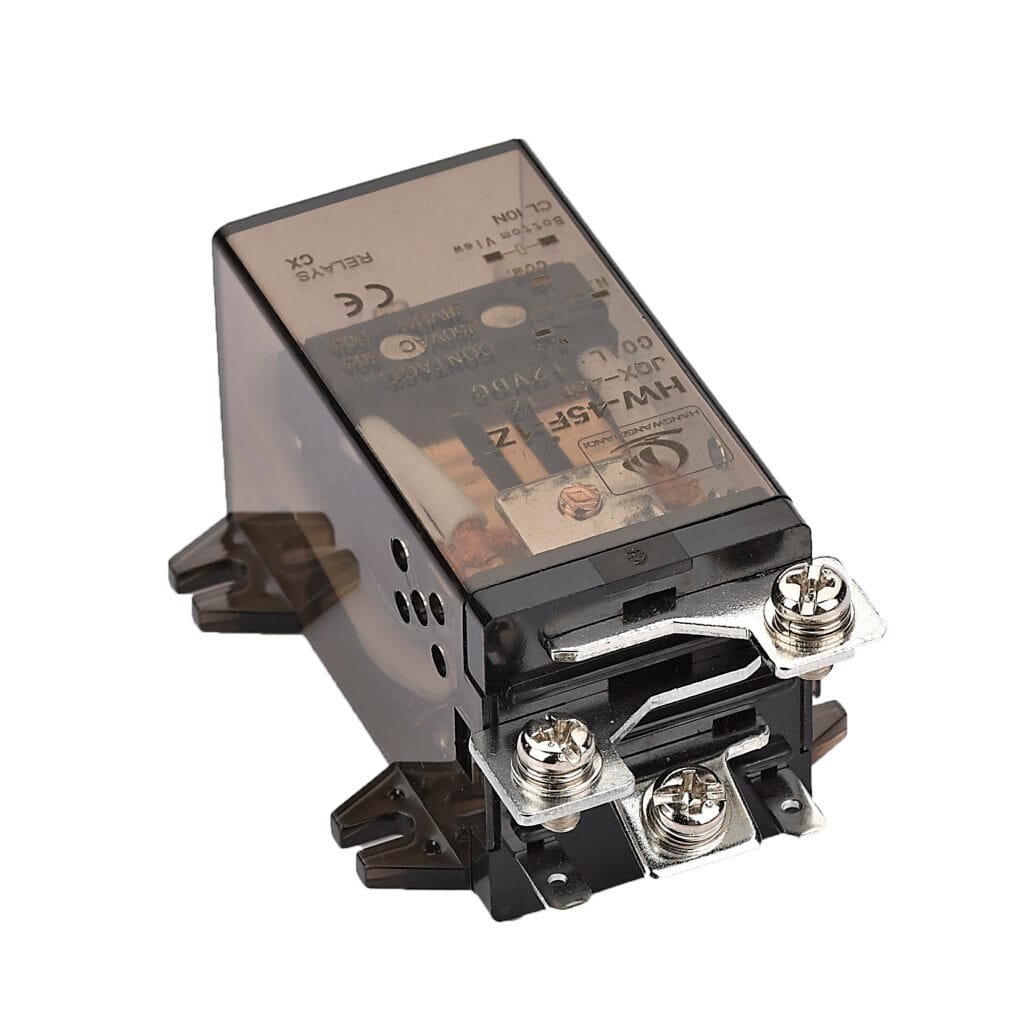
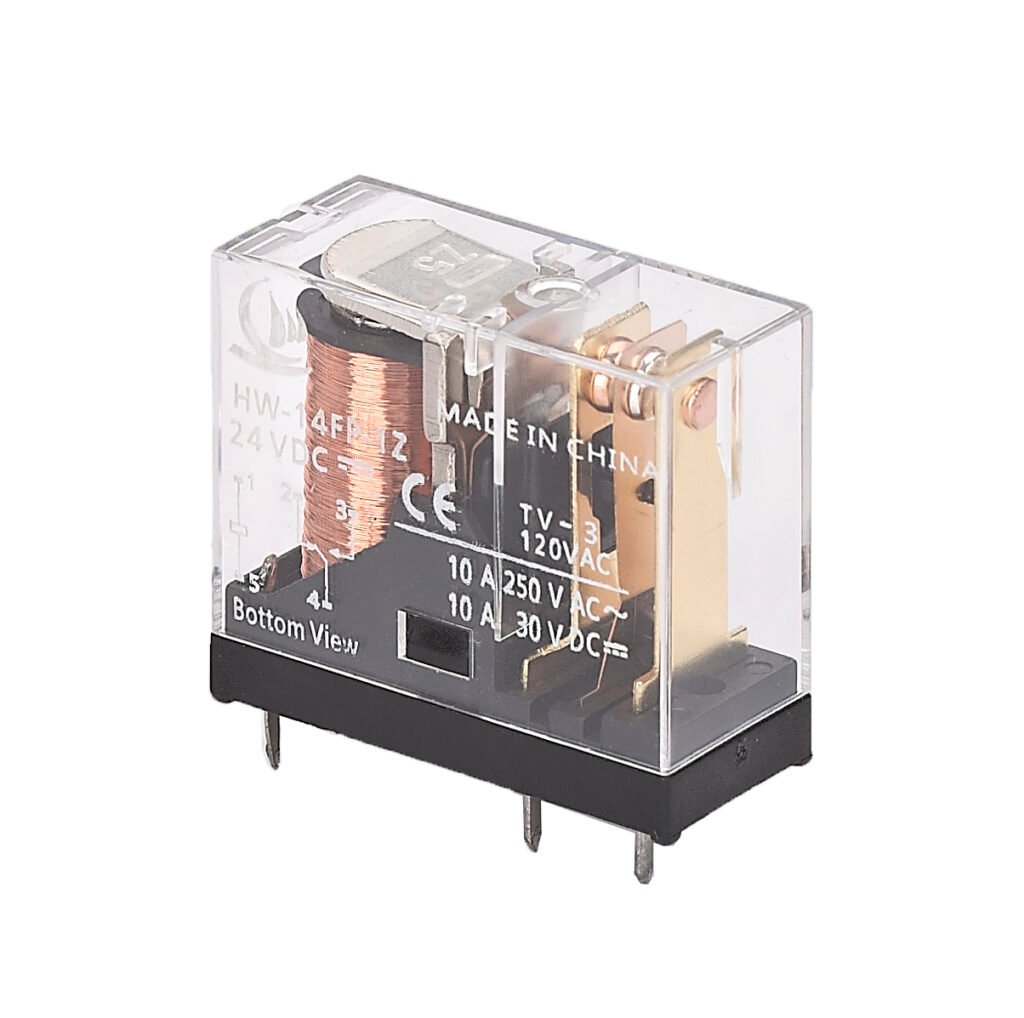
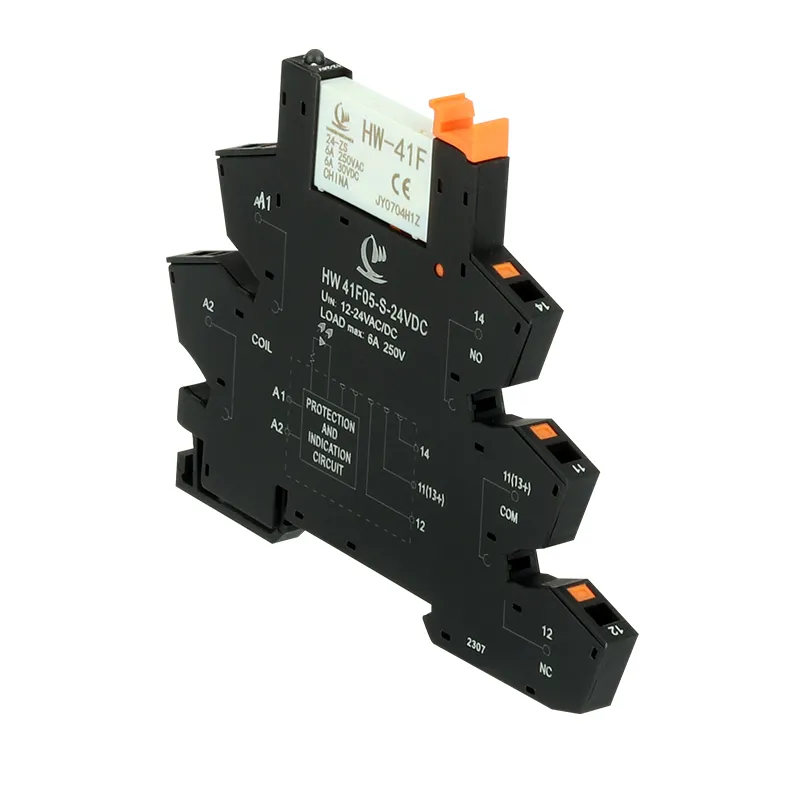
Looking for a reliable PCM relay supplier? HWRELAY provides high-quality relay products, technical specifications, and OEM/ODM solutions to overseas markets. Contact us for bulk pricing.
Power relay switch is the “muscle” of an electrical control system, turning heavy loads on and off safely while your PLC, controller, or IoT module only handles tiny signals. For B2B buyers in industrial automation, HVAC, new energy, telecom, or power distribution, understanding how a power relay switch works, what components matter, and how it […]
In the fast-moving world of industrial automation, reverse power relay are small but crucial components that safeguard generators and parallel power systems. If you’re an engineer, electrical system designer, or purchasing manager, understanding how this device works—and how to select the right one—can help you prevent expensive downtime, hazardous faults, and unnecessary wear on your equipment. Let’s explore what makes […]
An automotive electromagnetic relay is an electromechanical switch that uses electromagnetic induction to control electrical circuits. At its core, a relay consists of several key components: a coil, an iron core, an armature (or lever), and contacts. When an electric current flows through the coil, it generates a magnetic field that attracts the armature, causing […]
We use cookies to enhance your browsing experience, serve personalised ads or content, and analyse our traffic. By clicking "Accept All", you consent to our use of cookies.
Get a Free Quote
Your email information is completely secure and will not be disclosed to third parties for any reason.
Interested In Our Relay Products?
Get the latest product brochures and technical data.